Jekyll2024-06-04T05:07:29+01:00https://gosha.net/projects/feed.xmlGosha Tcherednitchenko | ProjectsPhotography, design, writing, and software projects by Gosha TcherednitchenkoGosha TcherednitchenkoASTROVOX2024-01-09T00:00:00+00:002024-01-09T00:00:00+00:00https://gosha.net/projects/astrovoxASTROVOX is an experimental software project aimed at playing with sound
generation.
The original goal was to write an approximate software emulation of the Roland
Juno-60 synthesizer (as used by
two of my favourite musicians, Olafur Arnalds and Nils Frahm), but as the
project progressed, it took on a life of its own and became much more open
ended.
ASTROVOX is written in C, and aims at being as simple as possible, with a
minimum number of dependencies.
This project is a “play project”: sound generation is a brand new domain to me,
I’ve last worked with C in uni in 2005, so I have no hopes of a “good enough”
outcome — only of exploring and enjoying the process.
Roadmap
The following features are planned for a first release:
Sine, square, saw, pulse waveform generators
ADSR envelope
Low- and high-pass filter
Chorus functionality
Modulation, LFOs
Multiple voices
Modular design allowing for custom signal processing chains
Scripting
Download
ASTROVOX is currently in development, and no official release is available yet.
The source code is available on GitHub.
Bug reports and pull requests are very welcome, and can be submitted via the
GitHub repository.
]]>Gosha TcherednitchenkoWhere The Story Begins2020-01-01T00:00:00+00:002020-01-01T00:00:00+00:00https://gosha.net/projects/where-the-story-begins
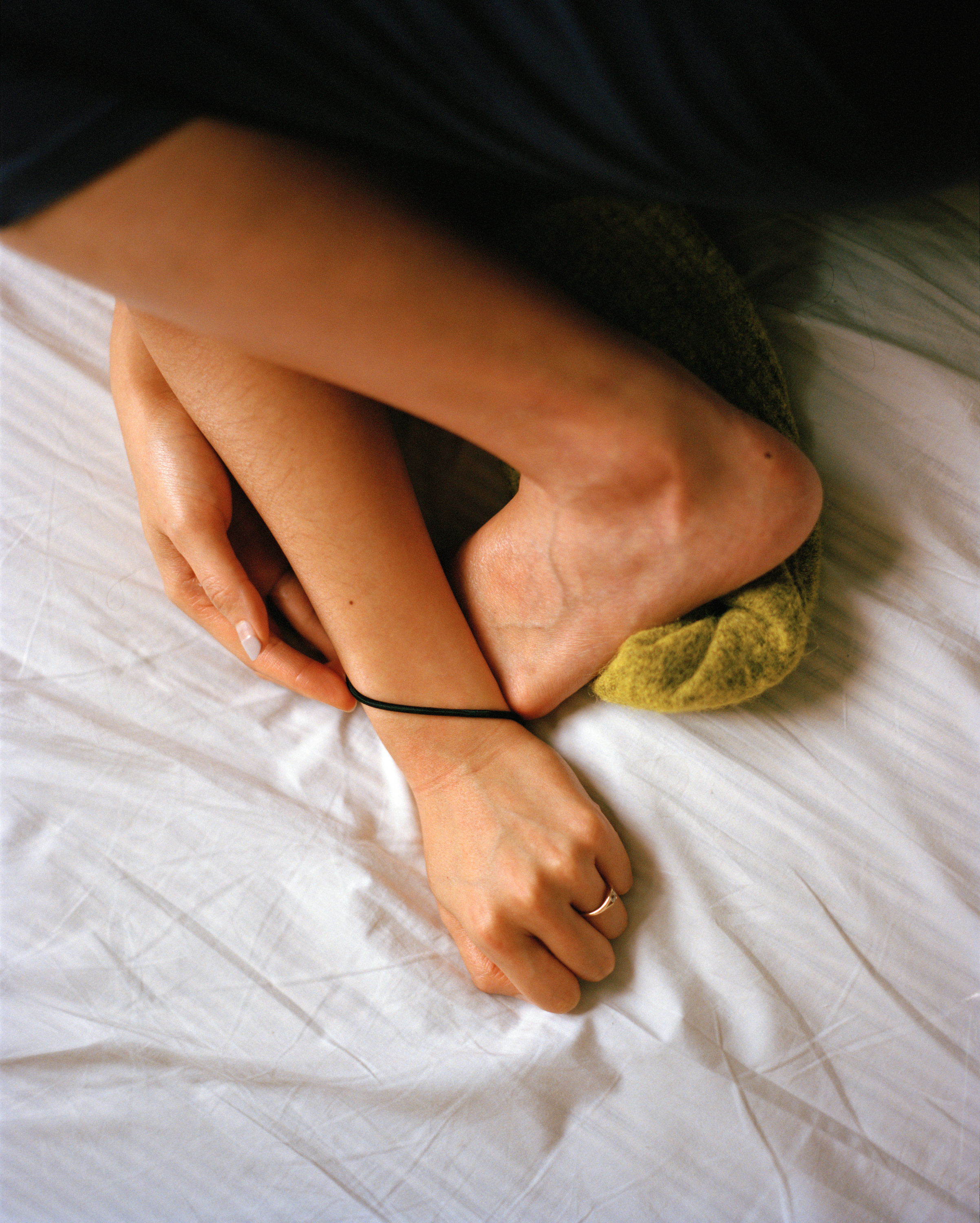
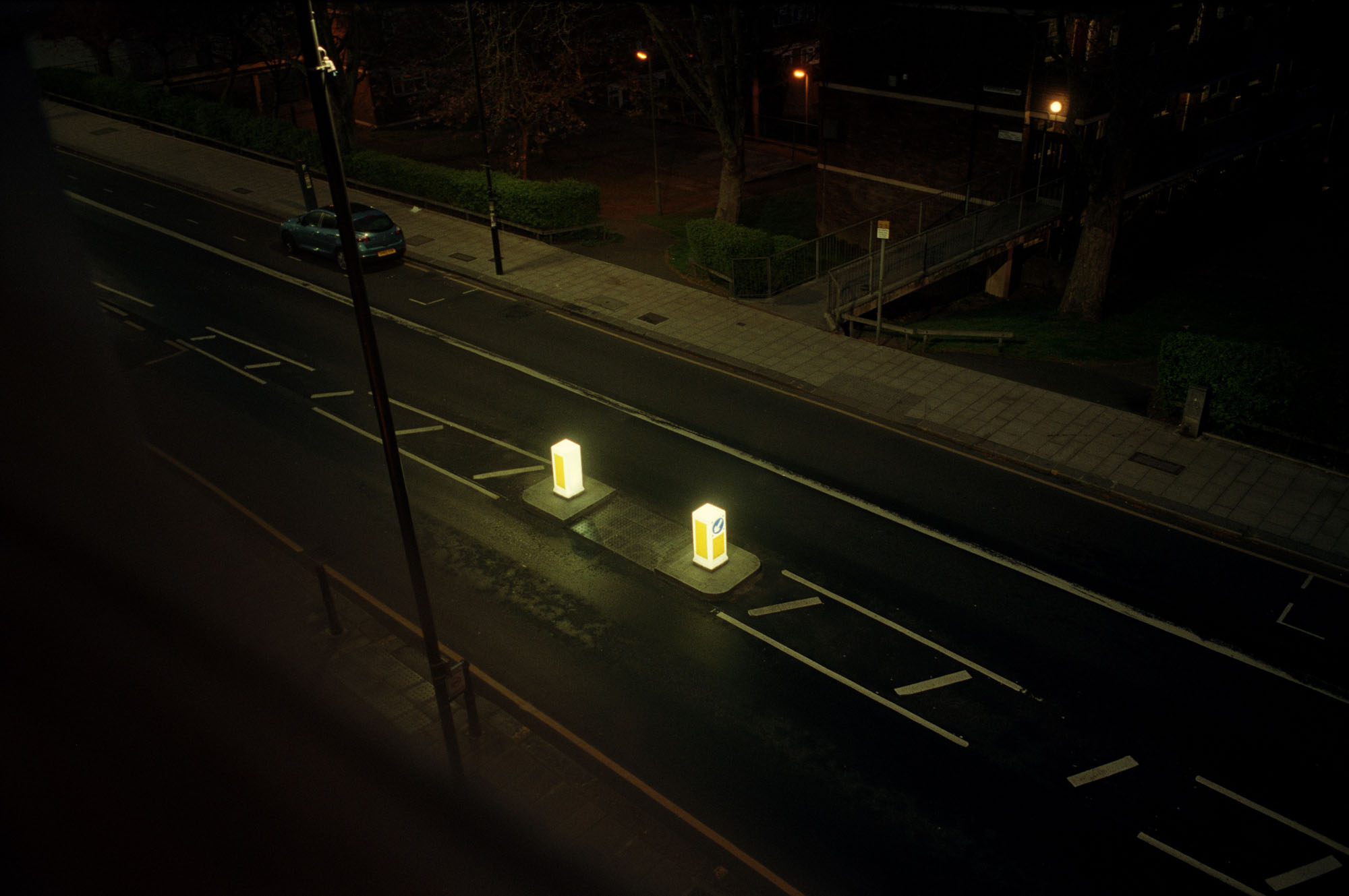
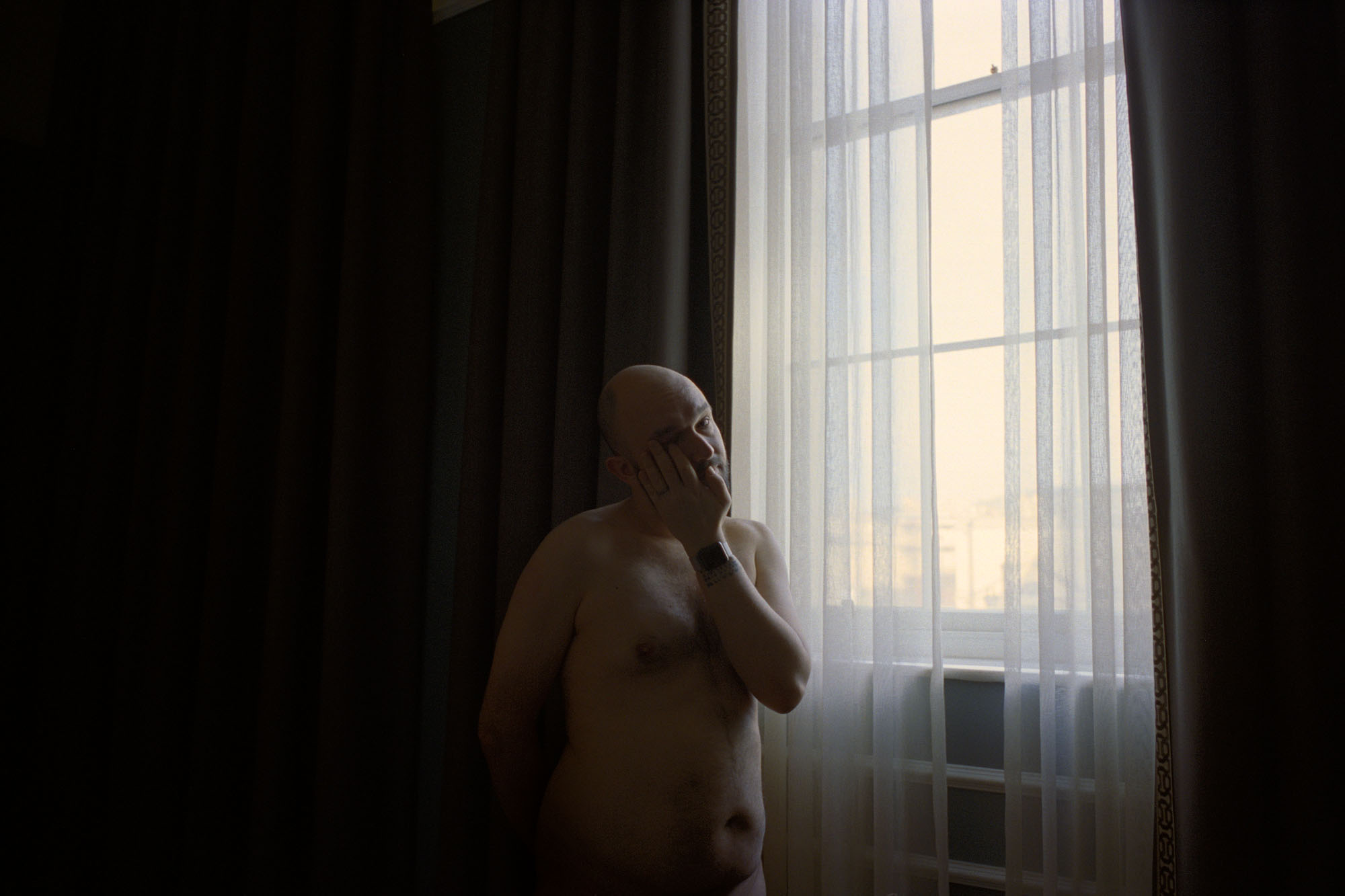
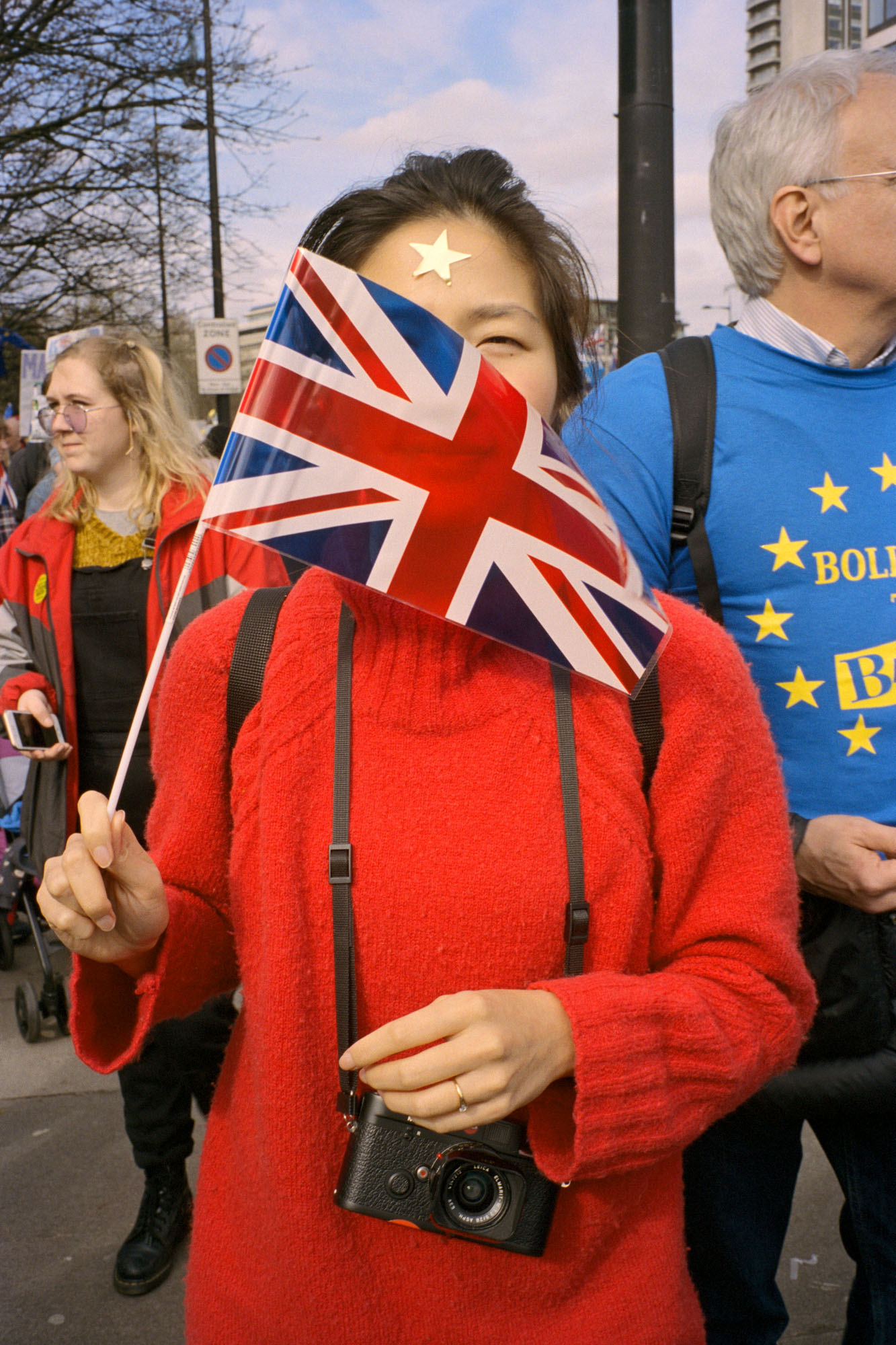
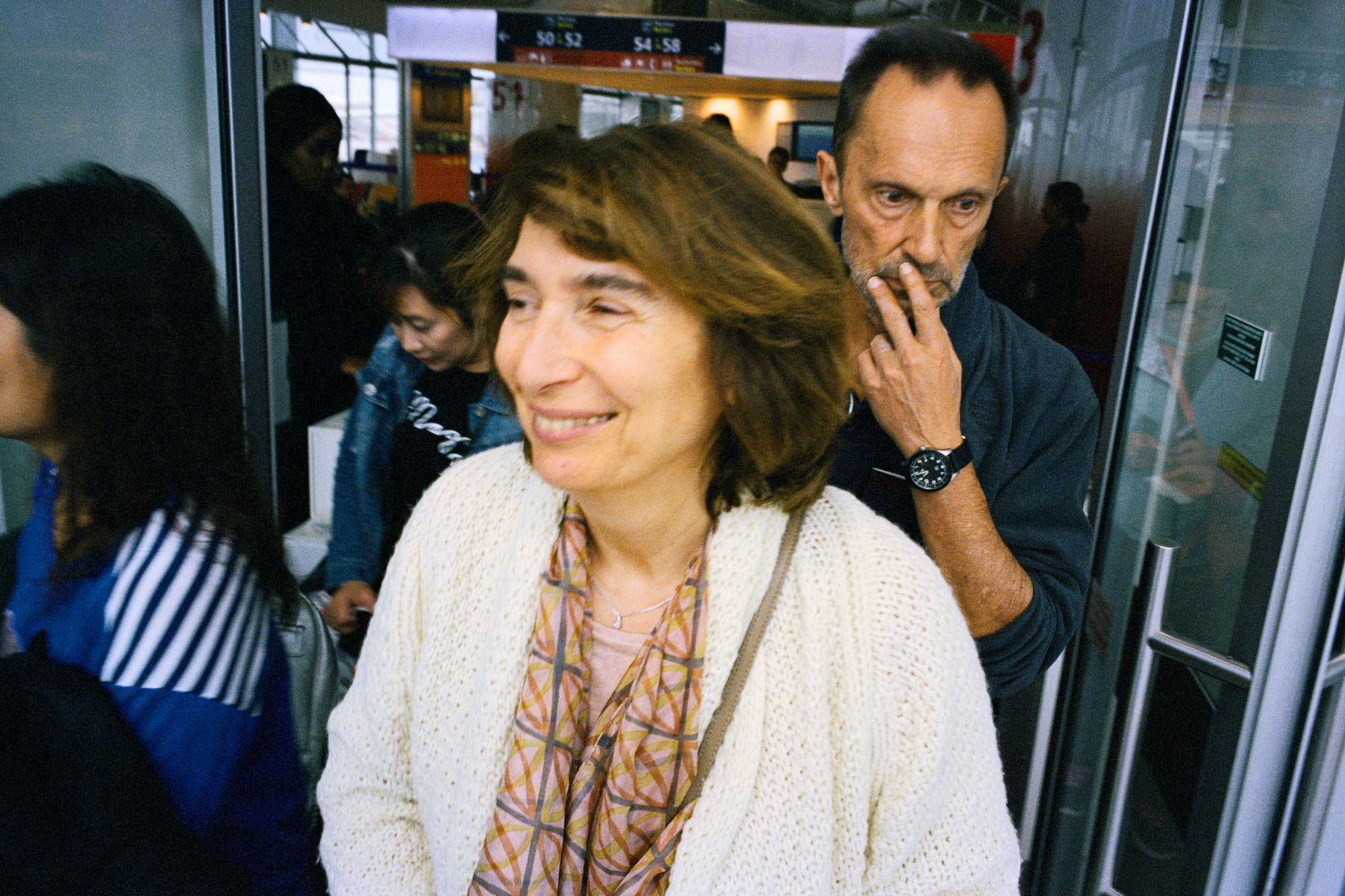
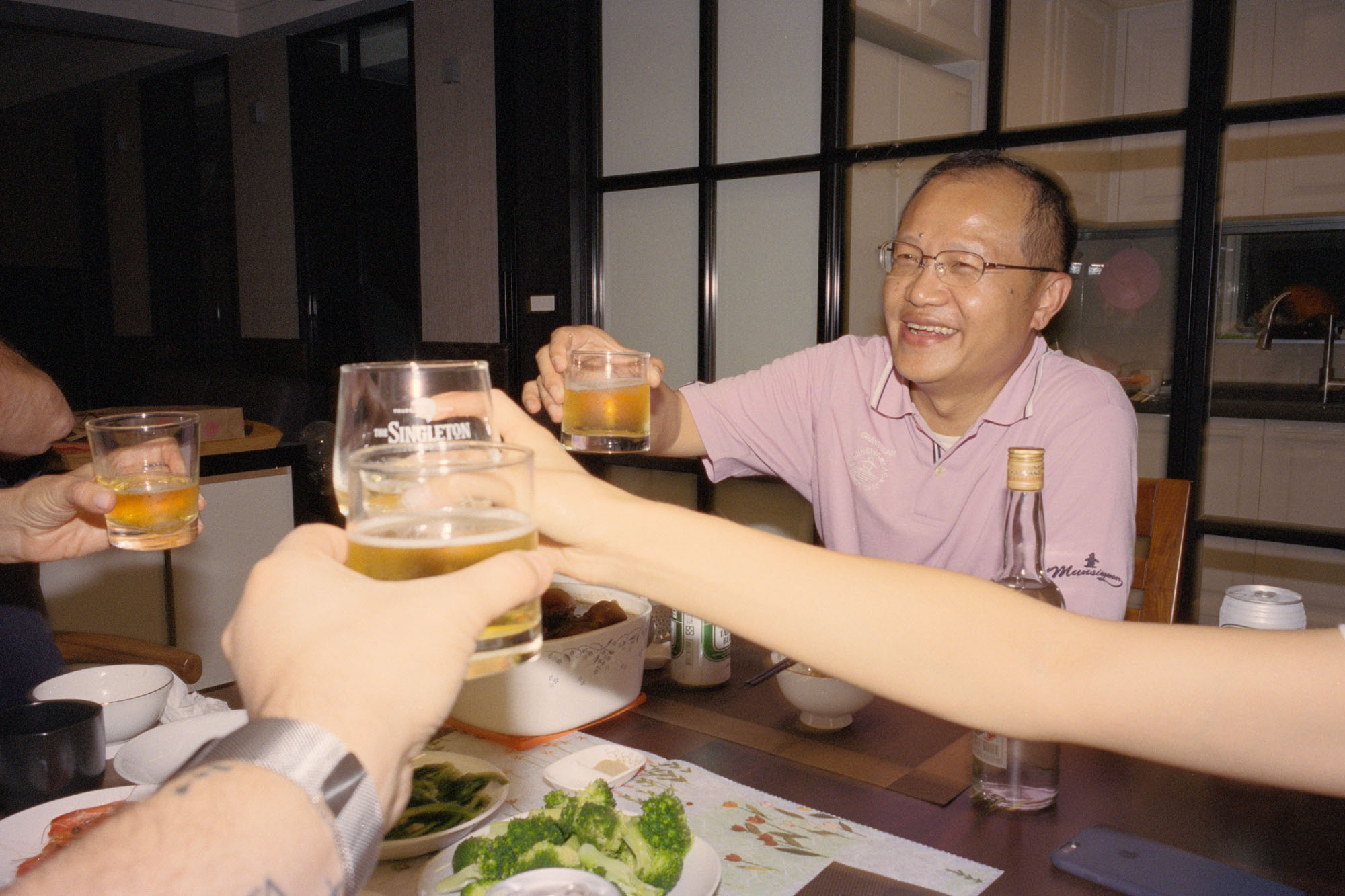
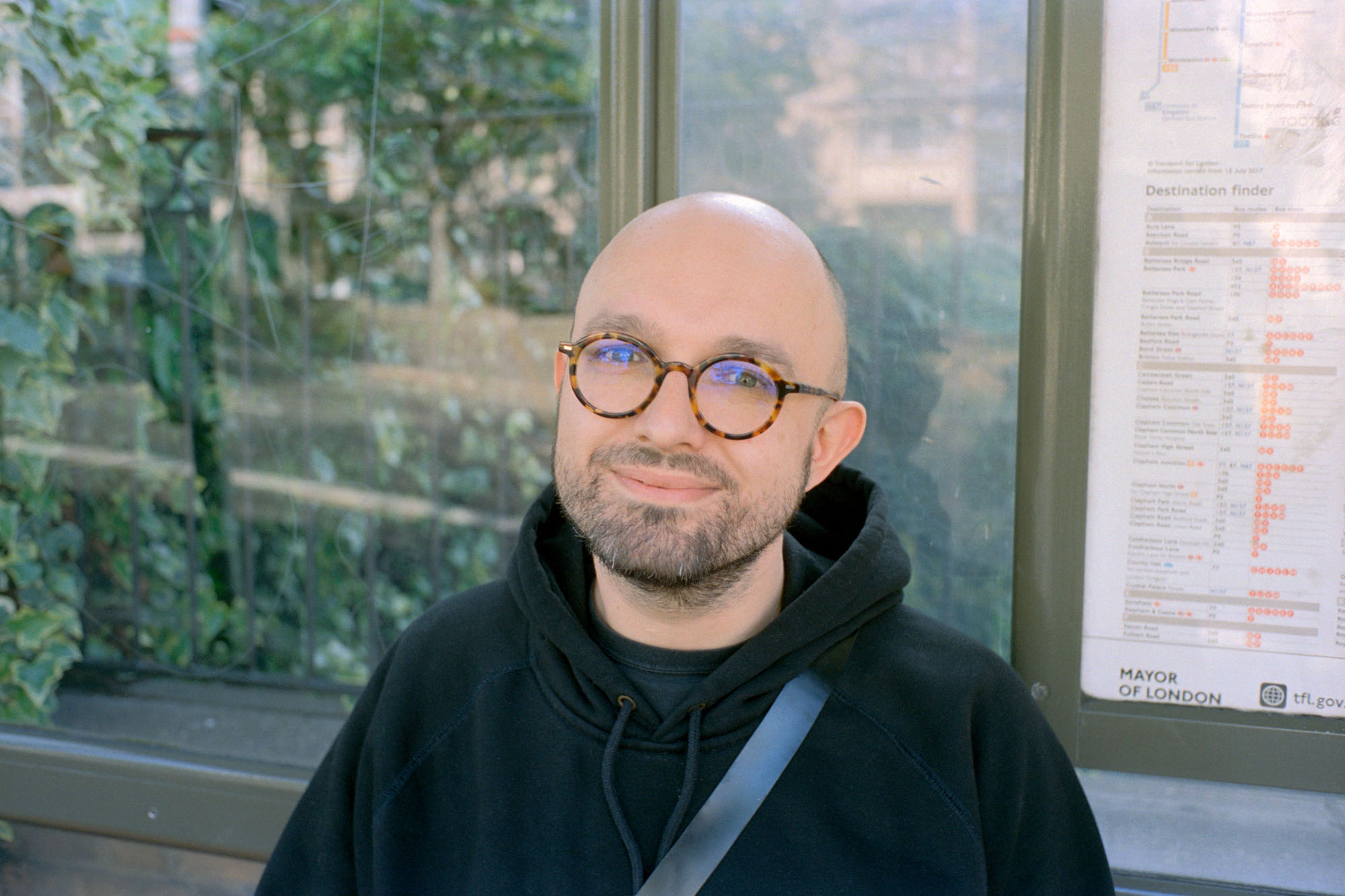
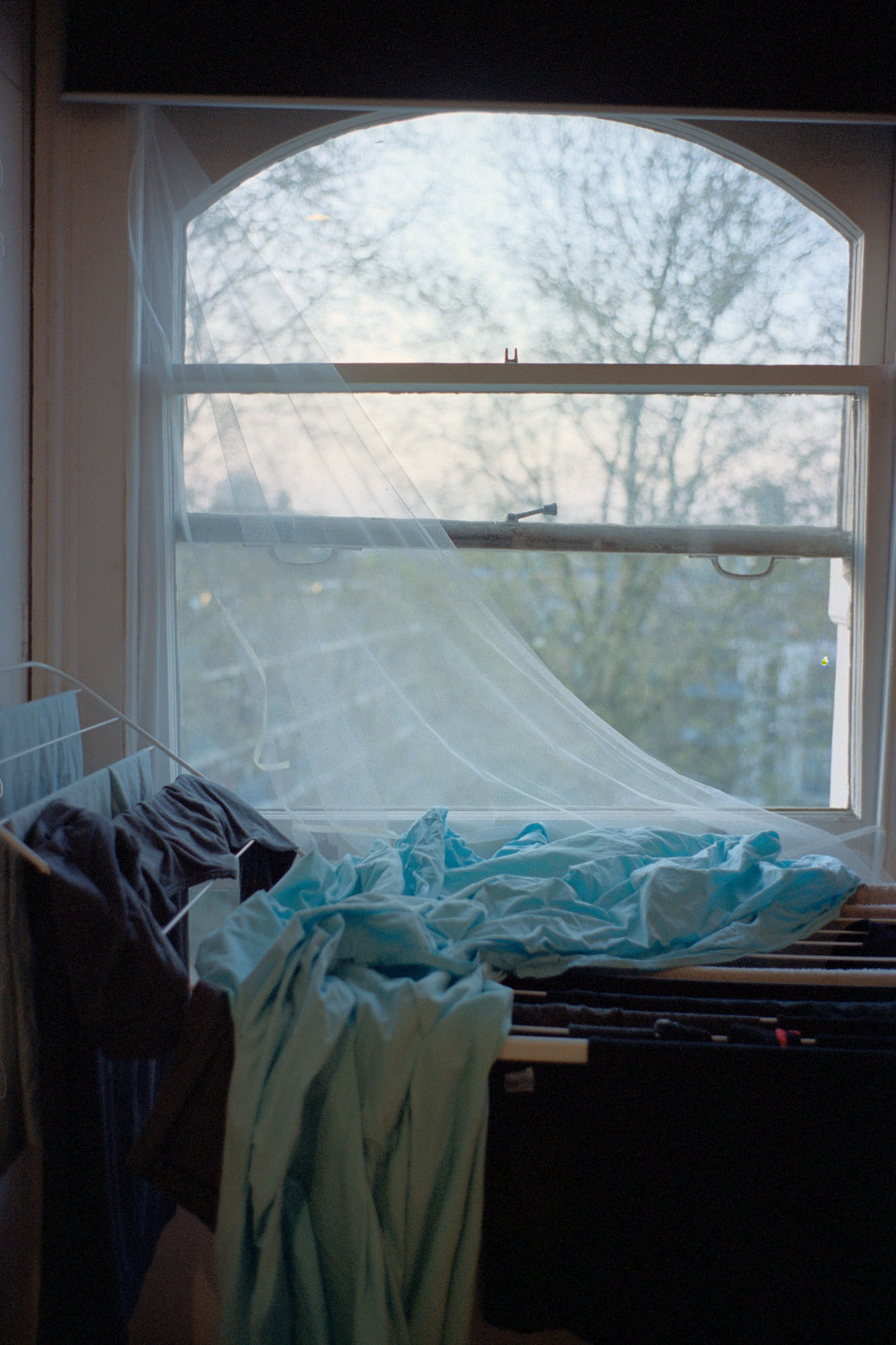
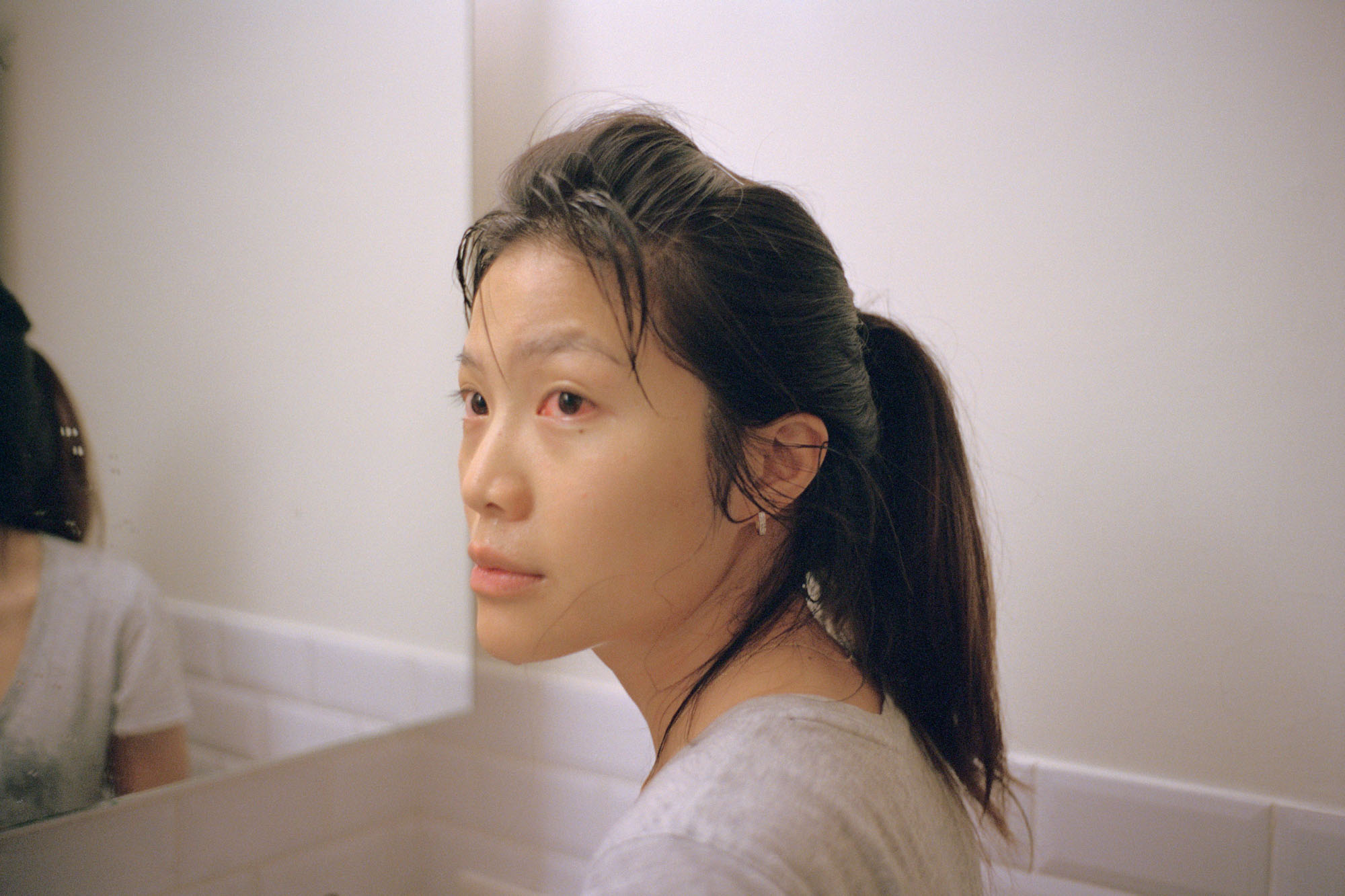
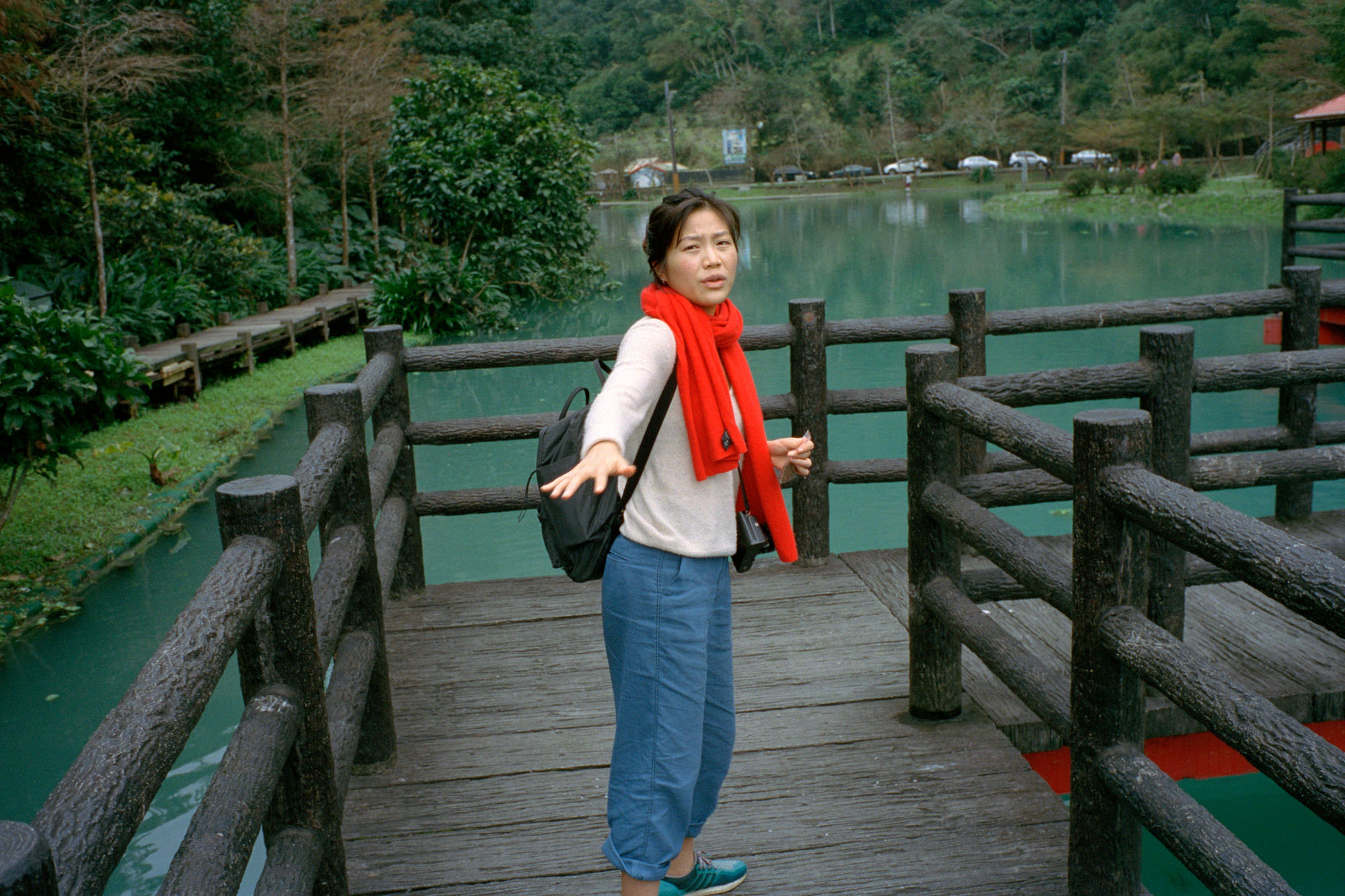
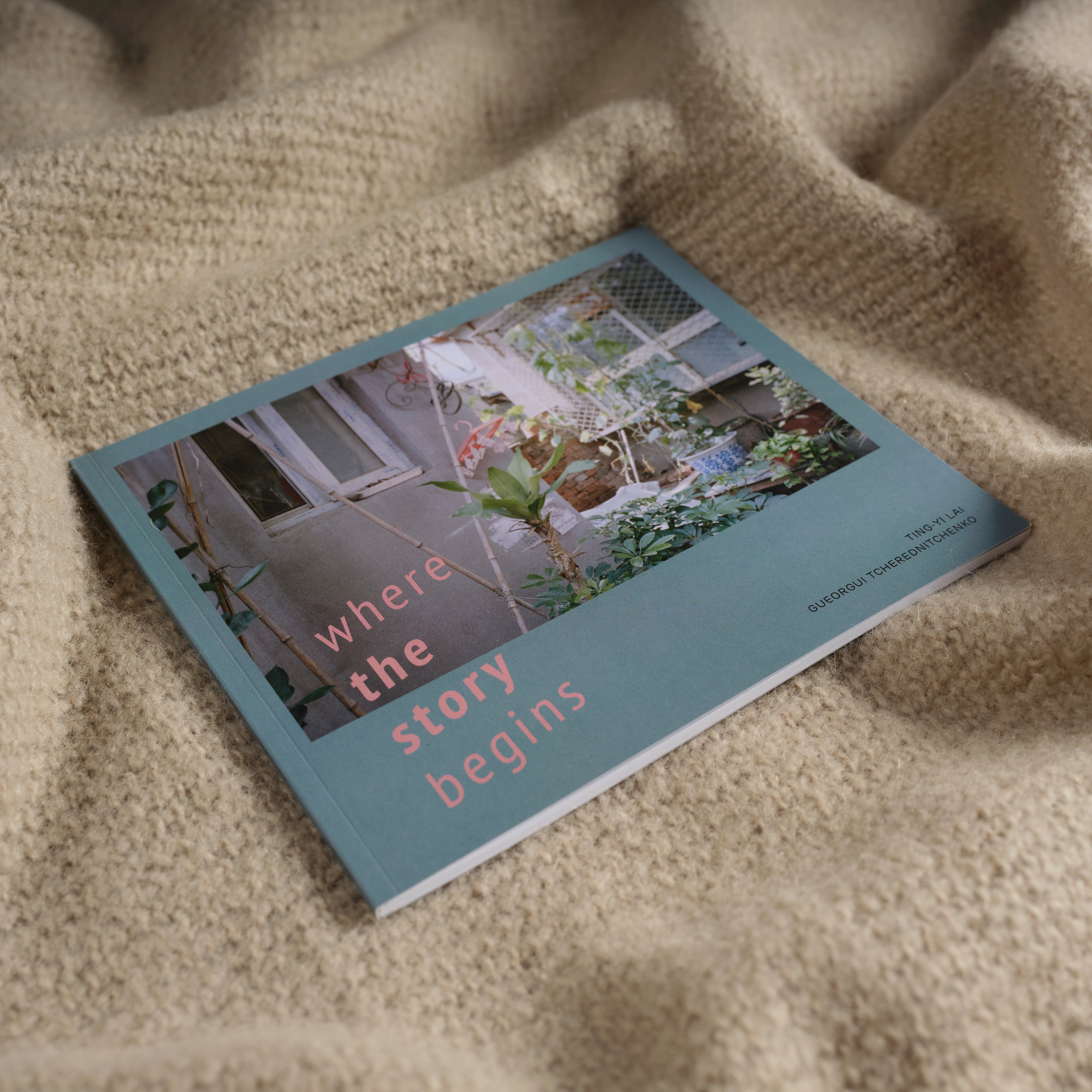
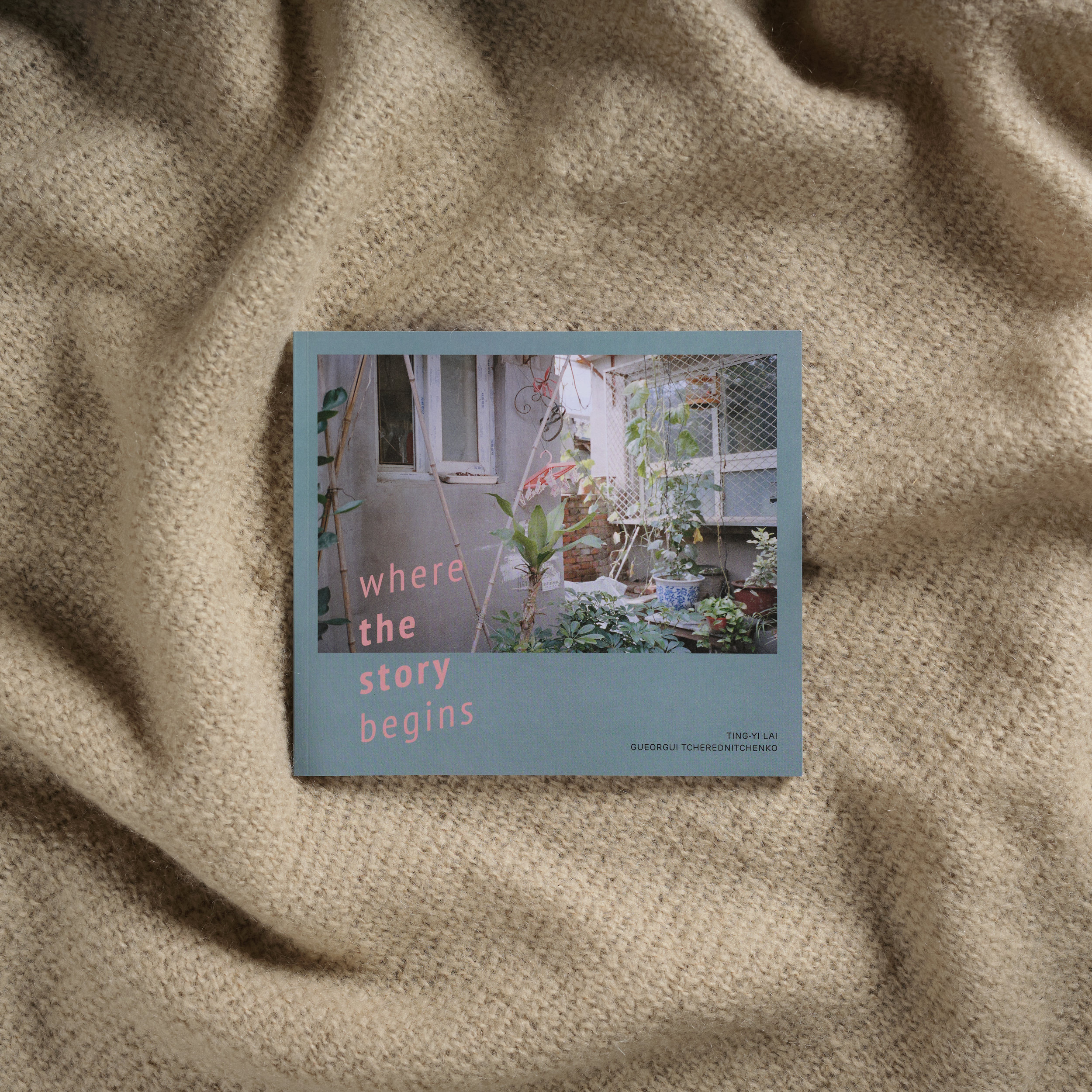
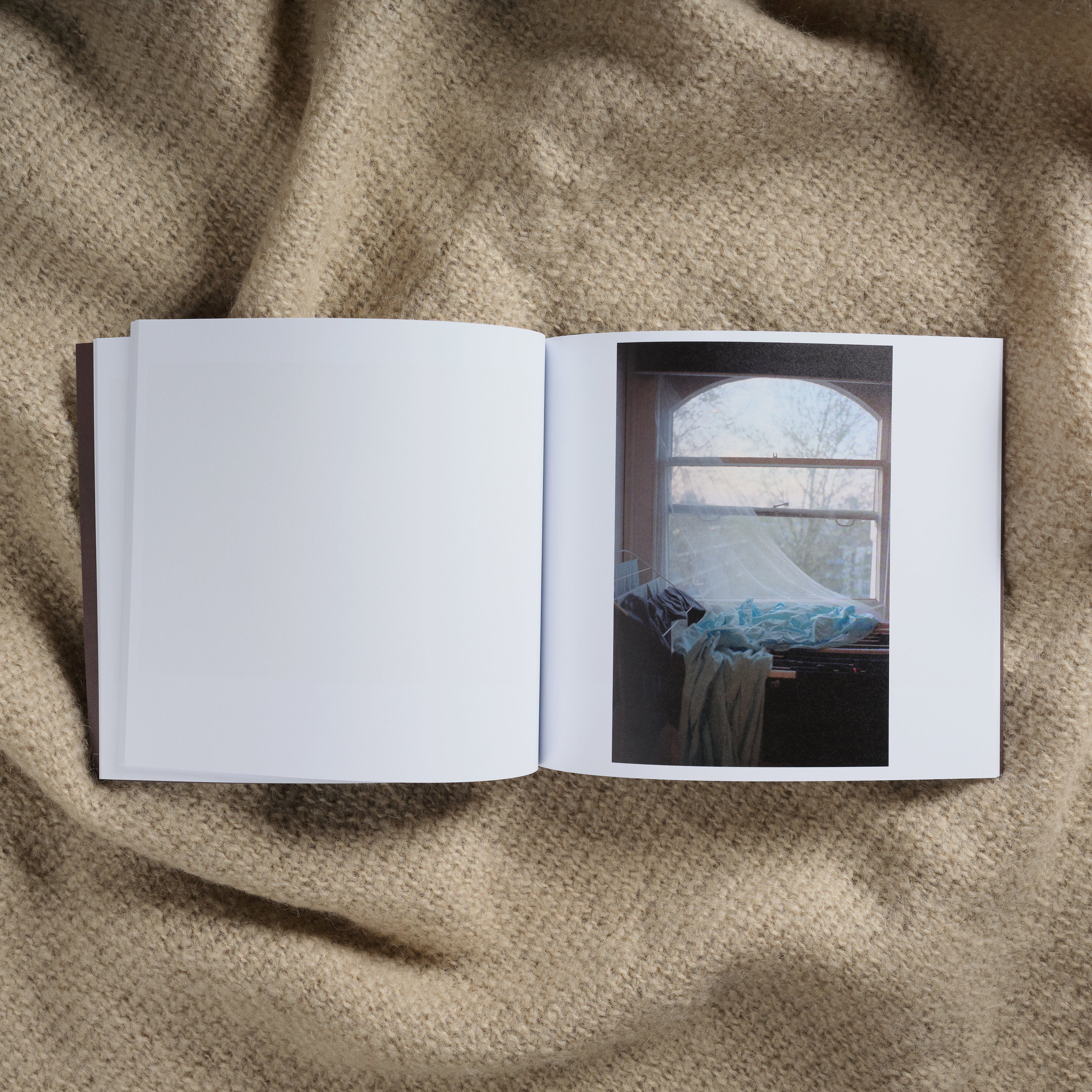
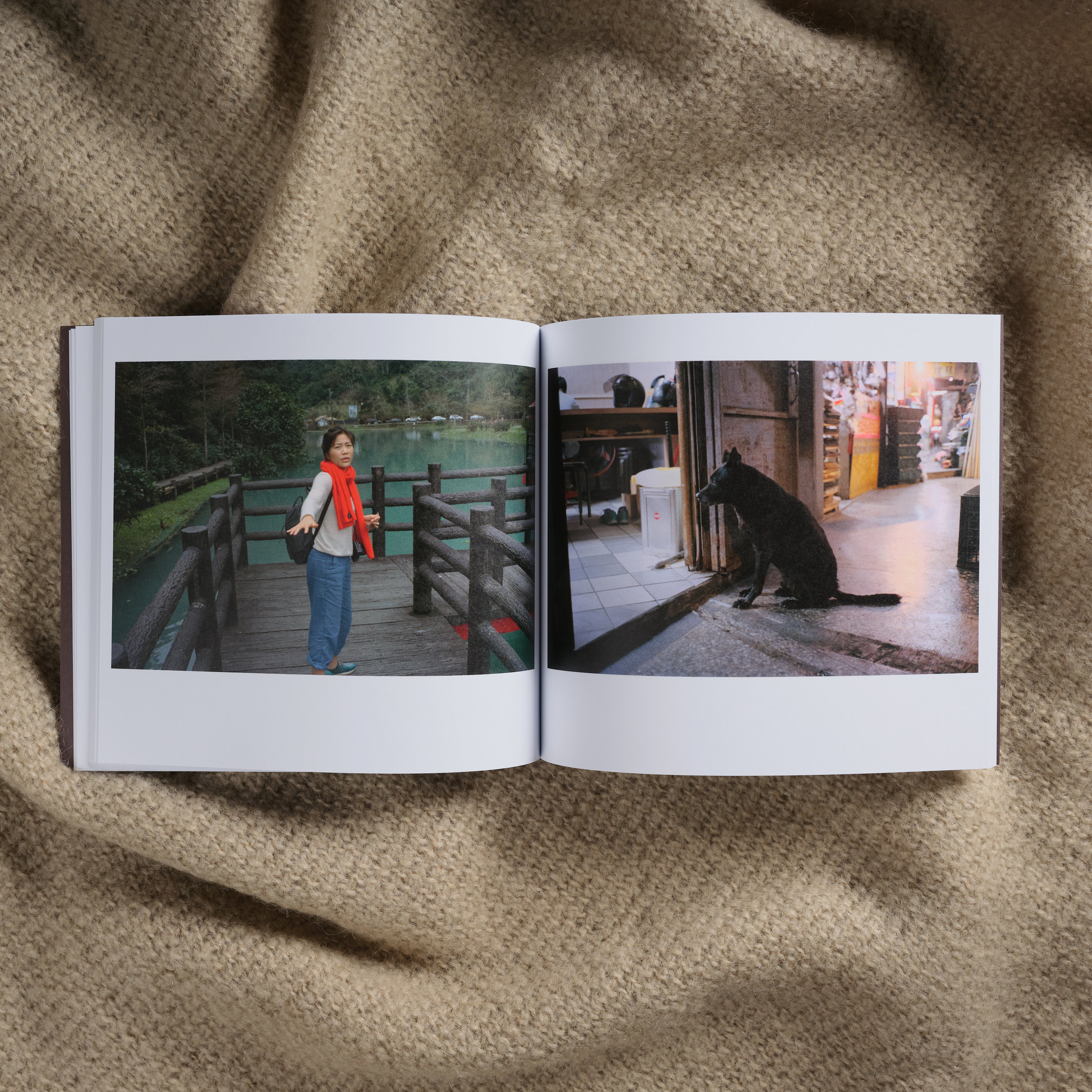
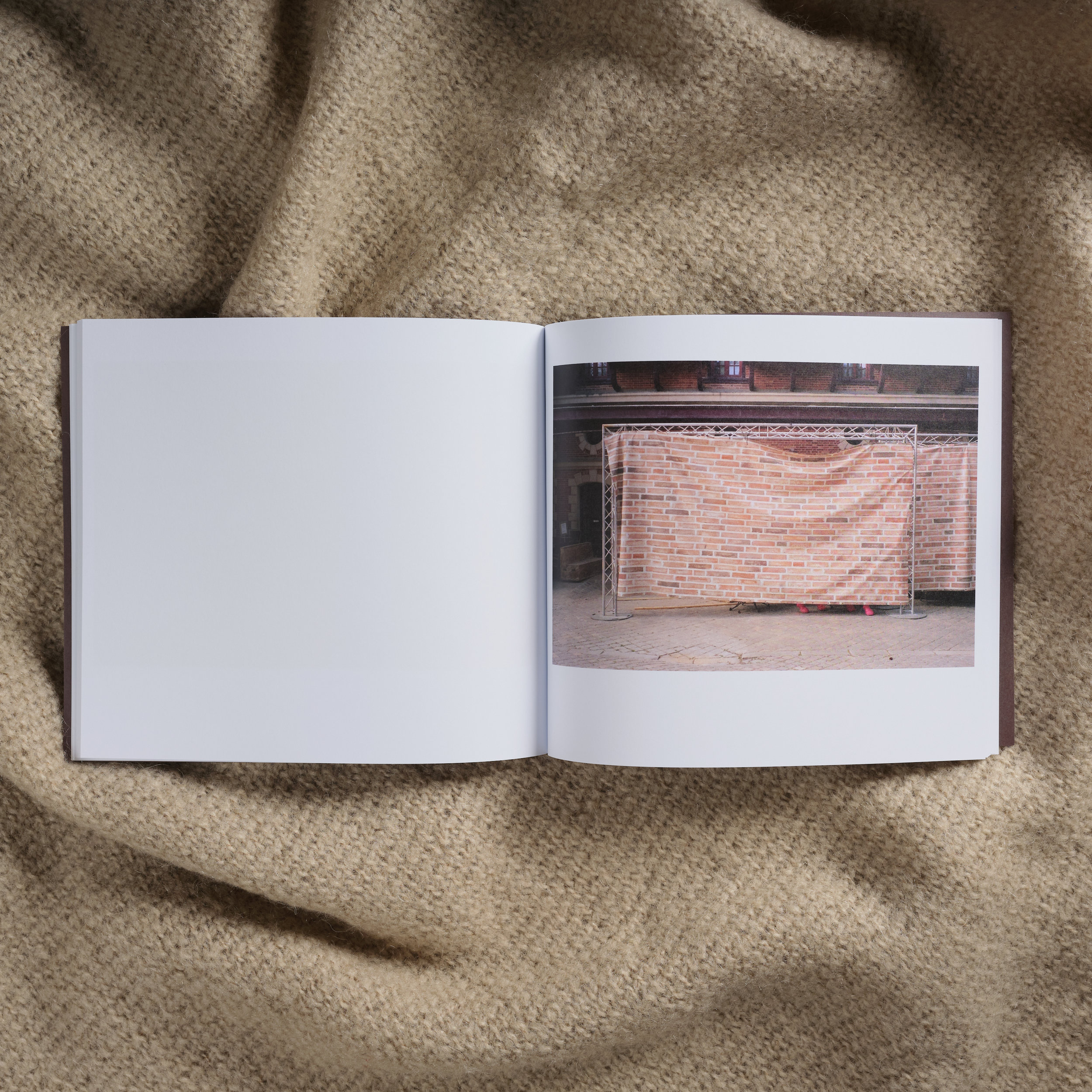
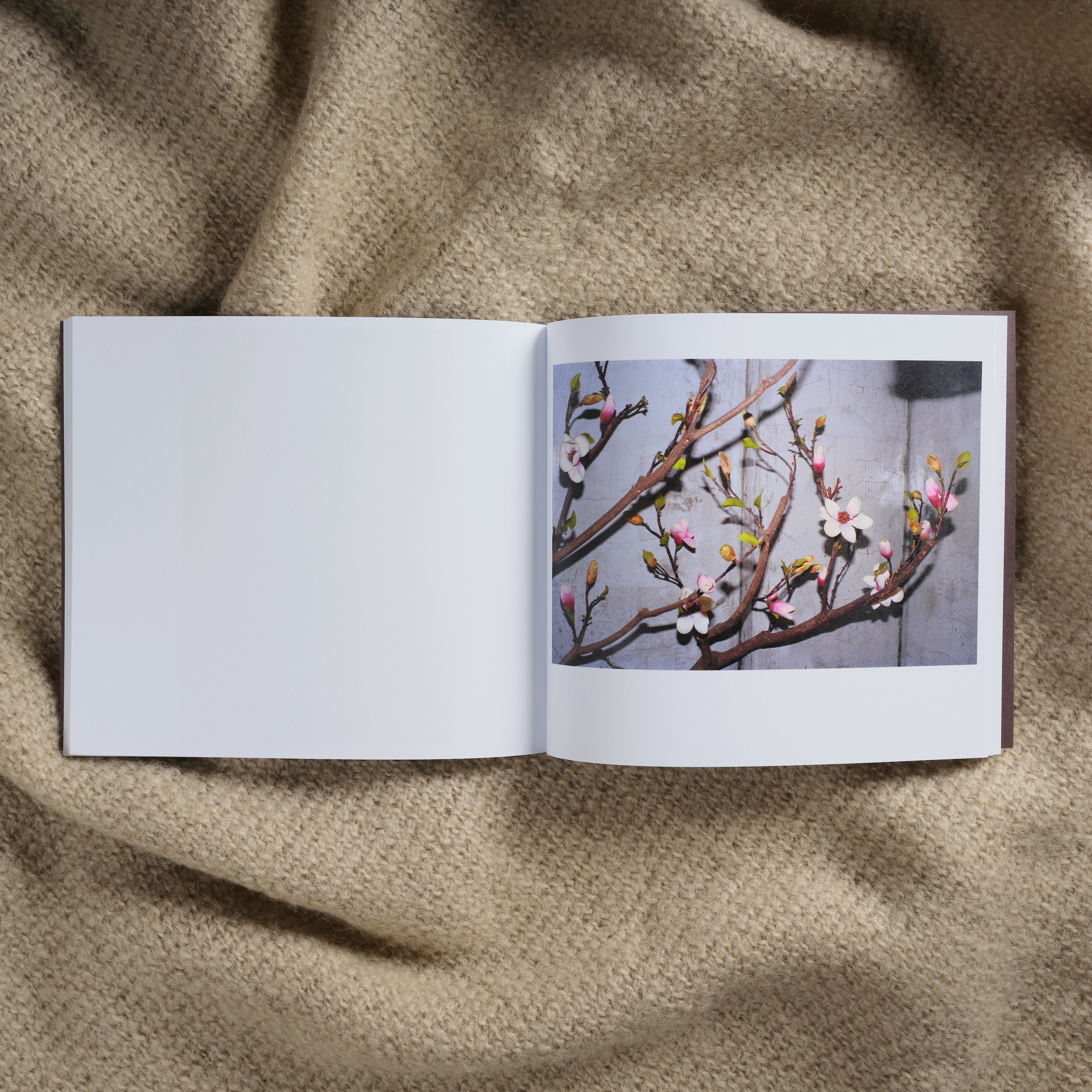
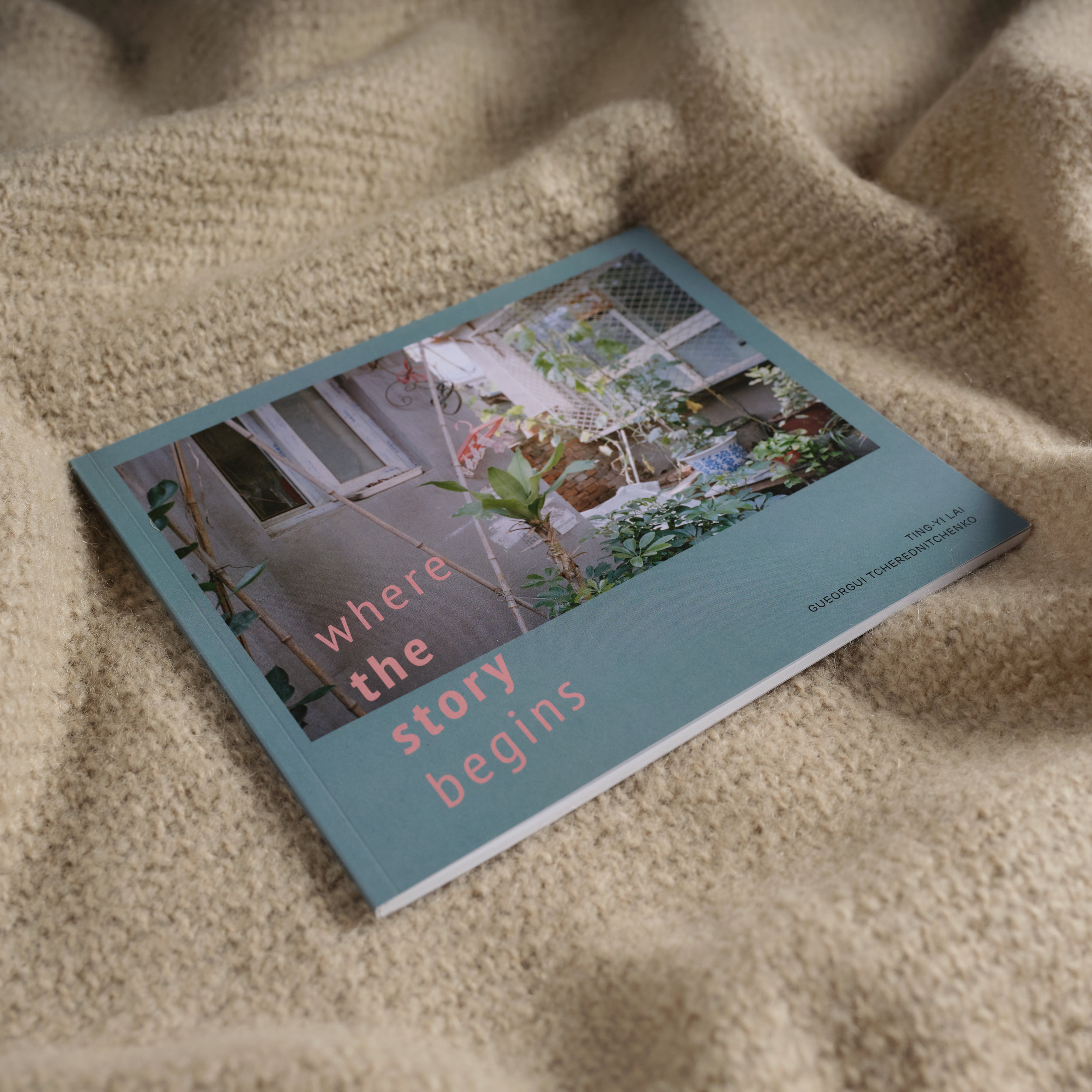
In late 2018, my partner and I got married. She is from Taiwan, I am from Russia but grew up in Paris, and we live in London. We are foreigners both to each other, and to the city we reside in.
Throughout our relationship, and even more so now at the beginning of our marriage, we are hand in hand in a quest to find common ground; between ourselves, our families, our histories, and our adopted country, which is going through a turbulent time in its history.
This series is part of an ongoing project documenting this quest, and the joys and frictions that come with it: a project for a lifetime together.
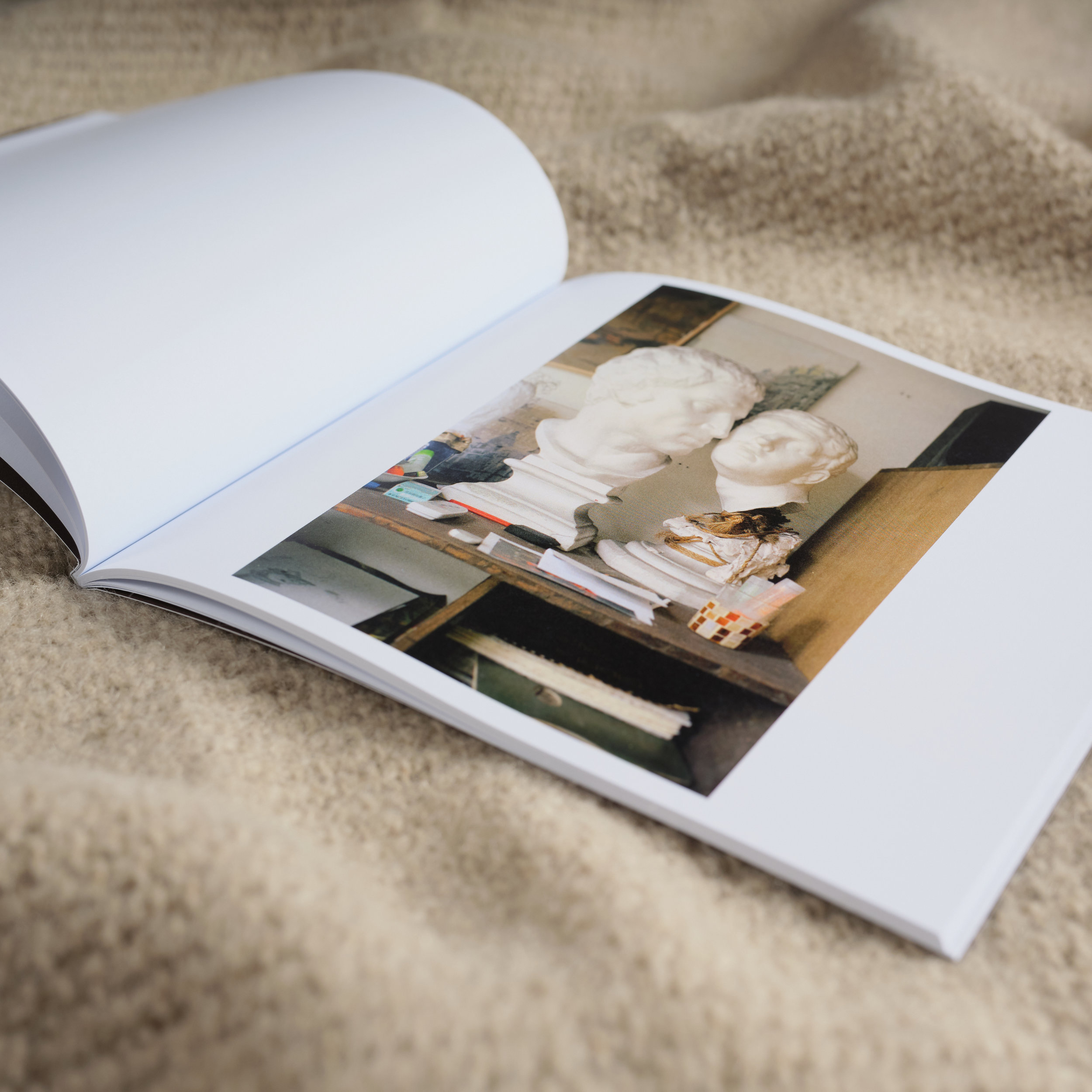
210 × 184 mm
Uncoated paper, printed on HP Indigo digital press
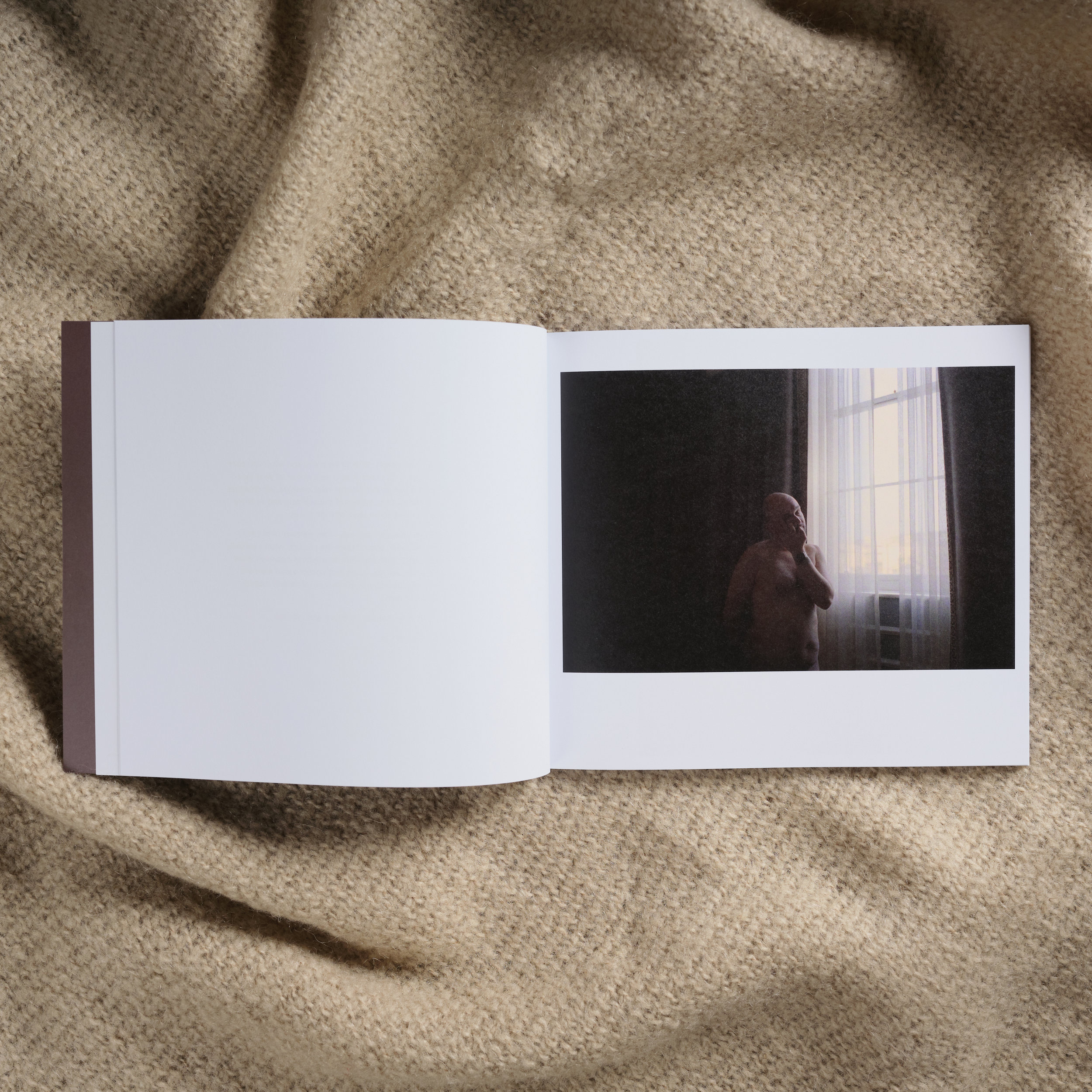
56 pages, 32 colour photographs
Photographs by T.L. and Gosha Tcherednitchenko
Published by A Possible Space
210 × 184 mm
Uncoated paper, printed on HP Indigo digital press
56 pages, 32 colour photographs
Photographs by T.L. and Gosha Tcherednitchenko
Published by A Possible Space
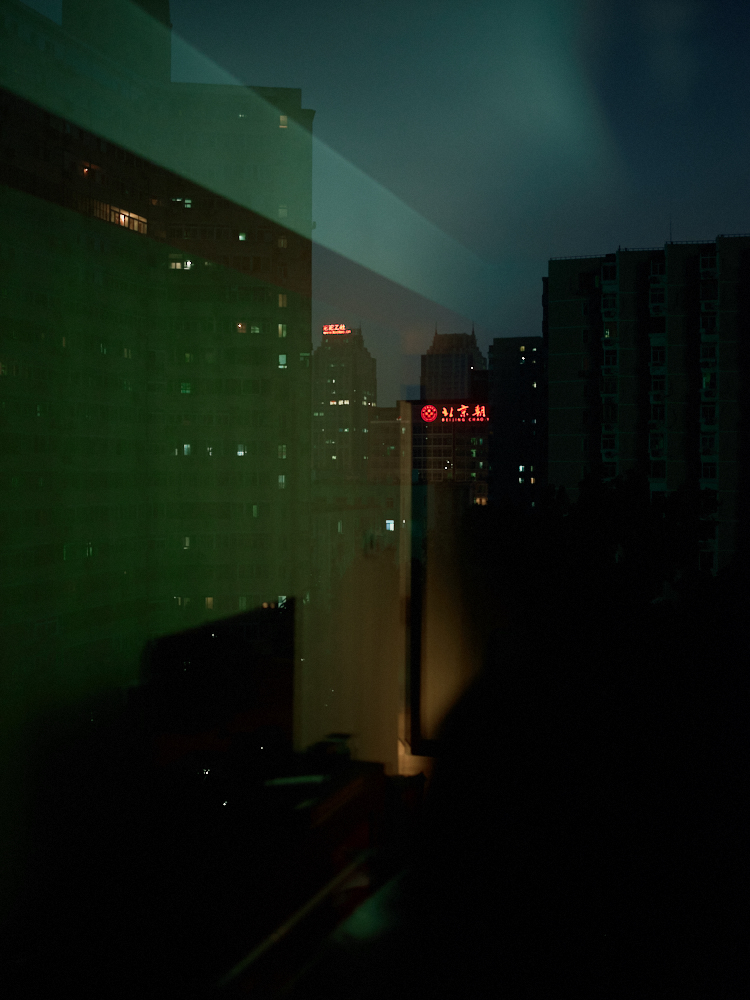
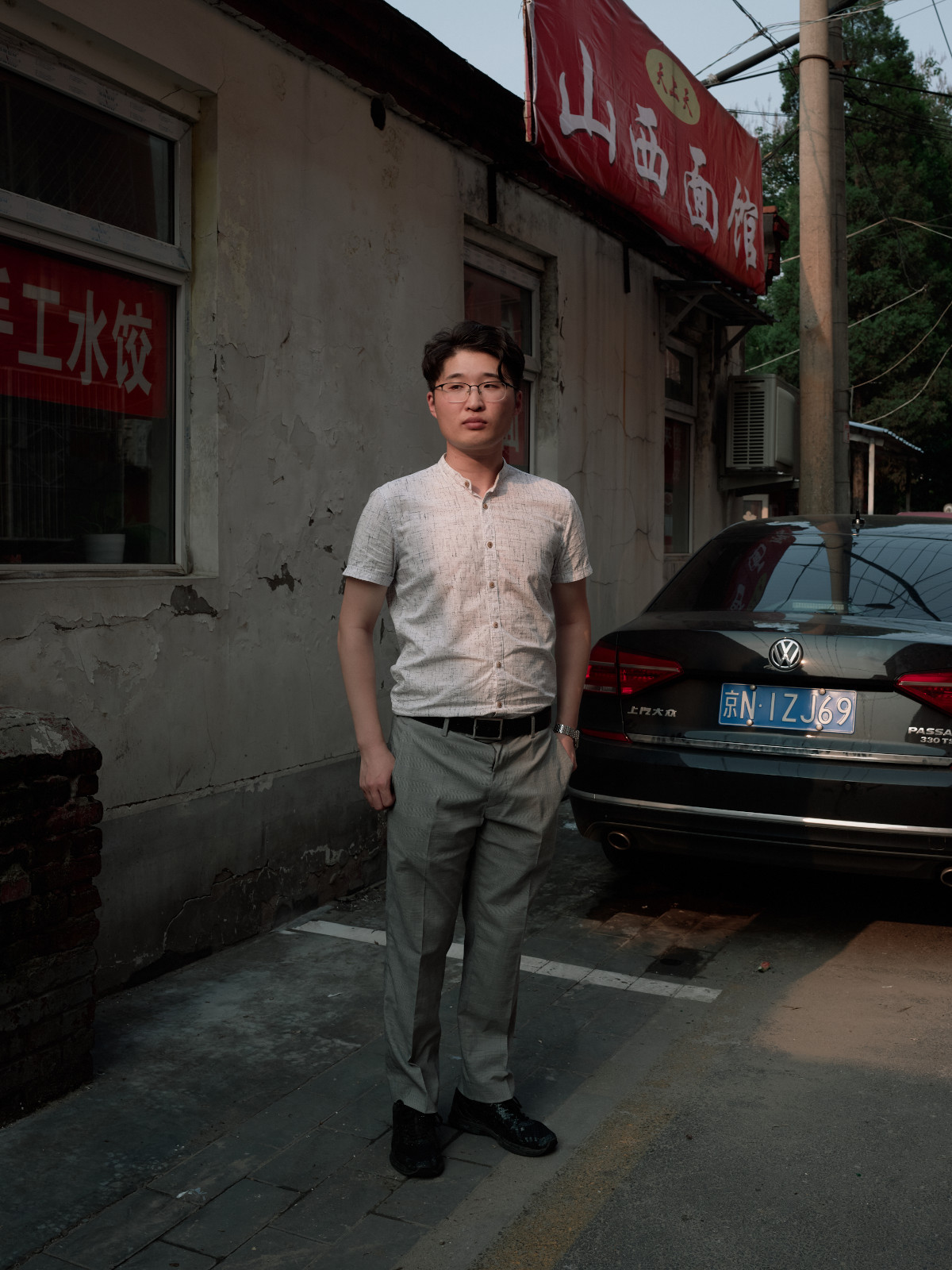
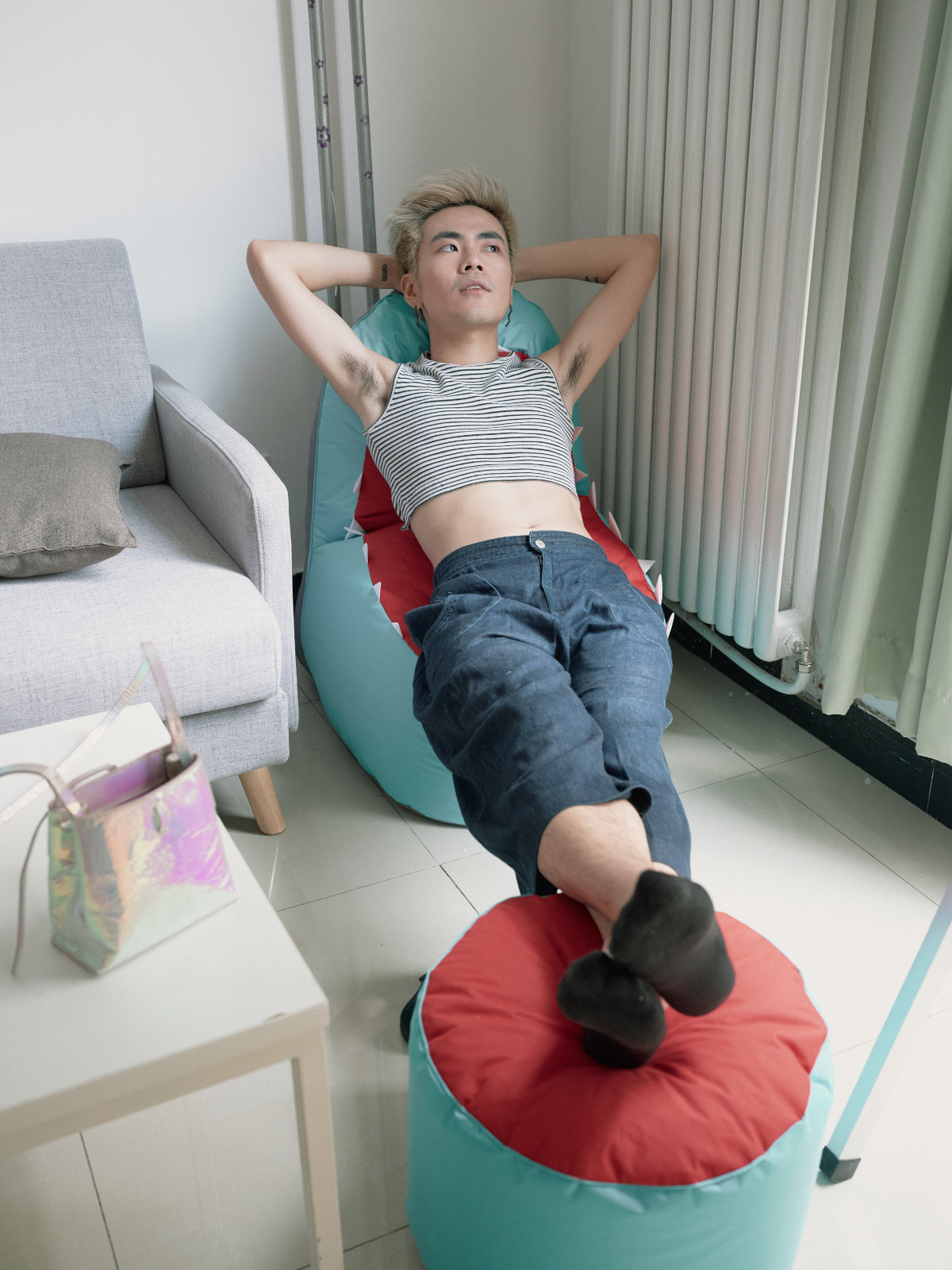
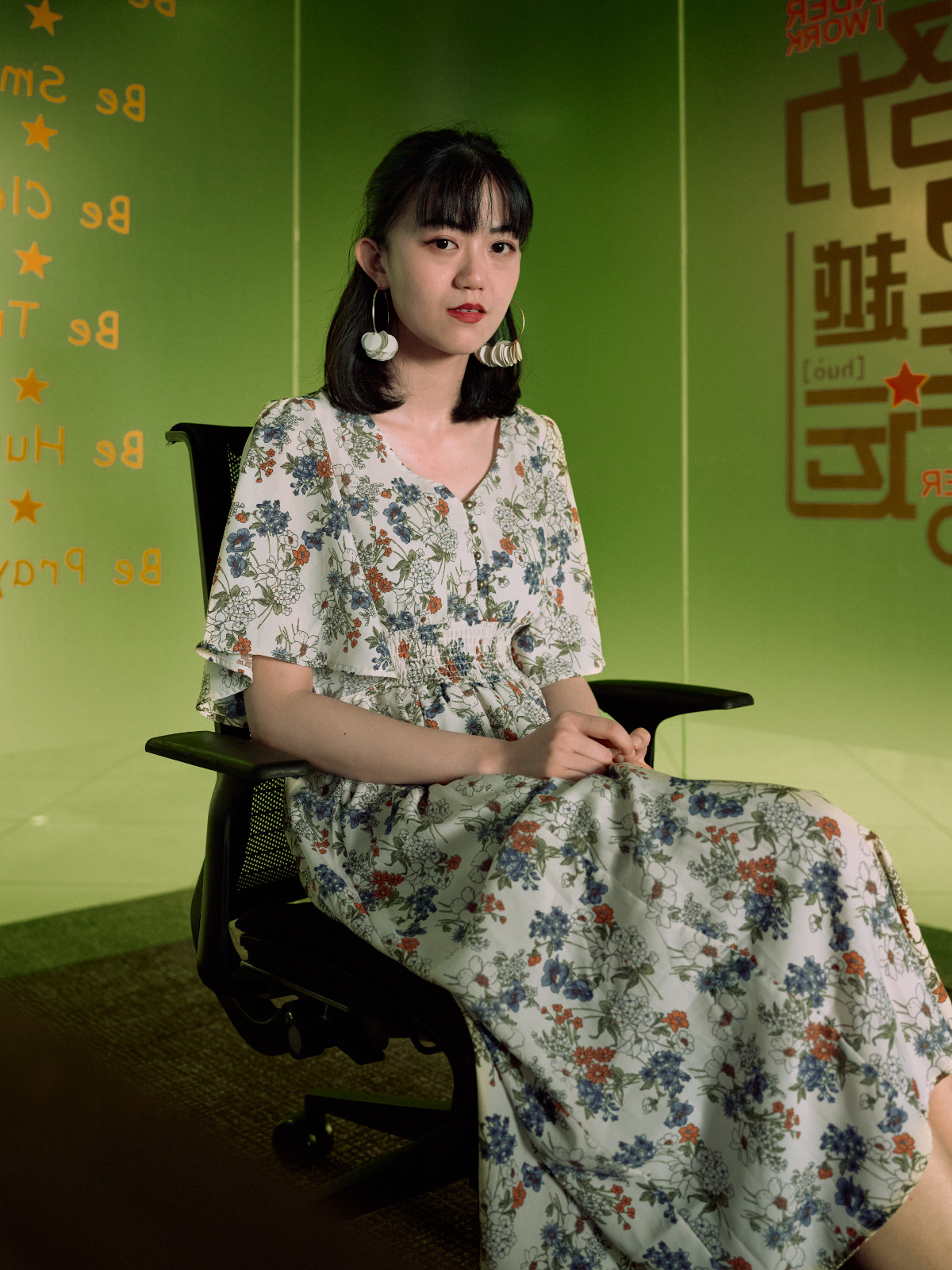
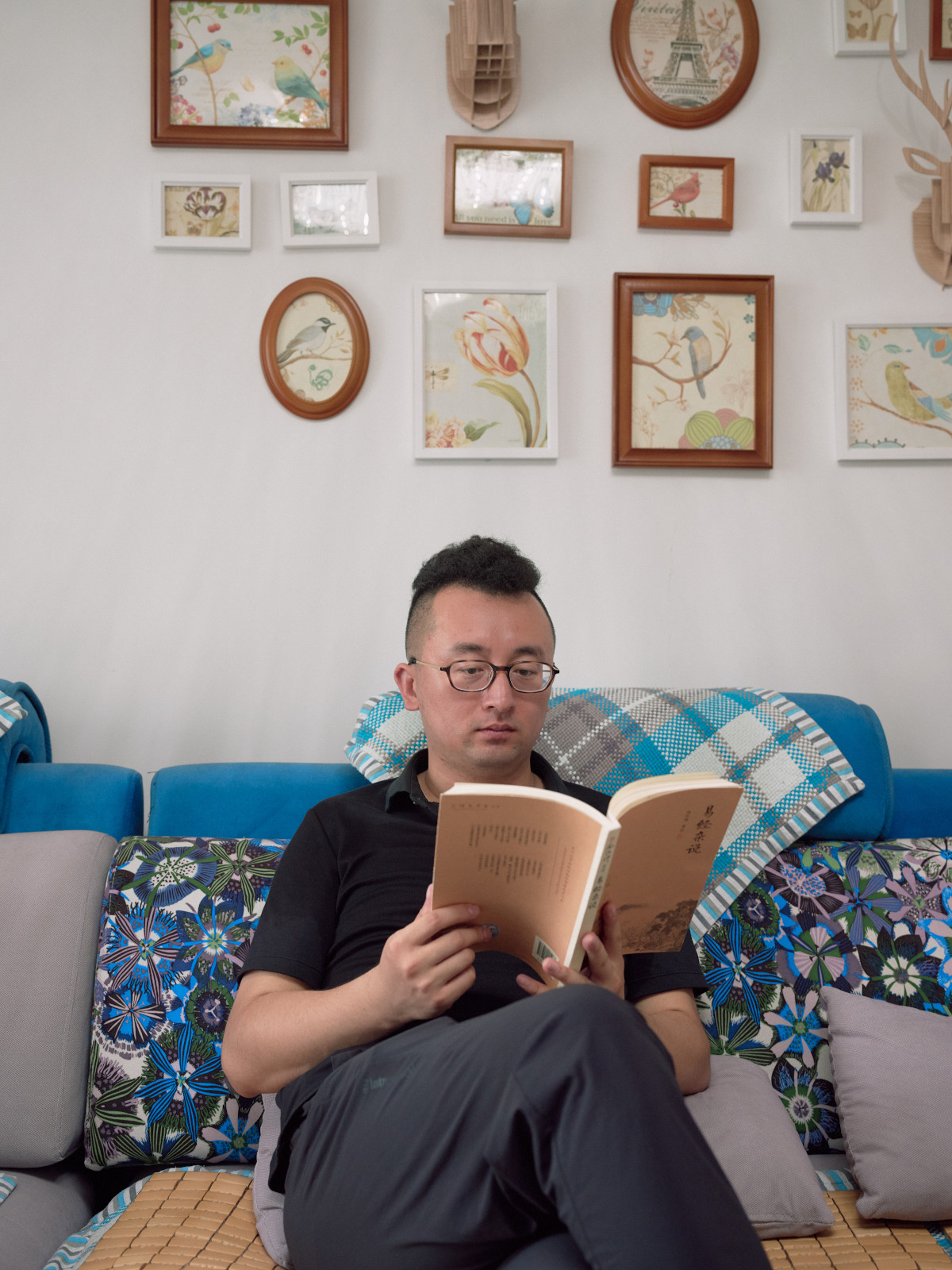
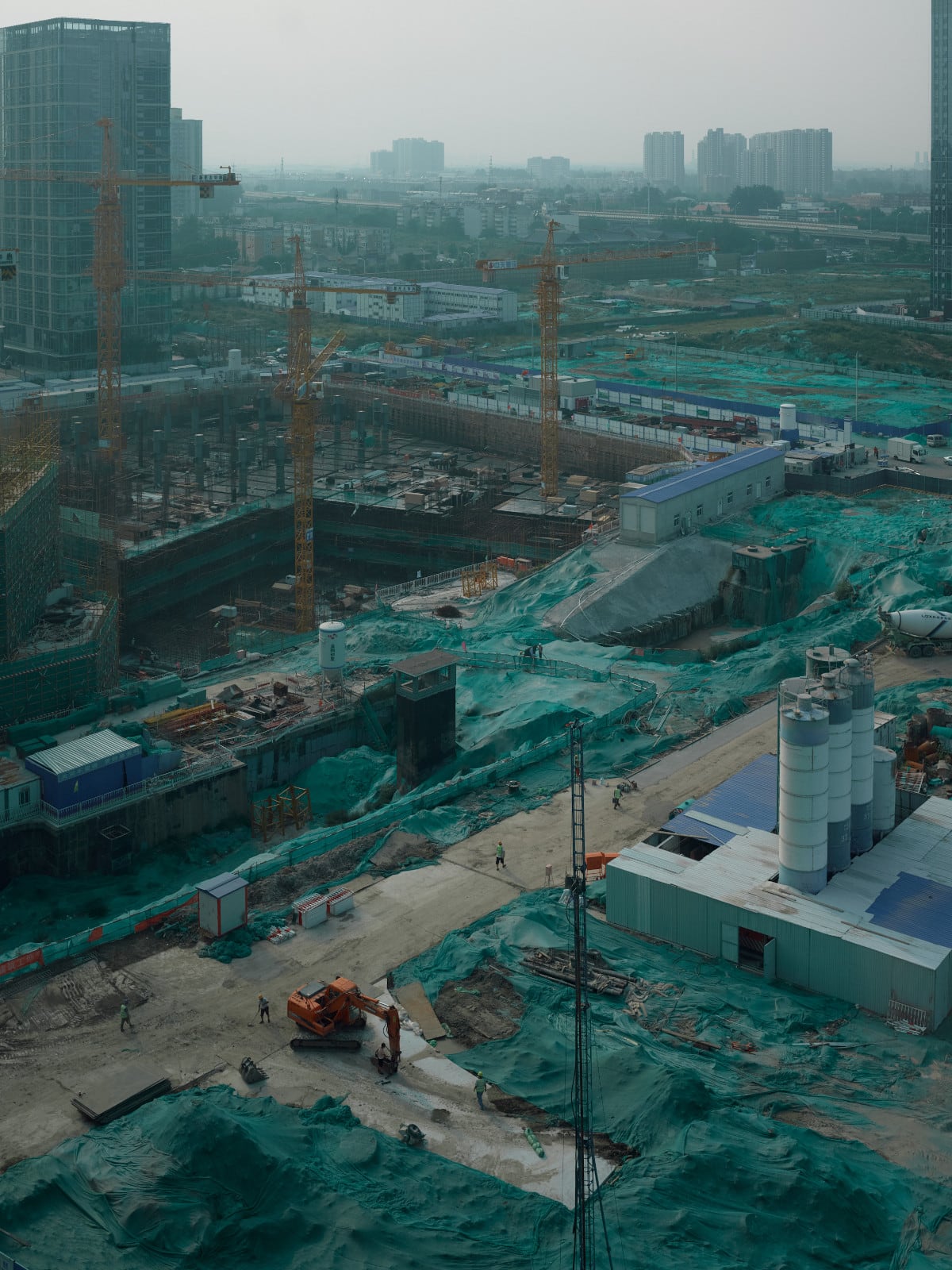
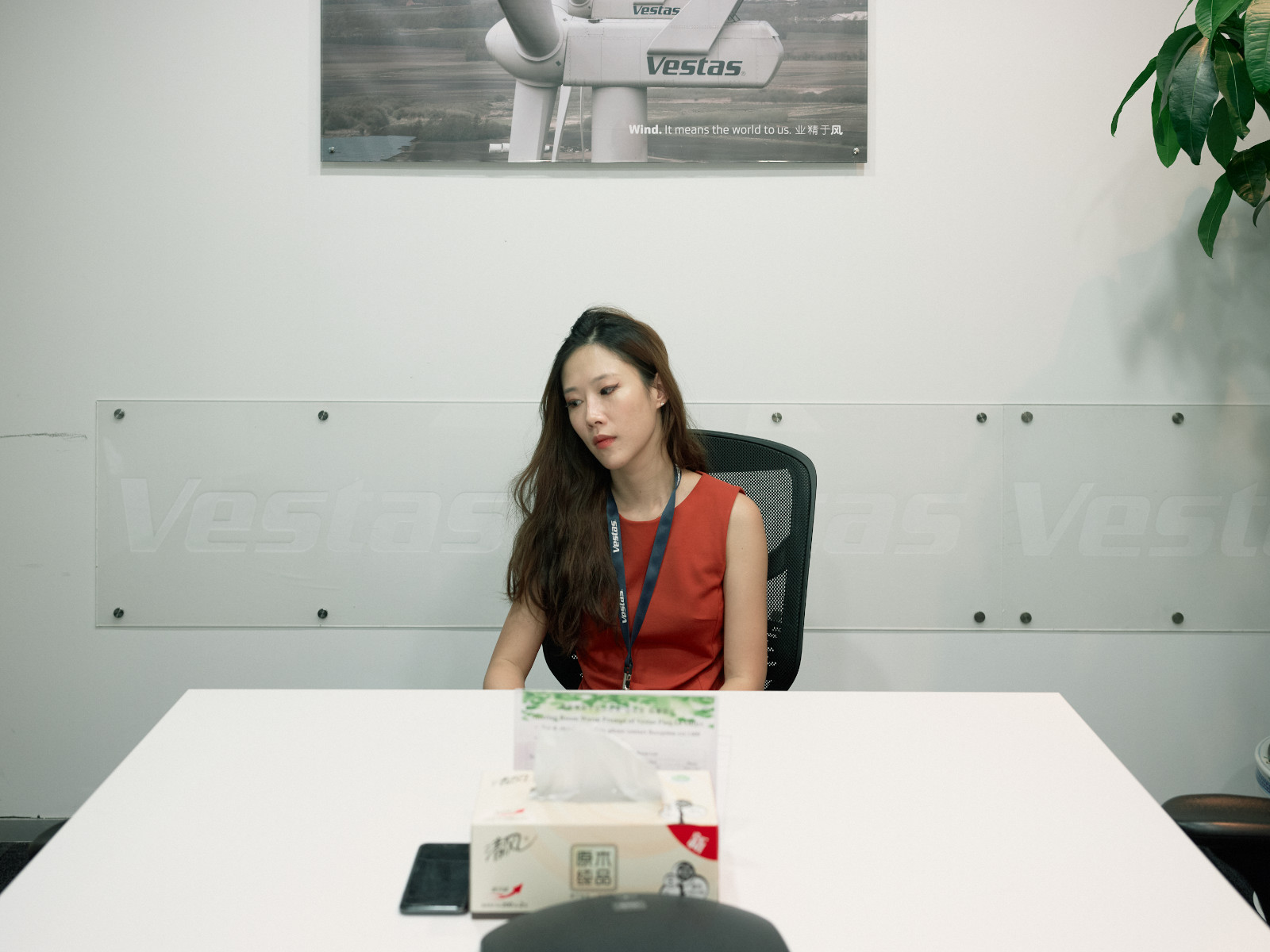
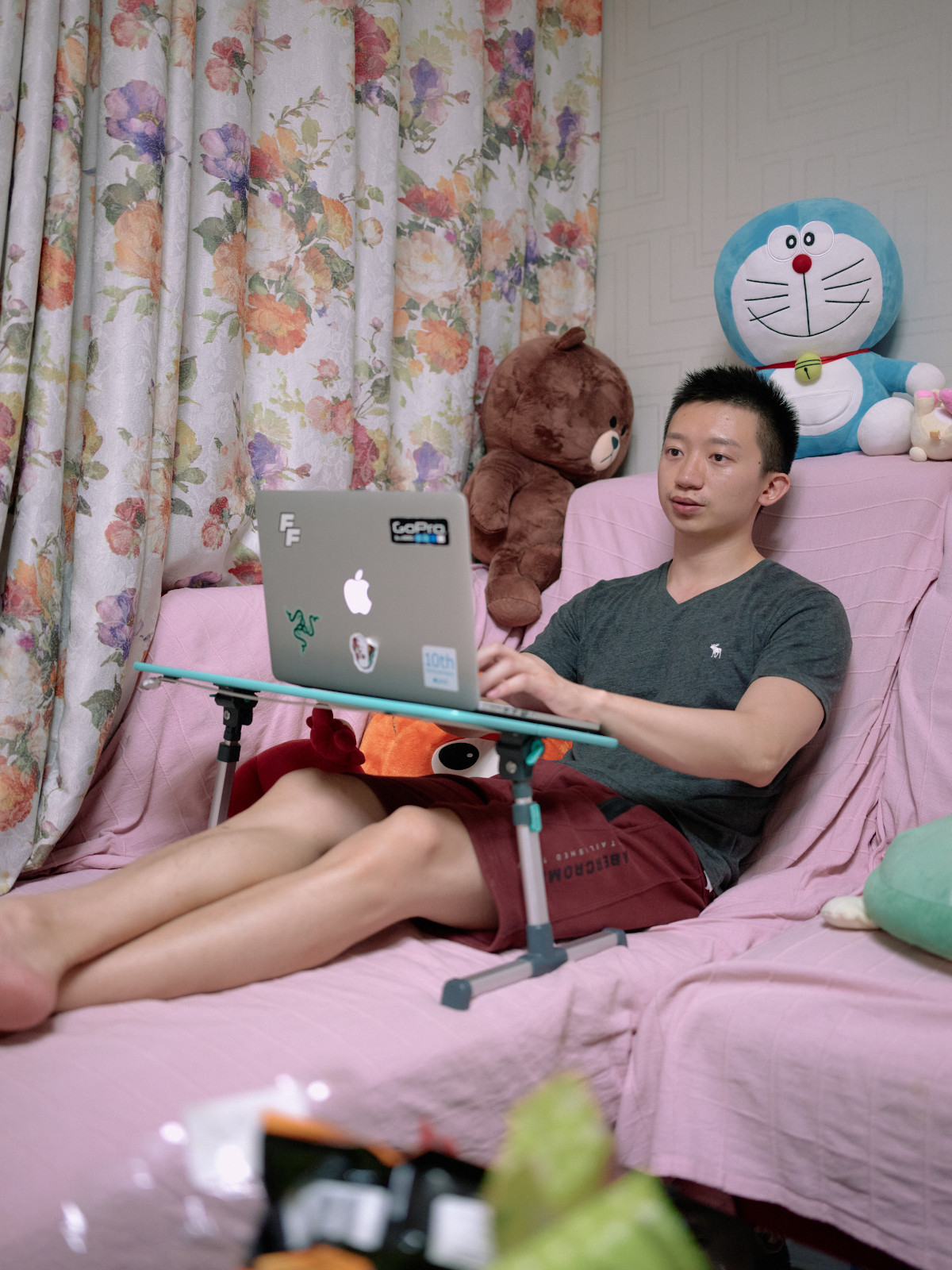
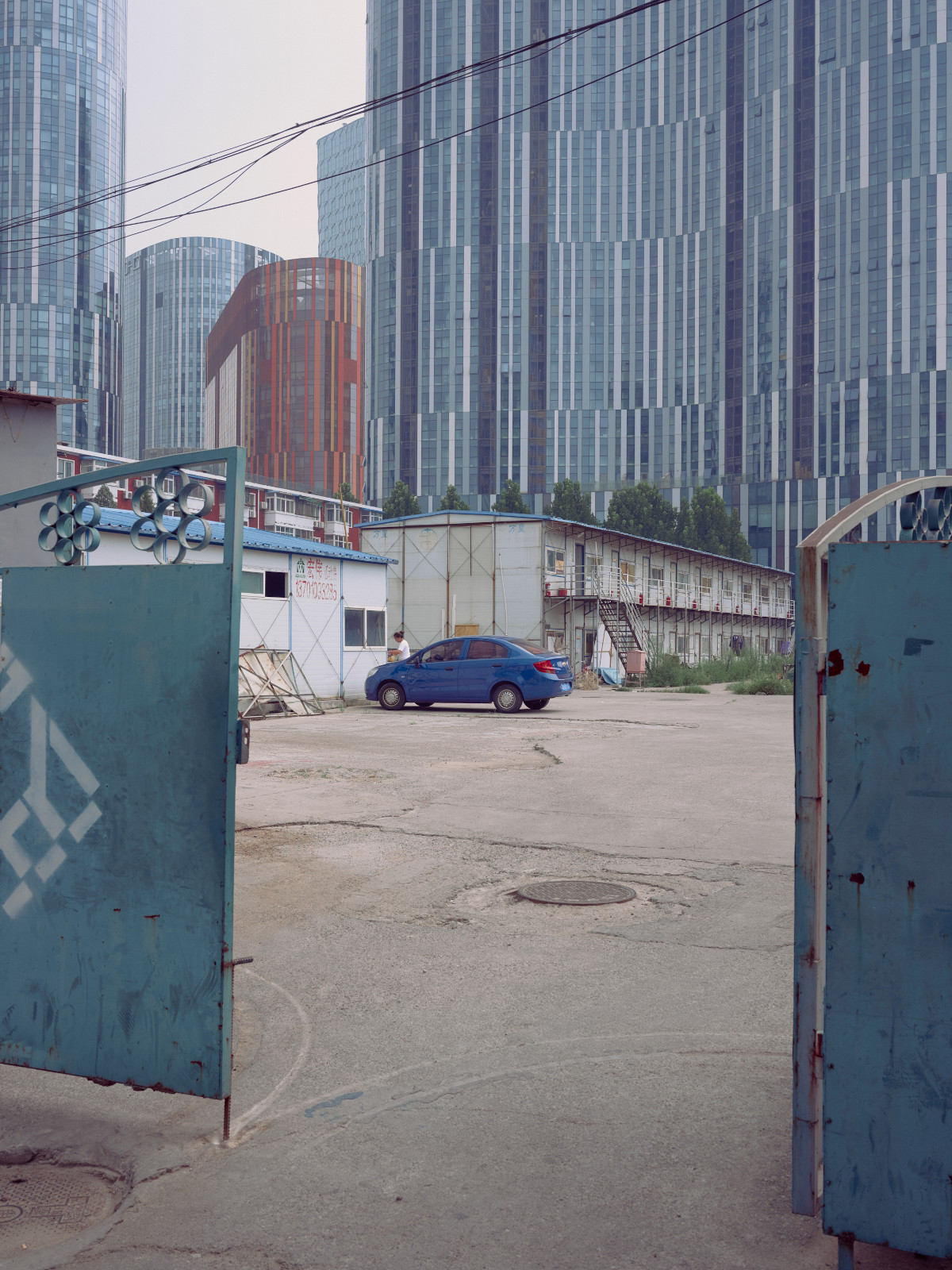
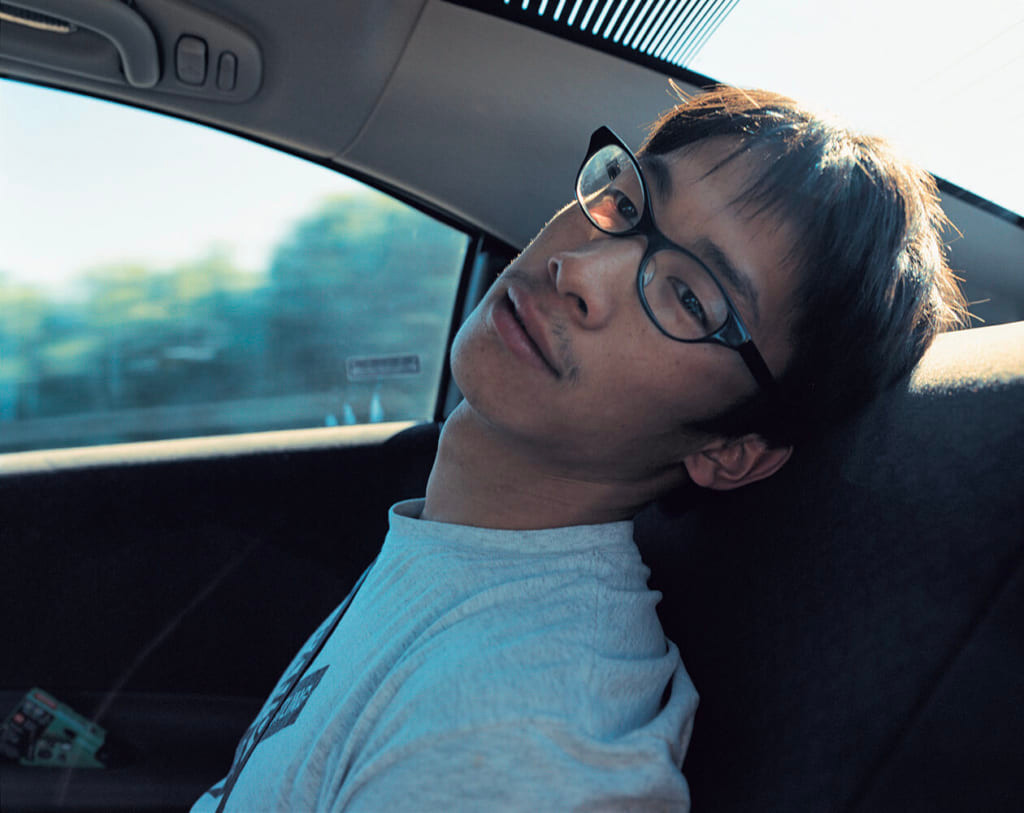
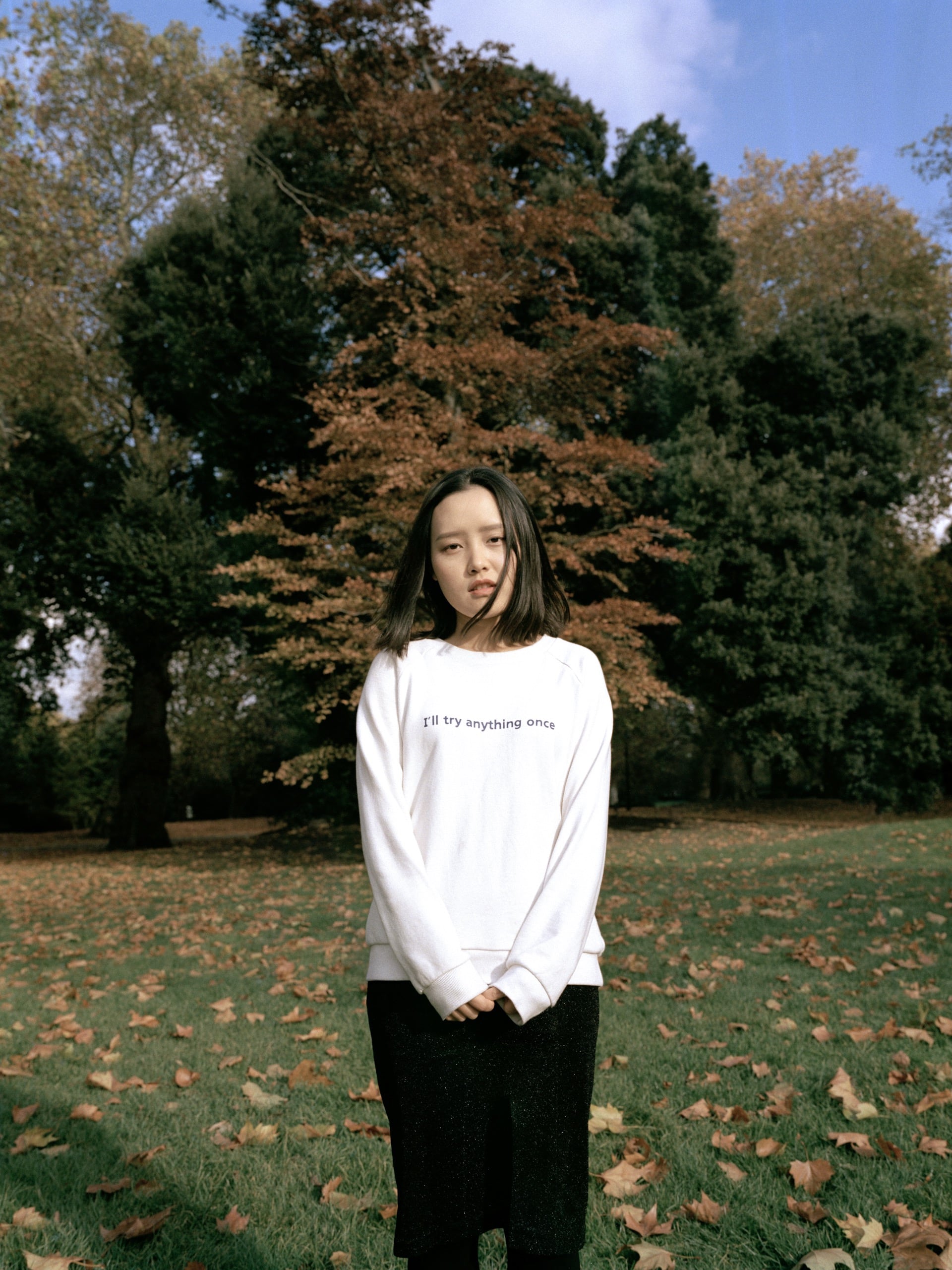
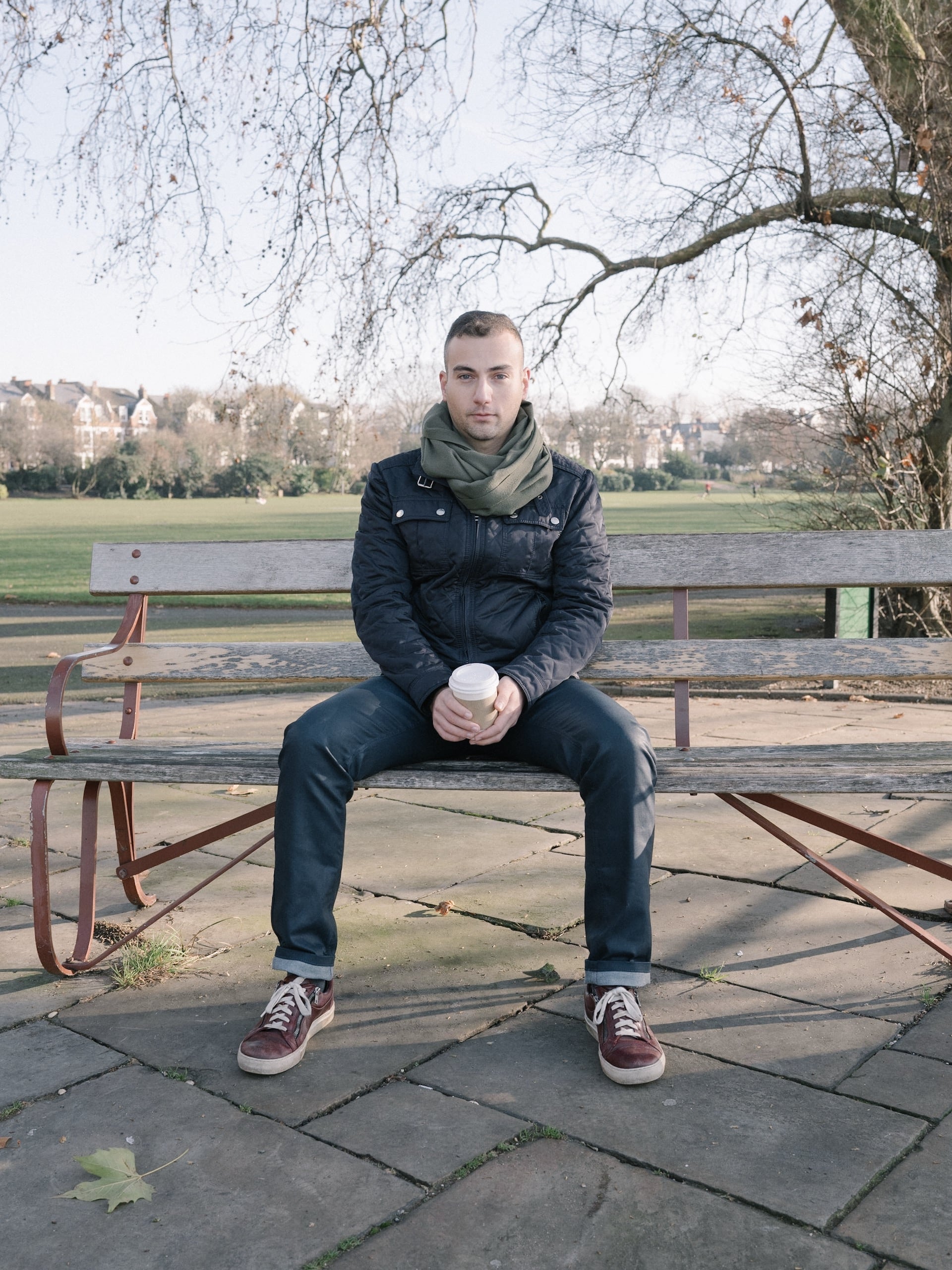
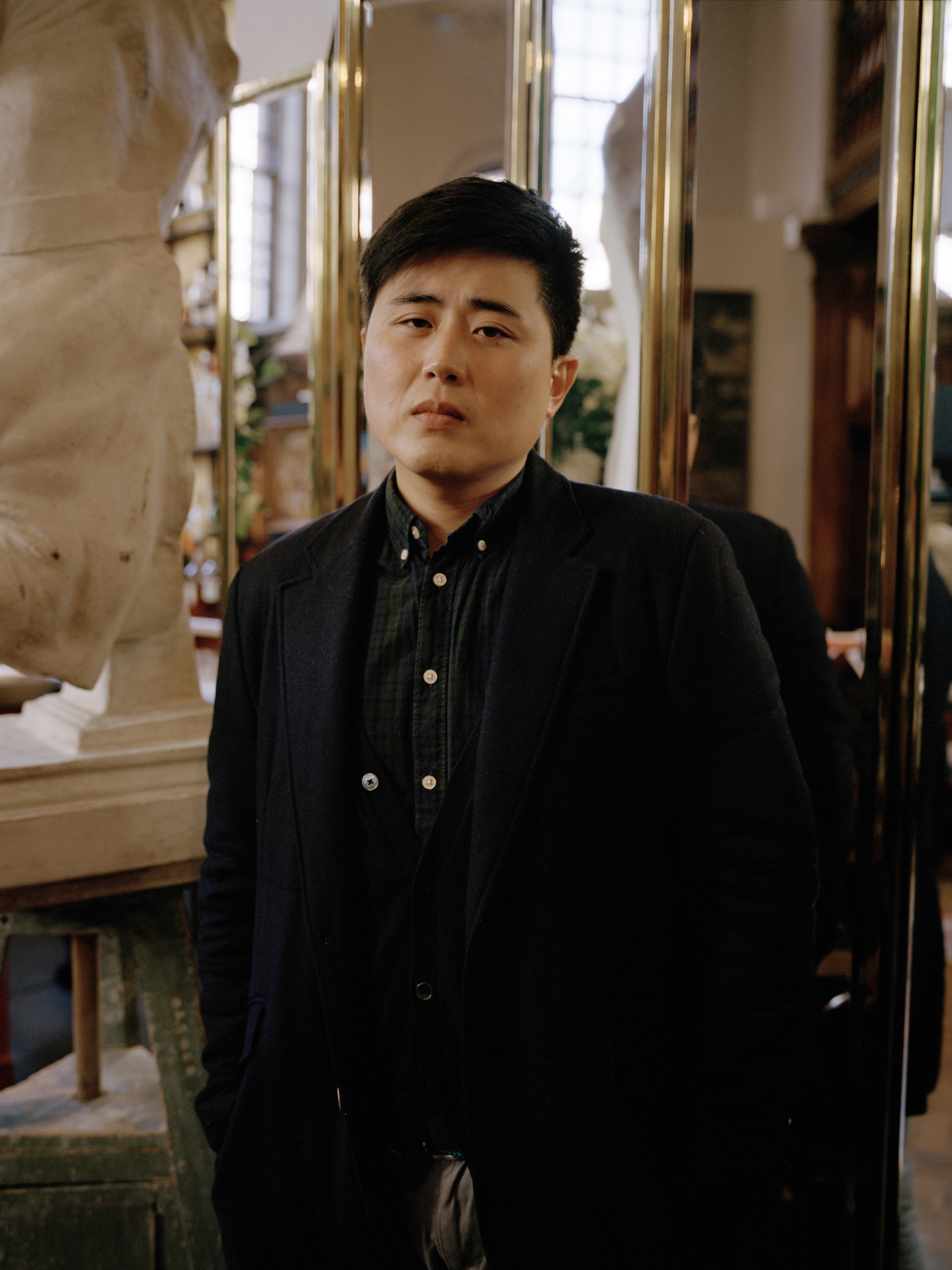
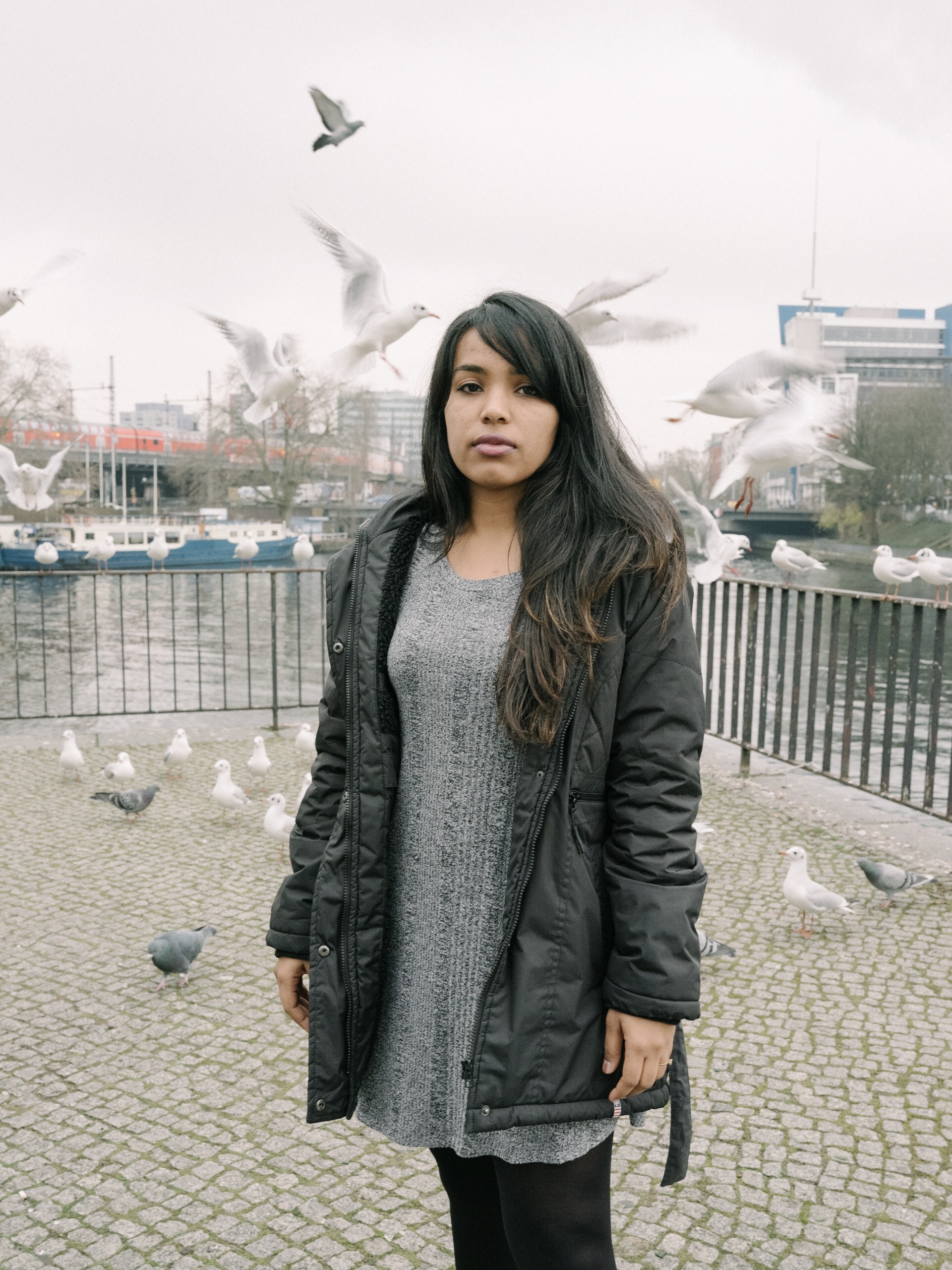
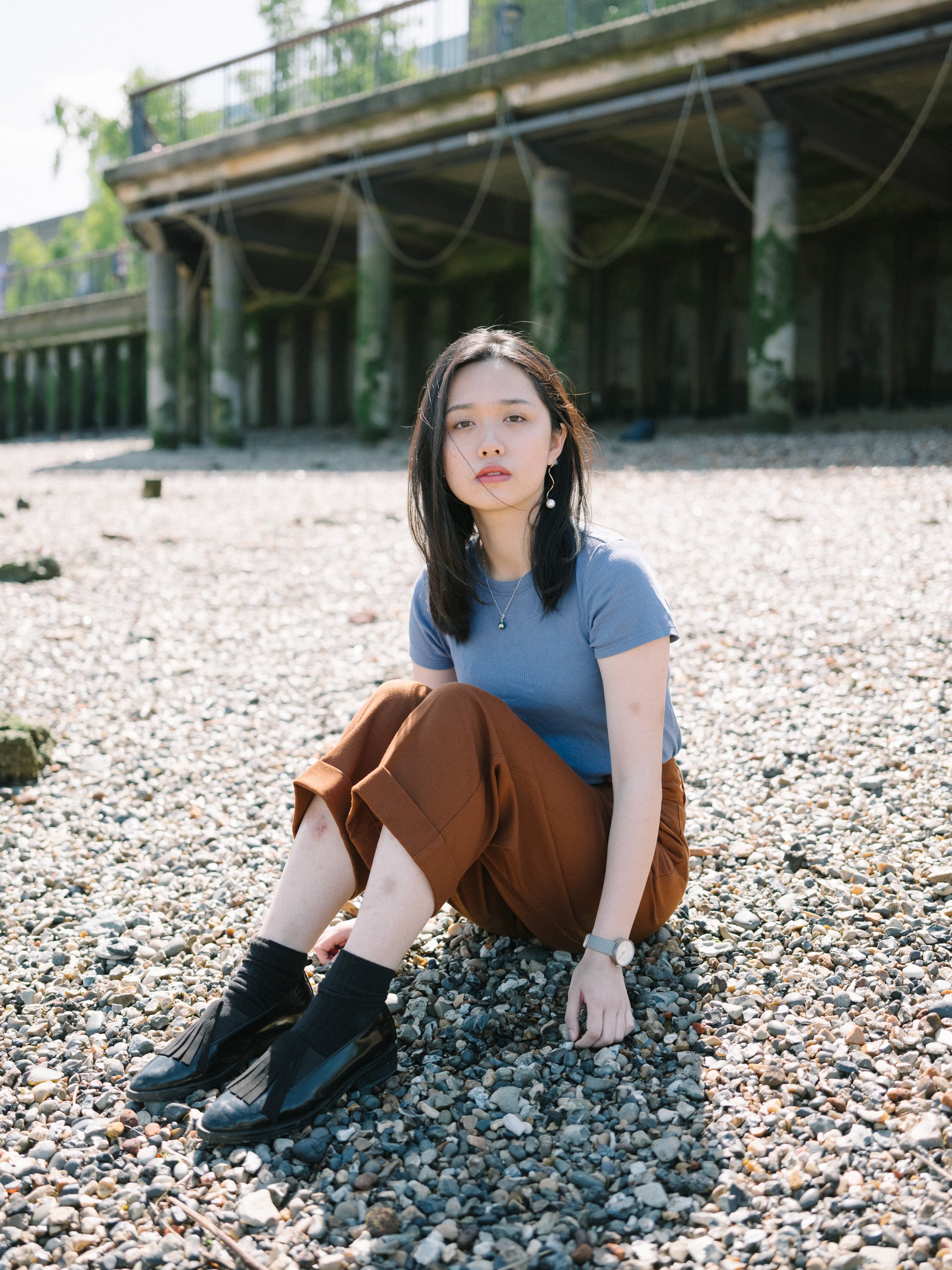
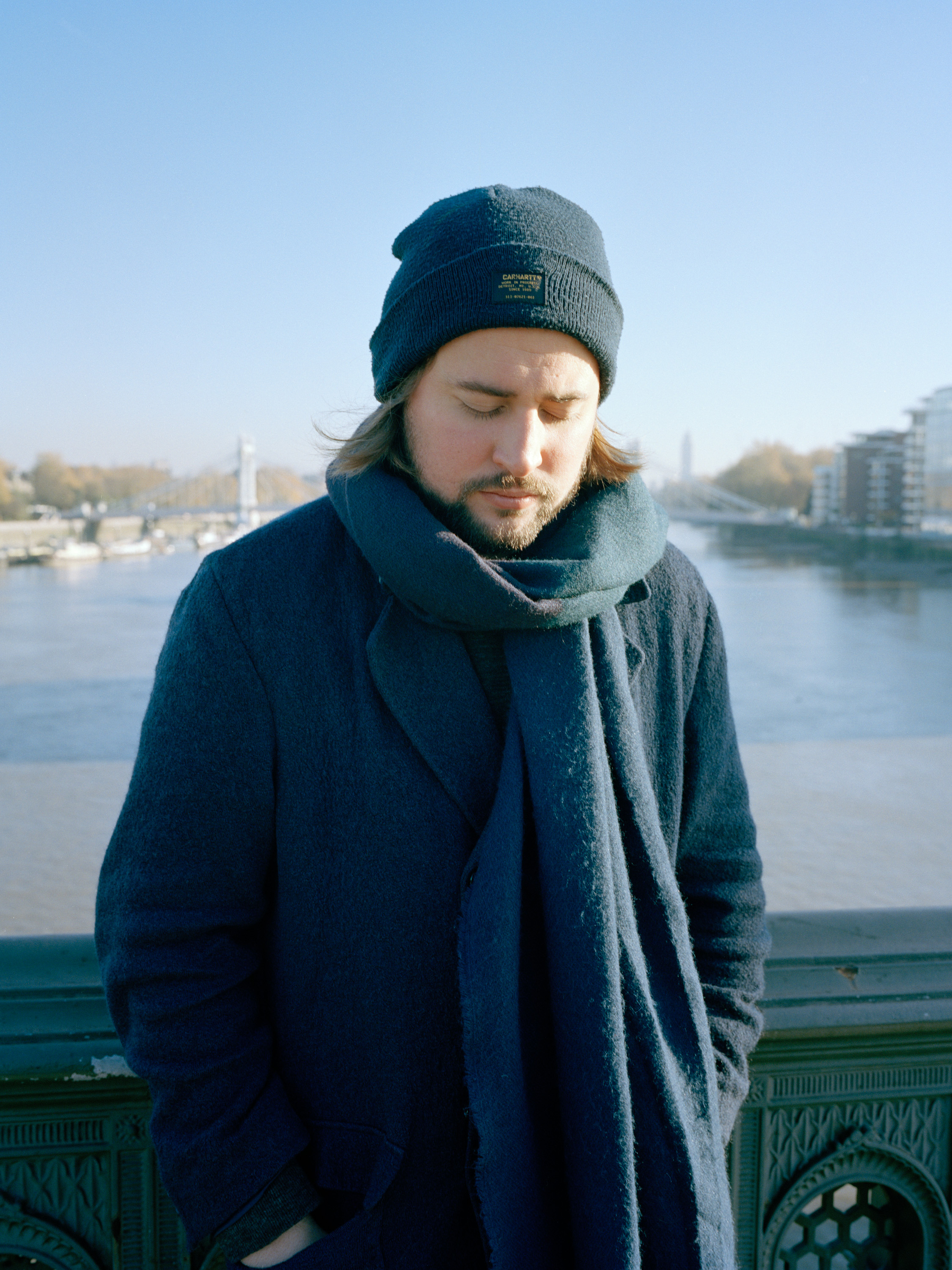
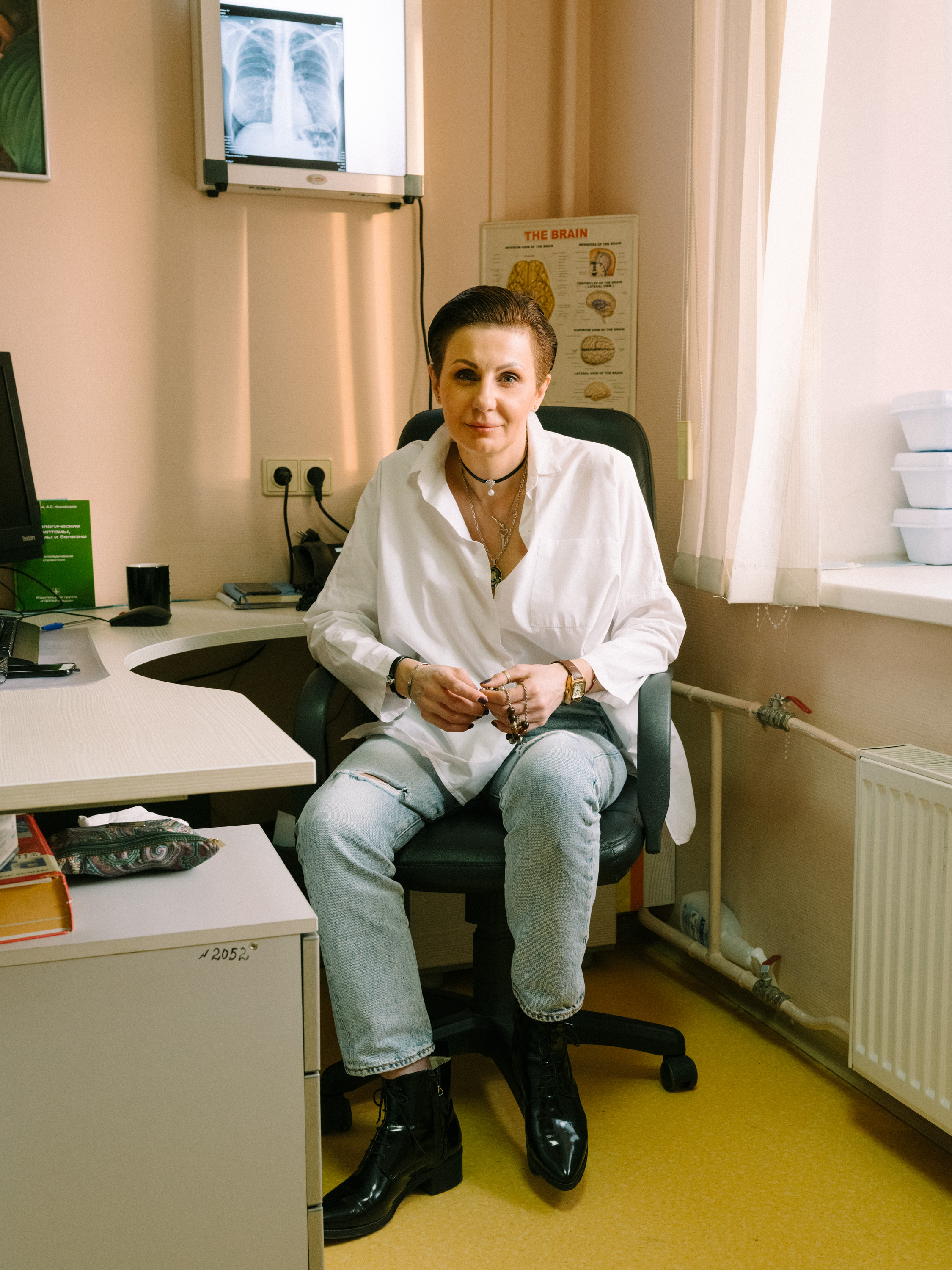
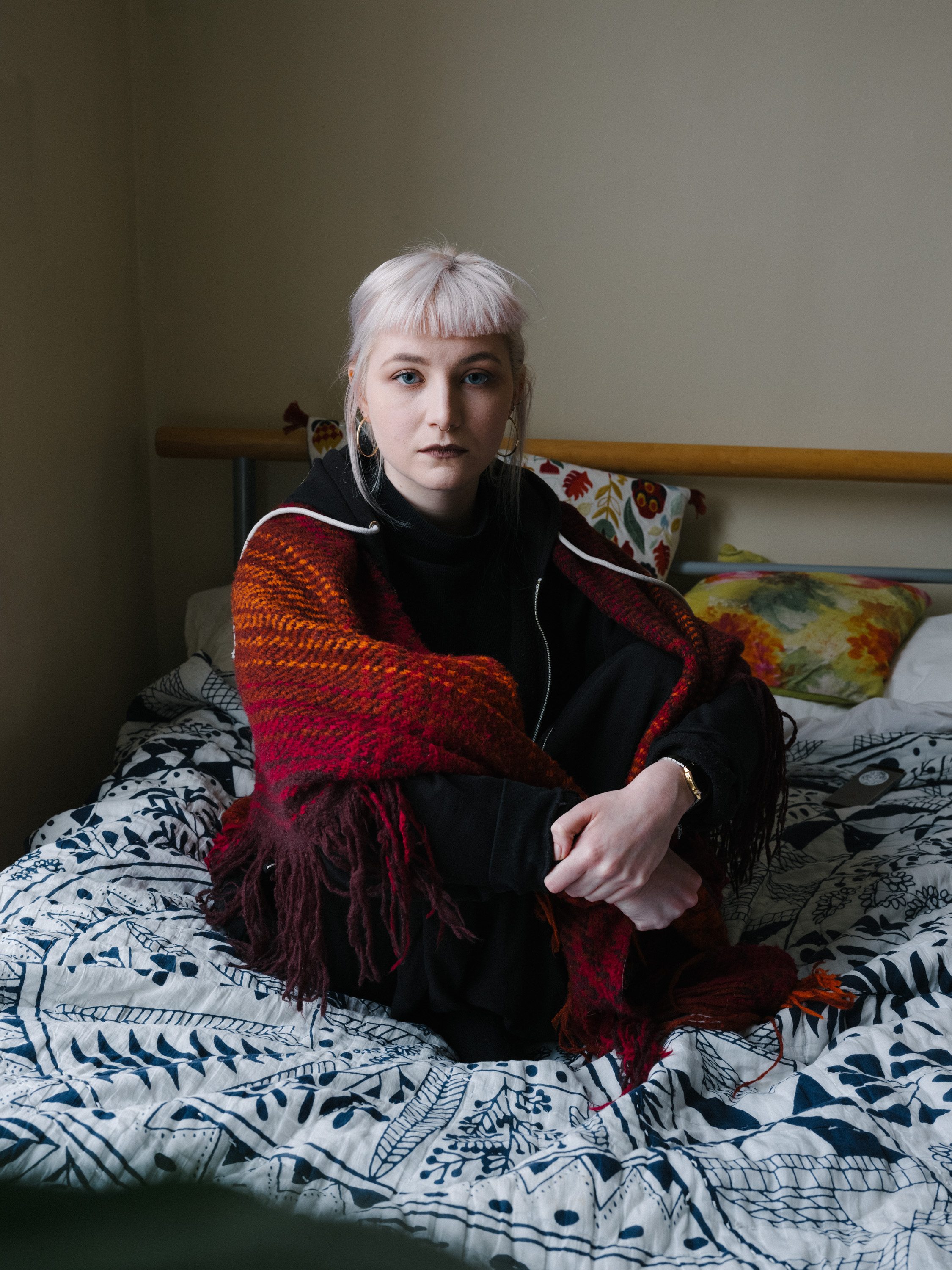
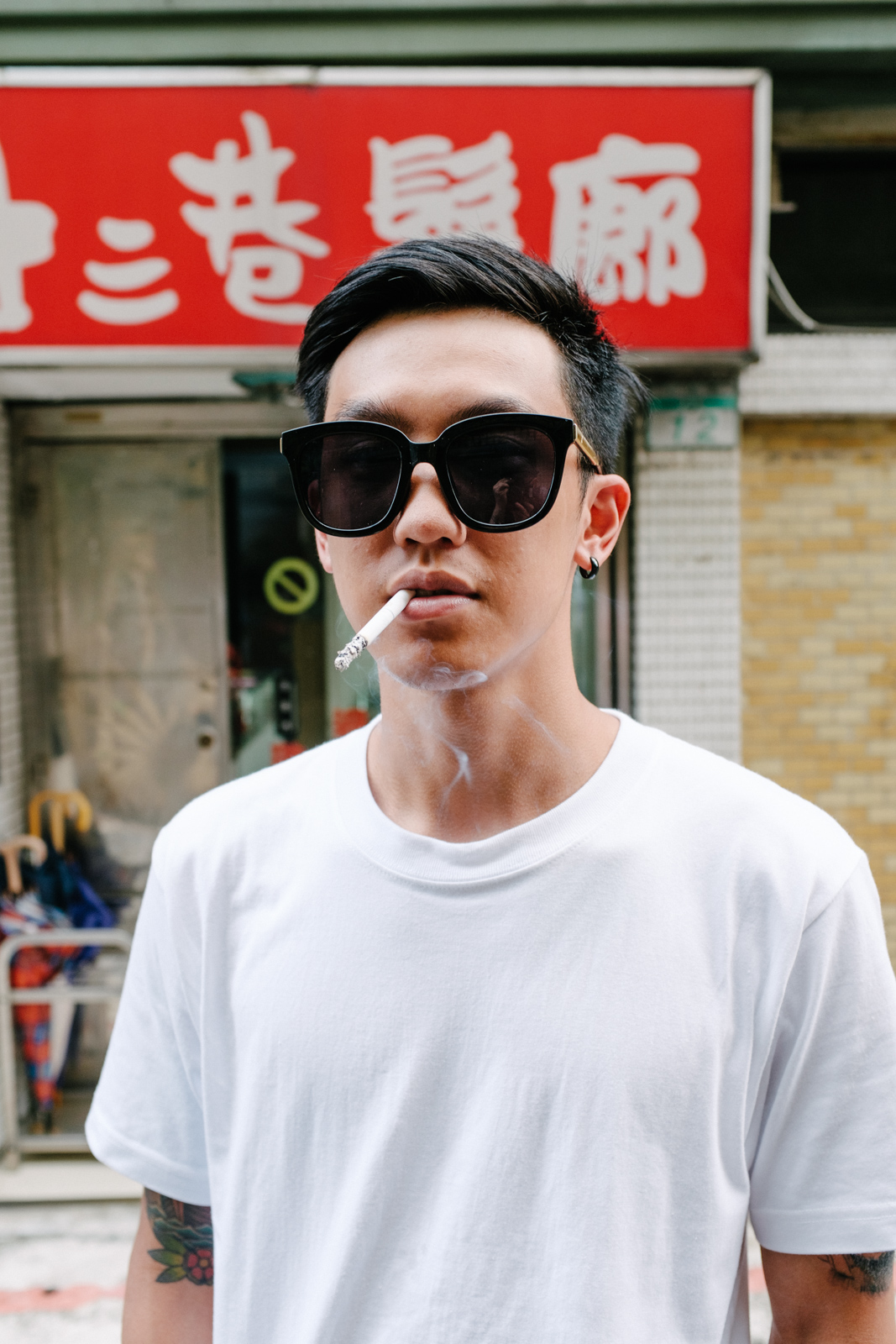
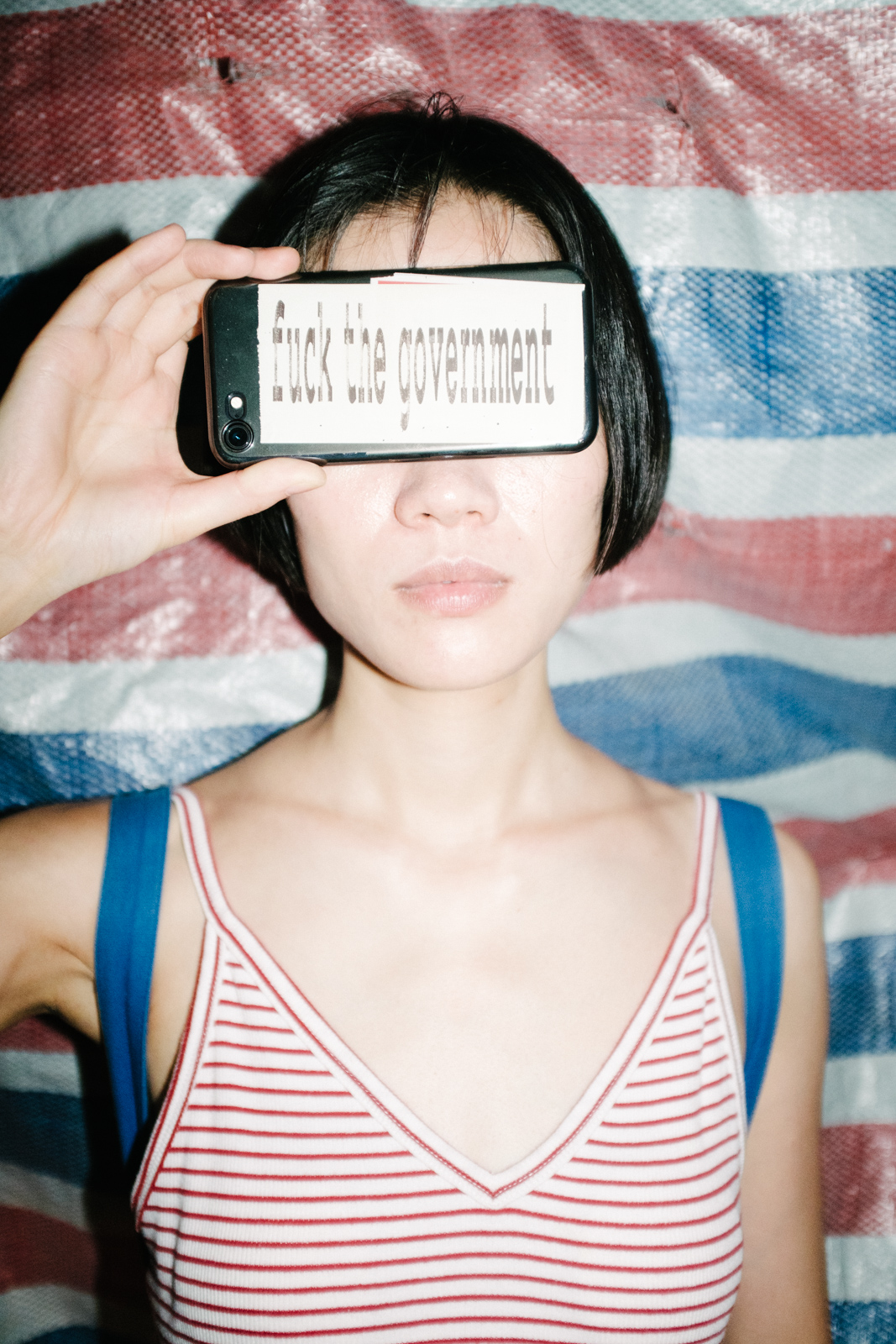
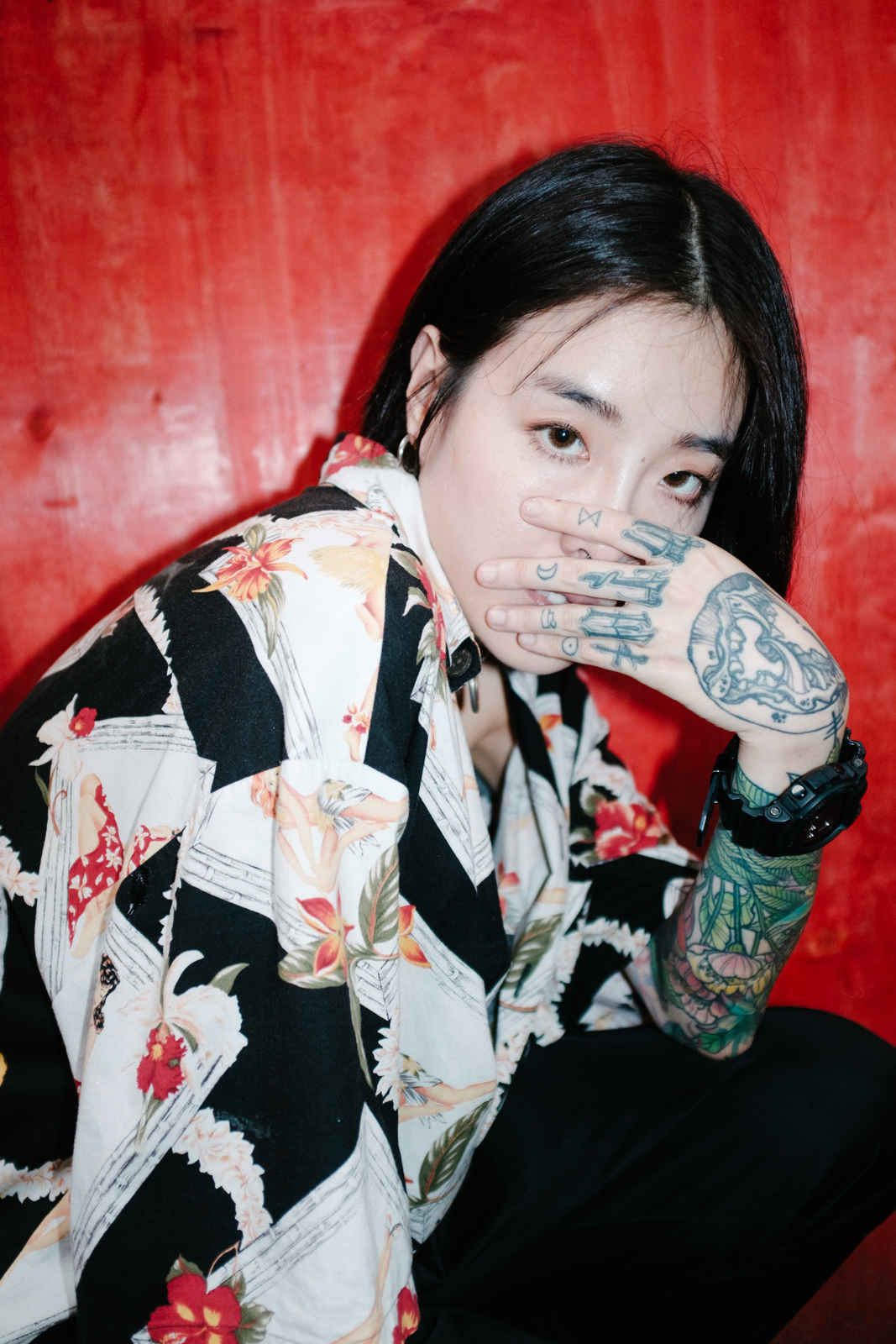
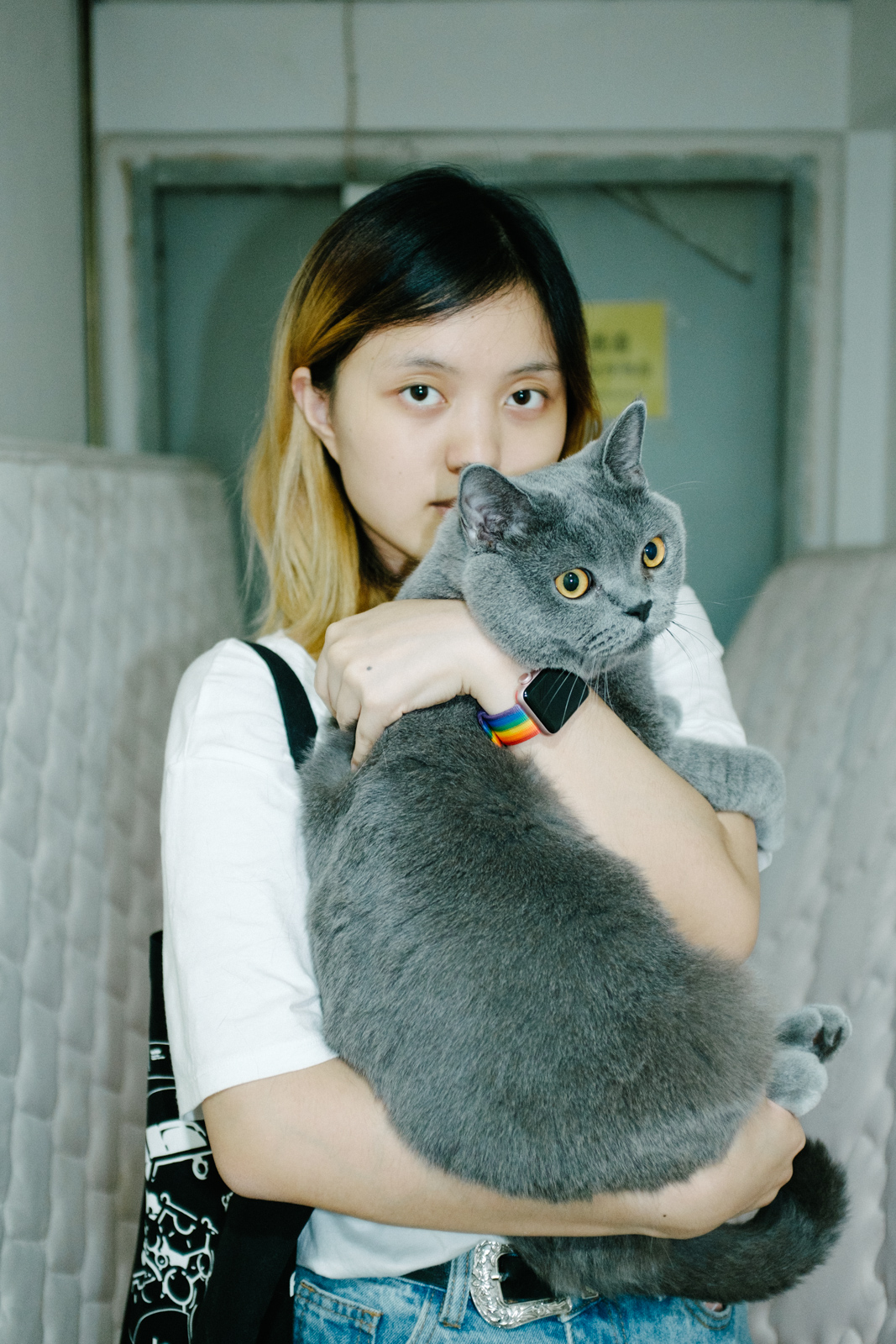
I spent the summer of 2018 in Beijing, interviewing and photographing
Chinese citizens who had spent a few years abroad before returning to live
in China. The people I spoke with — mostly young adults — came back to a
country that’s experiencing transformative growth that mirrors the one in
their own lives. They often grew up in smaller provincial cities, but their
experience abroad has catapulted them into an elite, as major Chinese and
international companies vie with each other to employ them, giving them
opportunities that are out of reach for the vast majority. Although they are
by all accounts successful, these Returnees are still finding their way
forward, trying to reconcile their new careers, their experiences abroad,
and the social and family expectations that come with the reality of
coming back home. It is these frictions — and how they are dealt with — that
this project seeks to explore.
The photographs are presented here paired with a short story titled
“Different Worlds”, by writer Hengtee
Lim. His book, “Something
Like Hope”, is out now.
— “Returnees 海归” has won a honourable mention in
the 2019 PX3 Prix de la Photographie Paris competition. The project
was also selected for a portfolio review by the Bourse des Amis du Musée
Albert Kahn.
“I was not the first in my family to go to university, but I was the
first to study abroad. My parents have supported me all the way.”
Before she left again, Min said the world had changed. It was not something
she could see or explain easily, and yet she was sure something was different.
When I asked, she said it was like opening a book she had read a long time
ago, and realizing the story was not as she remembered it.
“The words are the same as they always were,” Min said, “but now there is new
meaning in them, and I can no longer see them any other way.”
I thought of the books I’d read with this concept at their heart — where the
characters discover hidden truths beneath a surface of well-crafted lies — and
how I could always put them down and return to the life I knew. But for Min it
was different. The world was a story she wrote as she went; she could not
simply put down the book, because the book was her life.
I met Min at the airport when she came home from studying abroad. She had a
small suitcase, a backpack, and a plastic bag full of miscellaneous
souveniers. Her hair was a mess and her eyes had the look of someone who has
spent far too long in a confined space with other people.
“Thanks for coming to pick me up,” she said.
“I didn’t expect you to ask,” I said.
“There was nobody else.”
“Ah.”
I had wanted to ask Min about her trip, but she was asleep by the time I
started the engine of my little Toyota. She slept the entire way to the
apartment building where I lived, which was where her parents lived, and so
where she would also live until she found a place of her own, or got married,
or otherwise left again.
It struck me then that she had been gone three years. Had it really been that
long?
“I'm glad that I came back. The job I have now has been my dream job for years.”
When the elevator stopped at her floor, Min handed me a package.
“What’s this?” I asked.
“They’re cookies. They’re very good. My first month at school, a friend gave
me some and I couldn’t stop eating them. I put on so much weight. I couldn’t
show my face to mom because I knew what she would say. I did yoga to try and
balance things out, but I still couldn’t stop.”
“You did yoga?”
Min laughed.
“Yes,” she said, and then she left.
Yoga. Perhaps three years really had been that long.
That evening, I chewed on a cookie and stared out the open window,
half-listening to the noise that bled from the television, and half-listening
to the city as it breathed in the night.
I had the strong sense that Min had changed; as though little bricks of new
experiences had built her into a new person. I imagined that if we put a photo
of us now next to a photo of us then, it would be like pictures of Min
standing next to the same cardboard cut-out, because I was still the same as I
was when she left; I lived in the same apartment, worked the same job, and did
all the same things. The only difference now was the cookies.
And they were all too sweet.
Min and I sometimes met outside my room on the eleventh floor. Our apartment
block was a giant structure that made me think of an ant hill diorama cut down
the middle so you can see what’s inside. Min and I would stand outside smoking
cigarettes and looking down at the city, a maze of small homes and businesses
among giant apartment buildings like dinosaur fossils people had turned into
homes. We talked until our cigarettes burned down to their butts, and then
flicked them off the side.
Just like old times.
“The most valuable thing I brought back is critical thinking. It's a
competitive advantage, but sometimes, it creates some problems for me.”
“People keep asking me how my time away was, but they never really listen to
my answers,” Min said.
“What do you mean?”
“They’re more interested in what I’m going to do now that I’m back.”
“Oh.”
“Everybody wants to know the same thing. What will you do now? How will you
settle into your future back home? Where are you working? When are you getting
married?”
“They would ask that even if you never left.”
“But now it’s like I have to make up for lost time.”
“I see.”
“But it’s kind of old fashioned, don’t you think?”
“It’s the generation gap, isn’t it?” I said. “Our parents are from a different
time.”
Min shook her head.
“I don’t know. Since I got back, it feels cultural. Experiential.”
“Experiential?”
“How can I express to these people that I’ve seen parts of the world that have
fundamentally changed me, and that those experiences have fundamentally
changed the place I call home?”
I was not sure how she would express that idea even to me.
“I don’t know,” I said.
I thought of the world as seen through an old, forgotten camera, and I flicked
another cigarette over the edge.
“That year was a gift from my parents. For a whole year, the doors of he
cage were open... but now, it's back to reality.”
“Do you still make movies?”
“Movies?”
“You know, like the ones you used to shoot around the city.”
I shook my head.
“Not anymore. I haven’t done that in a long time.”
“Why not?”
“I don’t know. Life, I guess? After I graduated, I had to look for work. Then
when I got work, dad wanted me to spend more time at the store. So I had to
look for new work, which I did. Things evened out. A routine took shape. Life
started to feel like I was writing the same page over and over again. If I
shot movies of that, it would be like shooting the same footage every day. Not
so interesting.”
I thought of an old box under my desk. Of cameras, USB sticks, and photo
albums. I thought of dreams both hoped for and lost.
“I liked those movies,” Min said. “You always seemed to find something
beautiful to shoot, even when it was boring on the surface.”
After Min left, I stayed outside. I calculated how long it had been since I
last shot a video. Three years, give or take. Had it really been that long?
That night I dug through the old box under my desk. I plugged my old video
camera into the wall, and poured a collection of USB sticks onto my bed. Five
years worth of work, I thought. How many movies?
I spent the rest of the evening copying the contents of the USB sticks to my
computer and watching them in no particular order. I sipped at a glass of red
wine while an old Beatles album drifted through the window from on an old CD
player a few apartments down.
The movies I had made weren’t anything special. They were shopping arcades in
the morning, food markets on the weekend, and congested traffic on the way
home. They were people playing mahjong in smoky parlors, old men sharing old
stories, and kids drinking by the light of a vending machine. They were
everyday life in the town I called home, and yet somewhere in that flow of
images was a feeling I had forgotten. Nostalgic, curious, and inquisitive.
Exploratory. Hopeful.
Where did that part of me go, I wondered?
Perhaps three years really had been that long.
“I thought a Chinese student wouldn't be taken seriously, but actually
my university's library has purchased my work for its permanent
collection.”
“What are you doing?” Min said.
I peeked my head over the video camera.
“Isn’t it obvious?”
“I thought you gave that up.”
“I did.”
“What happened?”
I shrugged.
“I started again.”
“Then stop again.”
“It’s fine,” I said. “Don’t worry about it. Just act like I’m not here.”
“How?”
I shrugged.
“Just act like you normally do.”
Min laughed.
Just like old times.
“Tell me about it,” I said. “Tell me about your time away.”
We sat at a food stall, sipping at beer over steaming bowls of noodles while
the sounds of drunken reverie and passing traffic swirled around us.
“It was different,” Min said. “I mean, I knew it was going to be different,
but when you’re in a different place and a different culture, and you share it
with completely different people, some of that rubs off on you. You change.
You can’t not.”
“And it stays with you, I guess?”
“It’s not just that. It changes your perspective. Maybe not everyone’s, but I
know it changed mine. A lot of what I thought of as life stopped being
clear-cut. Family, gender, study, career, romance; it used to be a neat little
box I lived inside until I realized there was a world outside of it.”
“A part of me always wondered if that would happen,” I said. “When you left, I
mean.”
Min nodded.
“I’ve always felt like an outsider, even at home,” she said. “I always felt
different. But it was internal. I looked like everyone else, so I felt a
pressure to be like everyone else. When I went overseas, that feeling wasn’t
internal anymore. It was external too. I didn’t just feel different, I was
different. In its own way, that was a kind of freedom for me.”
The words felt like sand slipping through my fingers.
“So why did you come back, anyway? Why didn’t you look for work over there?”
Min looked at her drink.
“I felt like I had to,” she said. “I just… I felt like I had to. I don’t know
how else to say it.”
I thought a lot about Min’s words, even after she left for home. I thought of
all the little things in my life that together formed an anchor; culture,
family, responsibility. And all of it for what?
I didn’t really know.
“I used to fight with my parents all the time about politics, but now,
having been abroad, I understand that China has a specific path it needs
to follow.”
I saw my life at the time in black and white. I woke up, did some computer
work, went to the store, did some more computer work, went home, ate, watched
television, then went to bed. I did some variation of this same routine every
day, which was fine because I was a monochrome person in a monochrome
community. Black and white was fine for us, because we didn’t know what color
was, really. It didn’t suit us.
Min, on the other hand, was like a color character who didn’t fit anymore.
Nobody around her knew how to deal with the vibrancy, and now that she’d
changed, she no longer knew how to deal with us, either.
But as I watched her through the snippets and shots I gathered on my camera, I
knew that her color was fading. The environment was draining it from her, and
I knew that in time she would become a husk of the color that was; still
different, but at least the same black and white as everything else.
And though I felt compelled to capture this slow fade on video, I also felt
compelled to help Min find a way back to the color she’d found while she was
away. For better or for worse, some small part of me hoped I might help her
find new colors, even if the old ones faded.
I saw this as the curse of the hopeless romantic.
“People ask me if I’m going to get married and I can’t work out why I need to
hurry,” Min said. “What is 30 outside of a number? Why that and not 29? 31?
40? Who decides?”
It struck me then that I’d never really thought about marriage. The timing,
the traditions, why to do it in the first place. Why so many futures seemed to
hinge upon it.
“I guess… it’s just the way things are here.”
I thought of a rainy day and two dumb kids smoking on a rooftop. I remembered
one of them thinking about marriage. Thinking about how to ask and wanting to,
but inevitably doing nothing.
How far we’ve come, I thought.
“Maybe it is,” Min said. “But I don’t like it very much.”
Our conversation faded into silence, but I let the camera roll on the two of
us smoking, because I imagined it was capturing exactly what I felt, without
us saying anything at all.
“Even though I came back, I feel like my opportunities are not limited
in any way. If a good opportunity comes up anywhere in the world, I will
go.”
From the countless moments I was collecting of the city, and life, and Min
when we were together, an image was forming. A feeling.
A smile on a rainy day. A couple huddled beneath an umbrella in the humid
rain. A longing glance and a lazy cigarette. Two beer glasses sweating on a
bar counter. Laughter. Her voice clear among a shot of food stalls at sunset,
but her words indecipherable. A hand on a steering wheel. A girl walking home
by the light of the moon. Her face in the mirror.
An image was forming. A feeling. A message.
I just didn’t know exactly what.
“I think I’m going to leave,” Min said.
“What? When?”
Min shrugged.
“I don’t know. Soon, probably. Soonish.”
“Why?”
“I’m getting to a breaking point. I don’t think I can take it. People want me
to be someone else. Someone I’m not. Someone I can’t be anymore.”
I pictured running water over a paintbrush. Colors swirling down a sink.
“I see.”
Min looked over.
“Come with me,” she said.
“Where, though?”
“Anywhere. How about Canada?”
“What about the language?”
“You’ll pick it up. I did.”
“What about my family?”
“What about them?”
“What do I tell them?”
“You tell them you’re leaving.”
I laughed.
“Now or after we’ve left?”
“Either or. I guess it depends on you.”
“Have you told them yet? Your parents?”
Min smiled.
“I’m still deciding,” she said.
And although I knew in that moment I was destined to disappoint her, I was
still glad to have caught that particular smile on camera.
“When I was in the U.S., I first learned about things like social
justice. Now that I'm back, of course I have to dial it down a bit, but
I'm still passionnate about it.”
I thought a lot about what Min said over the next couple of weeks. She asked
me again, and she asked me once more after that, but each time I found a way
to avoid an answer, and we returned to our smoking and traffic watching.
In the evenings, as I put together a film from the snippets of the last few
months, I began to realize that exploring the unknown was not my role to play,
but that weaving color into my own world was. I was too weighed down by chains
of culture, tradition, and family; I would not be the one to discover new
worlds and new cultures outside of my own. Instead, I looked to find beauty in
the place I called home.
I began to realize that the parts of Min and myself that had brought us
together were also the reasons we were destined to part.
“Did you know it was your movies that first made me think about leaving?”
“Really?”
Min nodded.
“You had this way of capturing little things about home that I’d never
noticed. Places, people, things. You cut them into your five minute films and
I loved them. But do you remember what happened when you showed them to
people?”
“Not really,” I said.
“Nothing. Nothing happened. Nobody saw it. They saw the places and the people
but they didn’t see the moments that were captured in them. Nobody did. It was
infuriating. It made me want to leave. Find some place new.”
“You give me too much credit,” I said.
“But if they couldn’t see what you were trying to shoot with your movies, what
hope did I have for my photo-portrait series?”
“Do you still take those?”
“No,” she said, “but that’s not really the point. And you know, even now I
feel the same way. The people here, they don’t want to see the world. They
don’t want to experience other ways of life and the wonder in other places. I
tell everyone about the things I’ve seen and the way it’s changed me, but
nobody really listens. Nobody really understands. Nobody wants to try. Not my
parents, not my friends, not even…”
Min paused.
“…Not even me,” I said.
There was a long silence, and then Min nodded.
“Not even you,” she said.
We let a silence fill with humidity and cigarette smoke.
“I’m sorry,” I said eventually. “My place is here. It will always be here. I
do not have your courage. Your spirit. I cannot break free like you did
because in my heart, I don’t think I want to. I’m… I’m sorry.”
Min shook her head.
“You don’t have to be sorry. You are who you are, and I am who I am. It is what it is.”
“You’re really going to do it, aren’t you?”
“This place,” Min said. “It just doesn’t feel like home anymore.”
I nodded.
“You know,” I said, “I’ve been making a movie recently. It’s almost finished.
The first one I’ve made in three years. I could show it to you before you go.”
“Am I in it?”
“You are,” I said.
Min thought for a time, then shook her head.
“No. You’ve probably already captured who I am,” she said, “and that’s still
something I want to find out for myself. How about you turn the camera off for
a while instead?”
So I did.
“Coming back was always the plan. My parents are here, this is my home.”
I drove Min to the airport the day she left. She had a small suitcase and a
backpack, and a plastic bag full of snacks for her flight. Her hair was a
mess, and her eyes had the look of someone who has resigned themself to
spending too long in a confined space with other people.
“Thanks for brining me here,” she said.
“I didn’t expect you to ask,” I said.
“There was nobody else.”
I laughed.
“Ah.”
“I guess this is it, then,” she said.
“I guess so.”
“Thank you,” she said. “For listening. For being a friend.”
There was a look then, in her eyes. A look I wanted to capture. It made me
think of a movie I had at home, and the image that had formed in its sights,
sounds, and scenery. It made me think of the feeling that had nestled into its
rhythms and movements, and I knew now what it was.
It was love. Unrequited, unspoken, and unattainable, but love all the same.
“No,” I said. “I should thank you. For reminding me to see the art in everyday
life.”
There was no kiss, and no hug, and no final words to mark our parting.
Instead, there was the half-smile she gave for what might have been, and the
half-finished pack of cigarettes she gave me before she left.
And then she was gone.
After Min left, I noticed the world had changed. It was not something I could
see or explain easily, and yet I was sure something was different. It was like
opening a book I had read a long time ago, and realizing the story was not as
I remembered it.
I lit up one of Min’s cigarettes and started my car. I thought about the books
where characters discover hidden truths, and the books I could put down when I
didn’t feel like reading them. And I realized that Min had left not because
she was writing her own book, but because she was the book, and she did not
like the author she met when she had returned home.
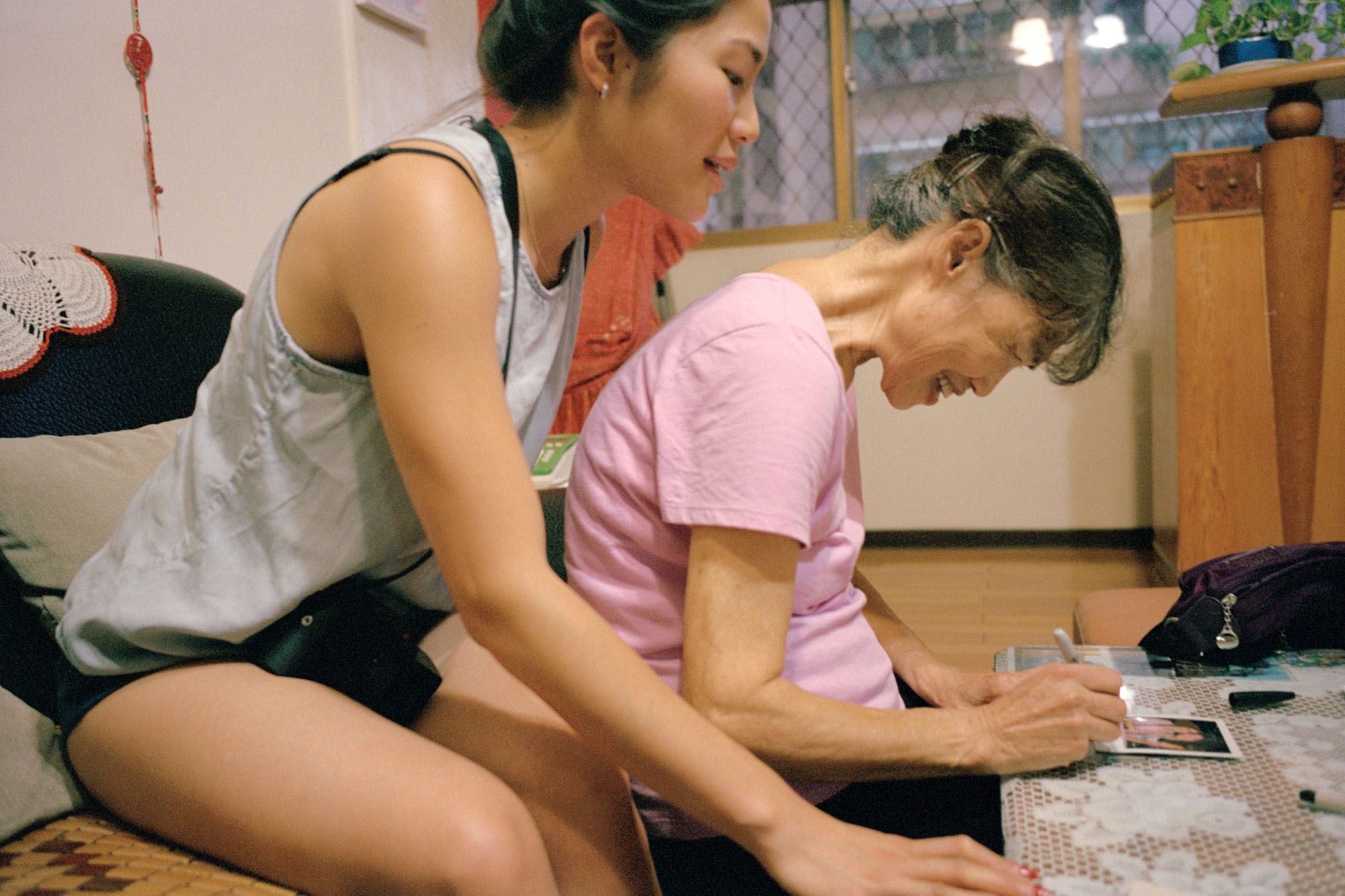
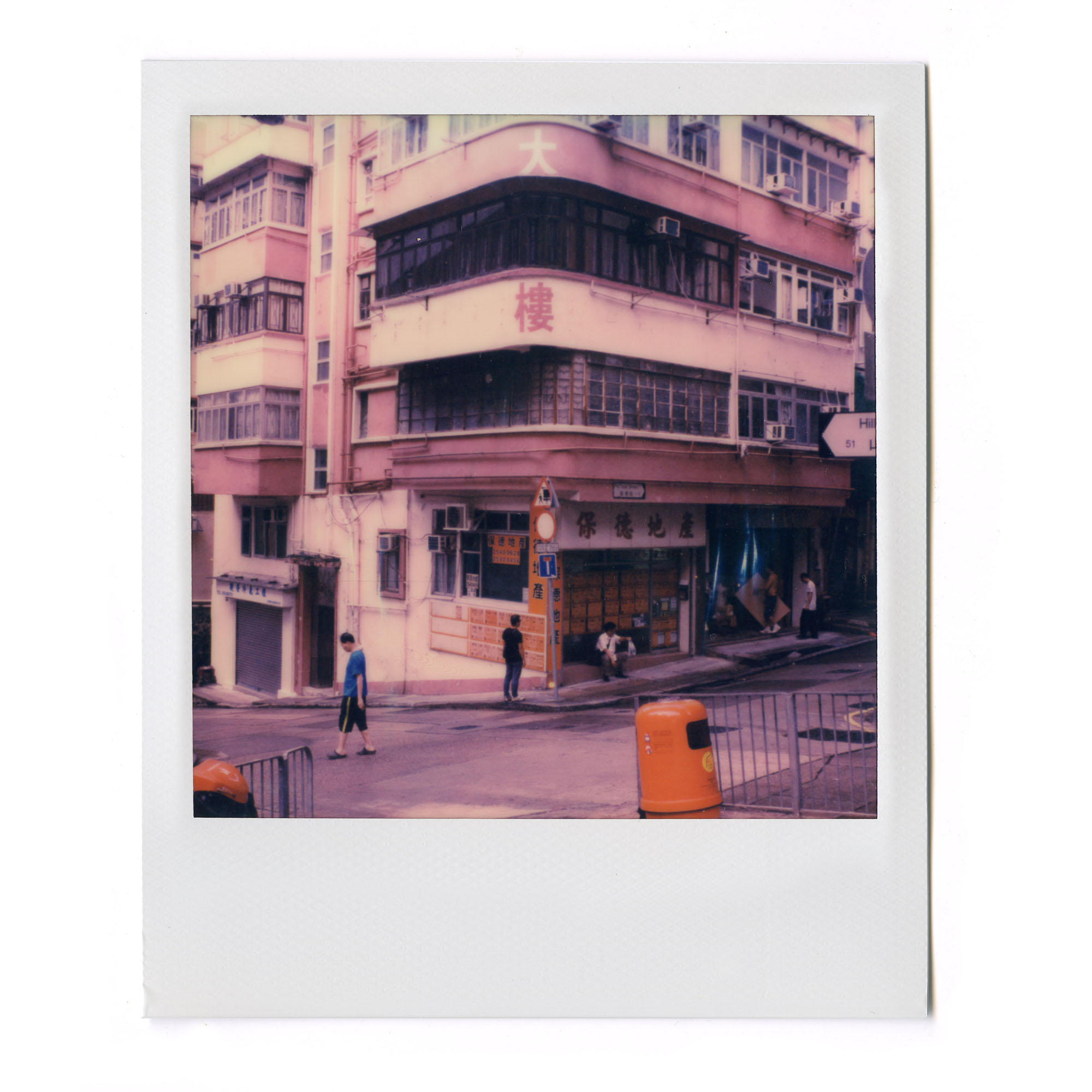
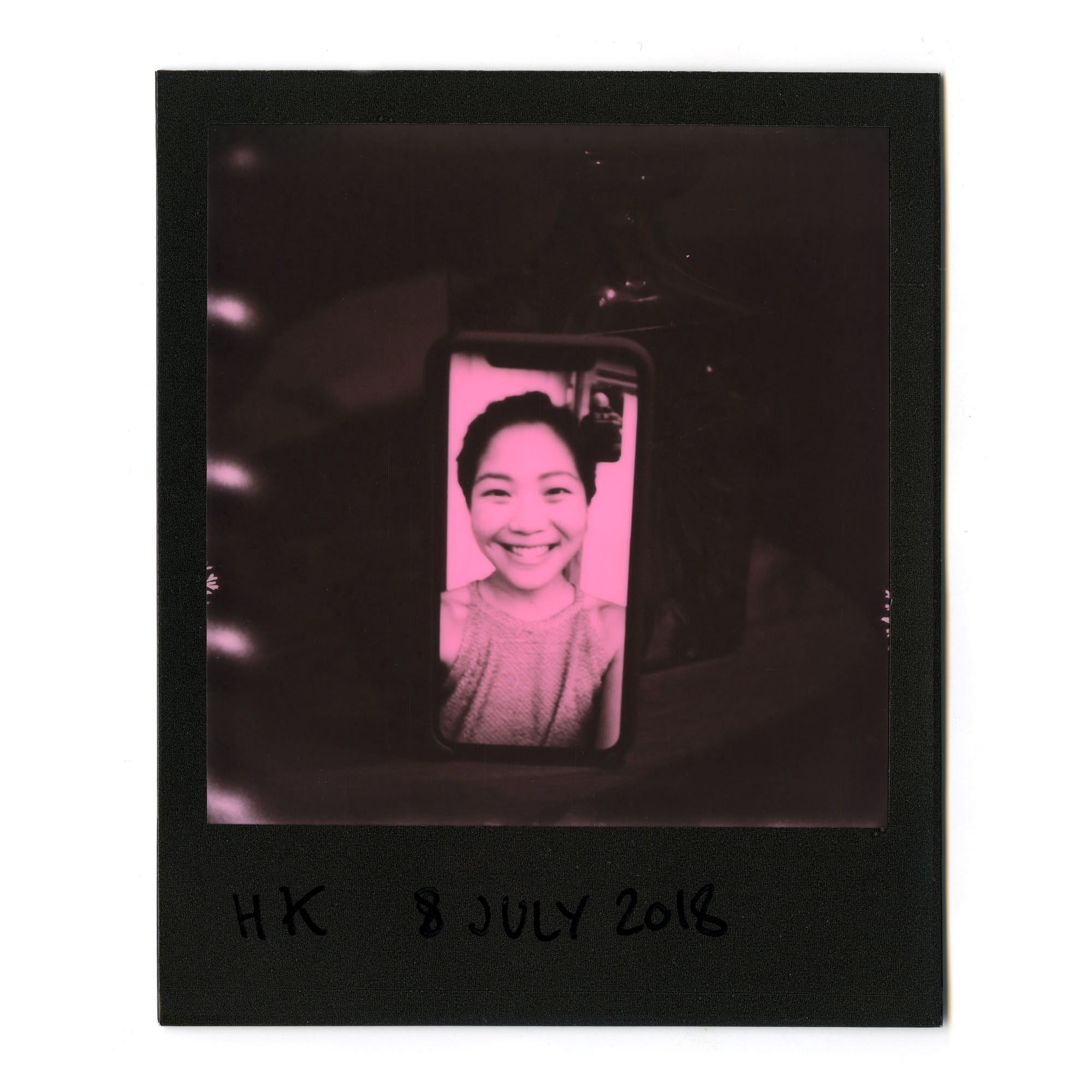
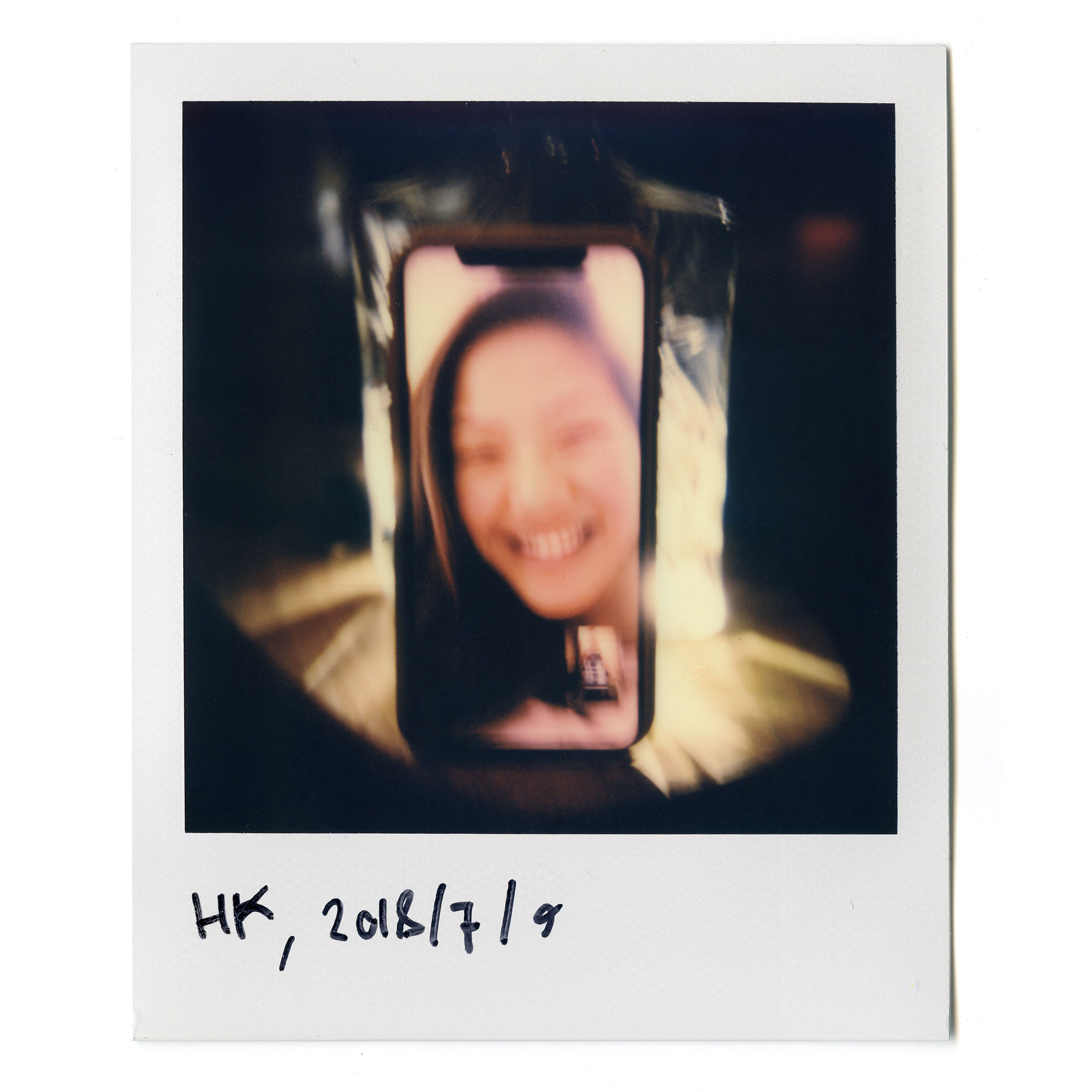
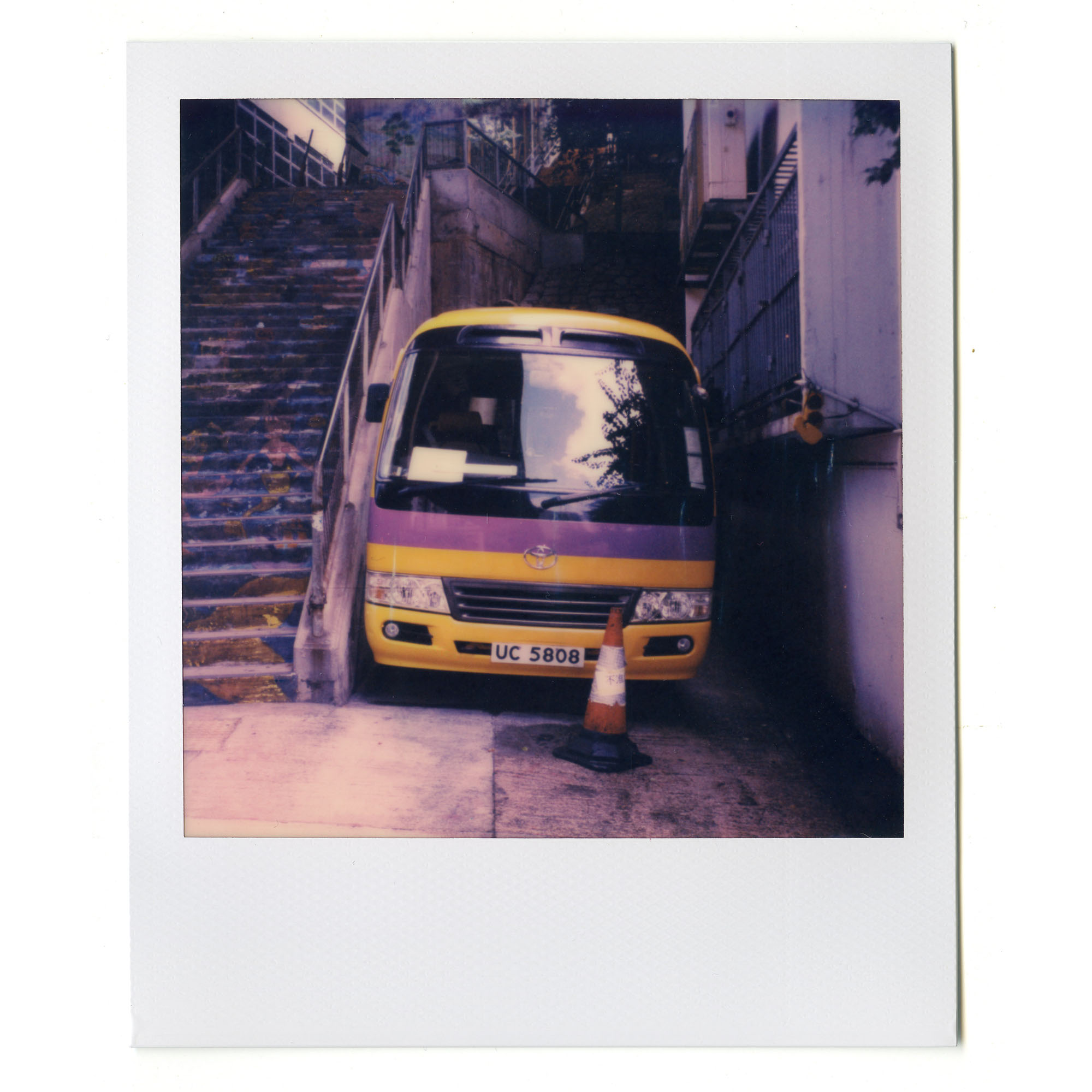
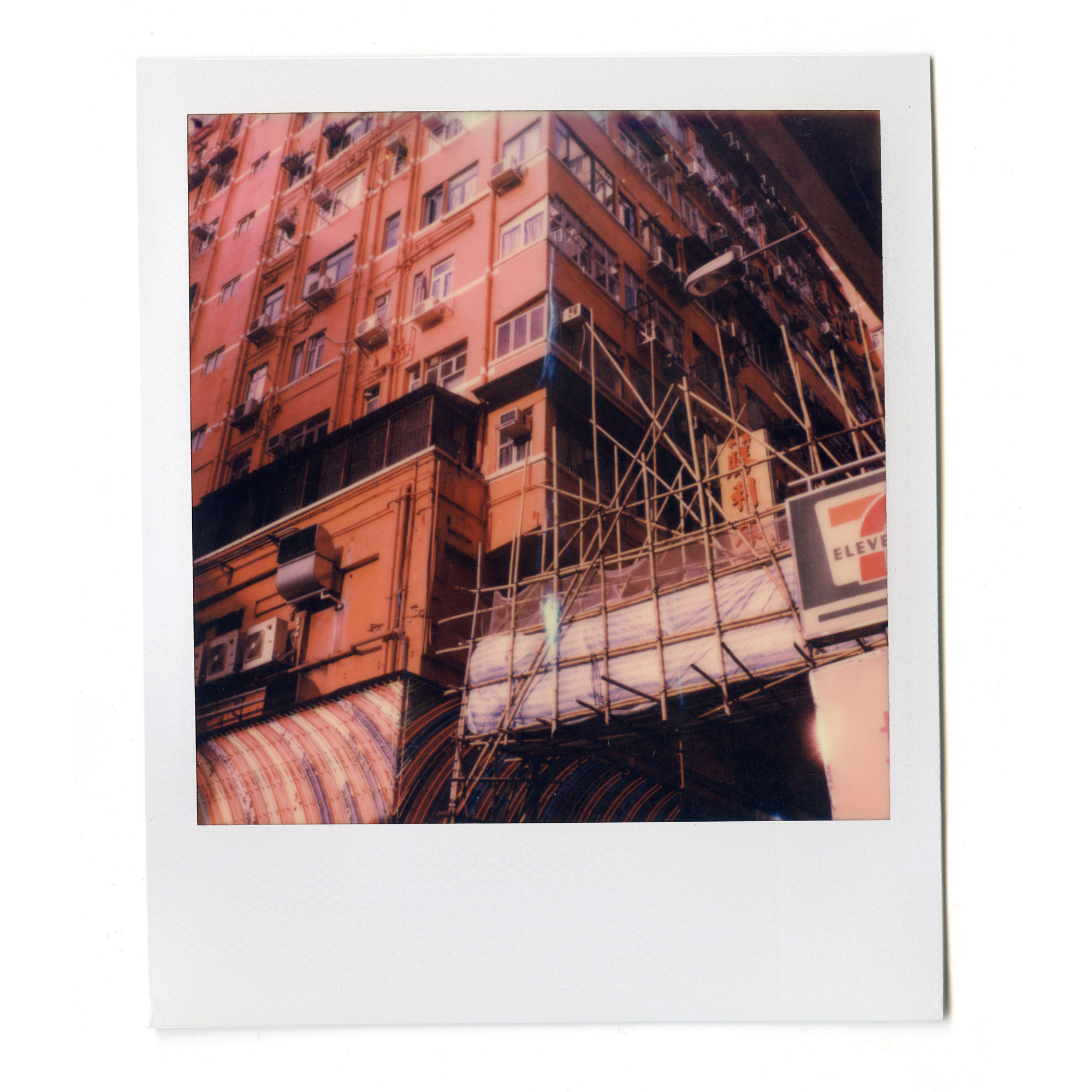
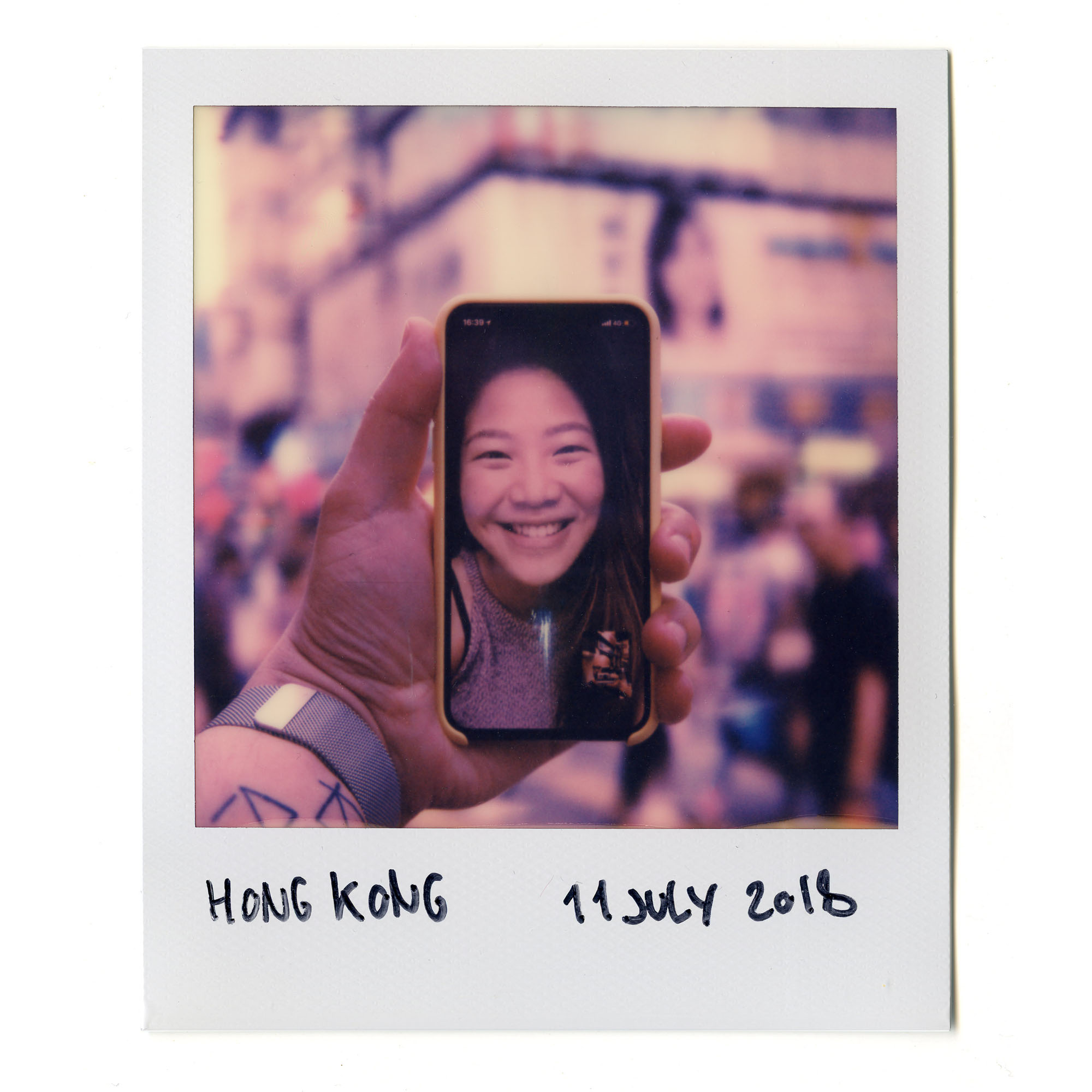
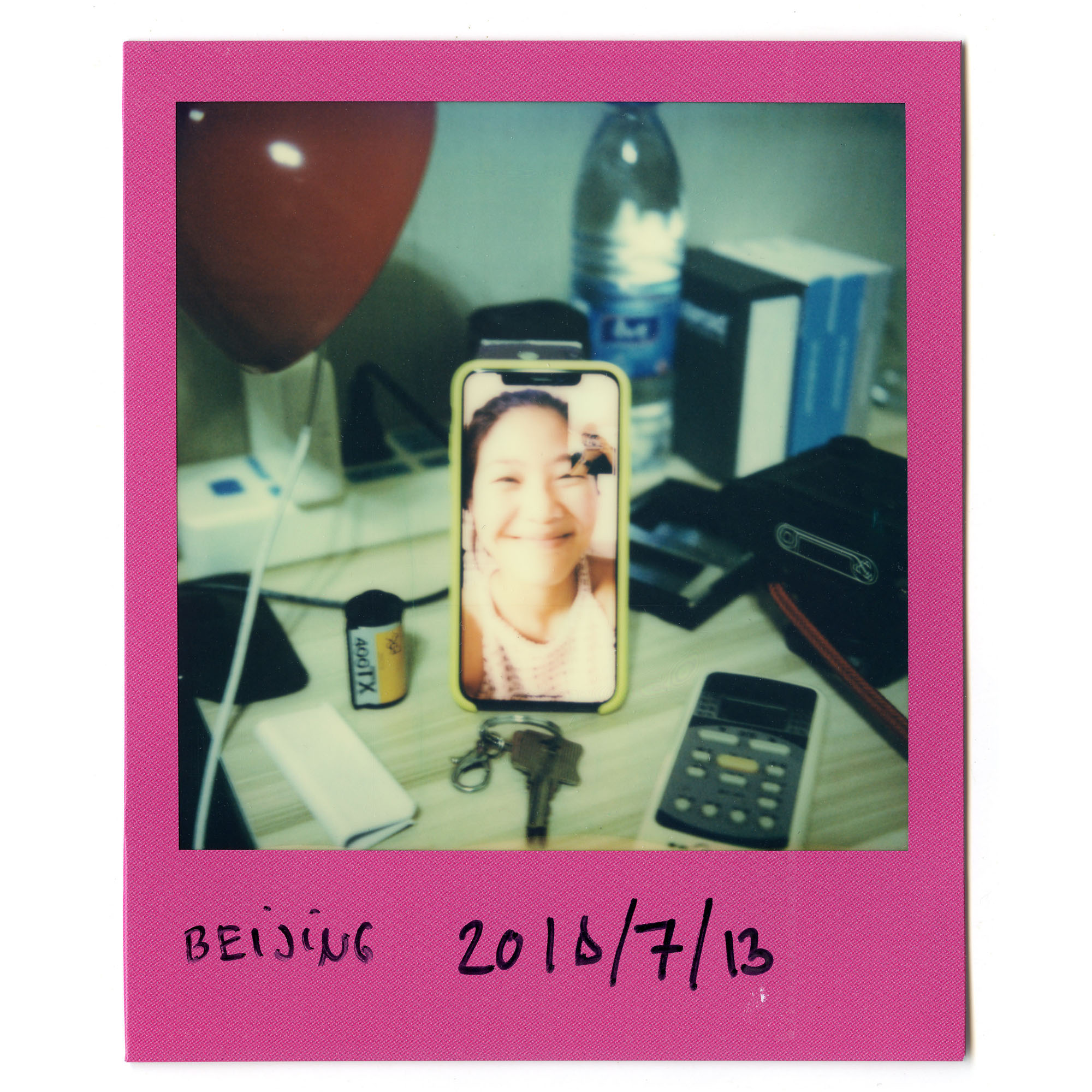
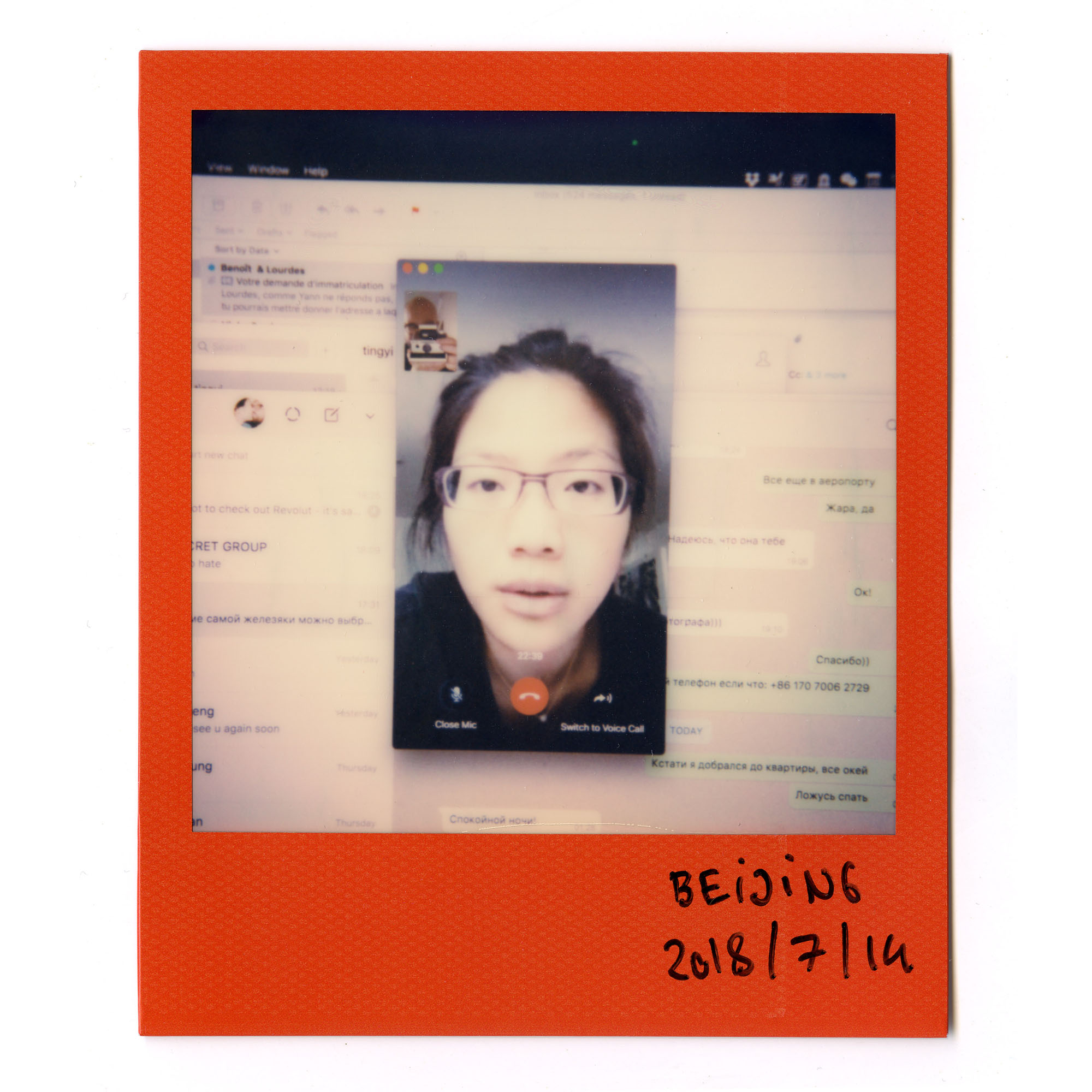
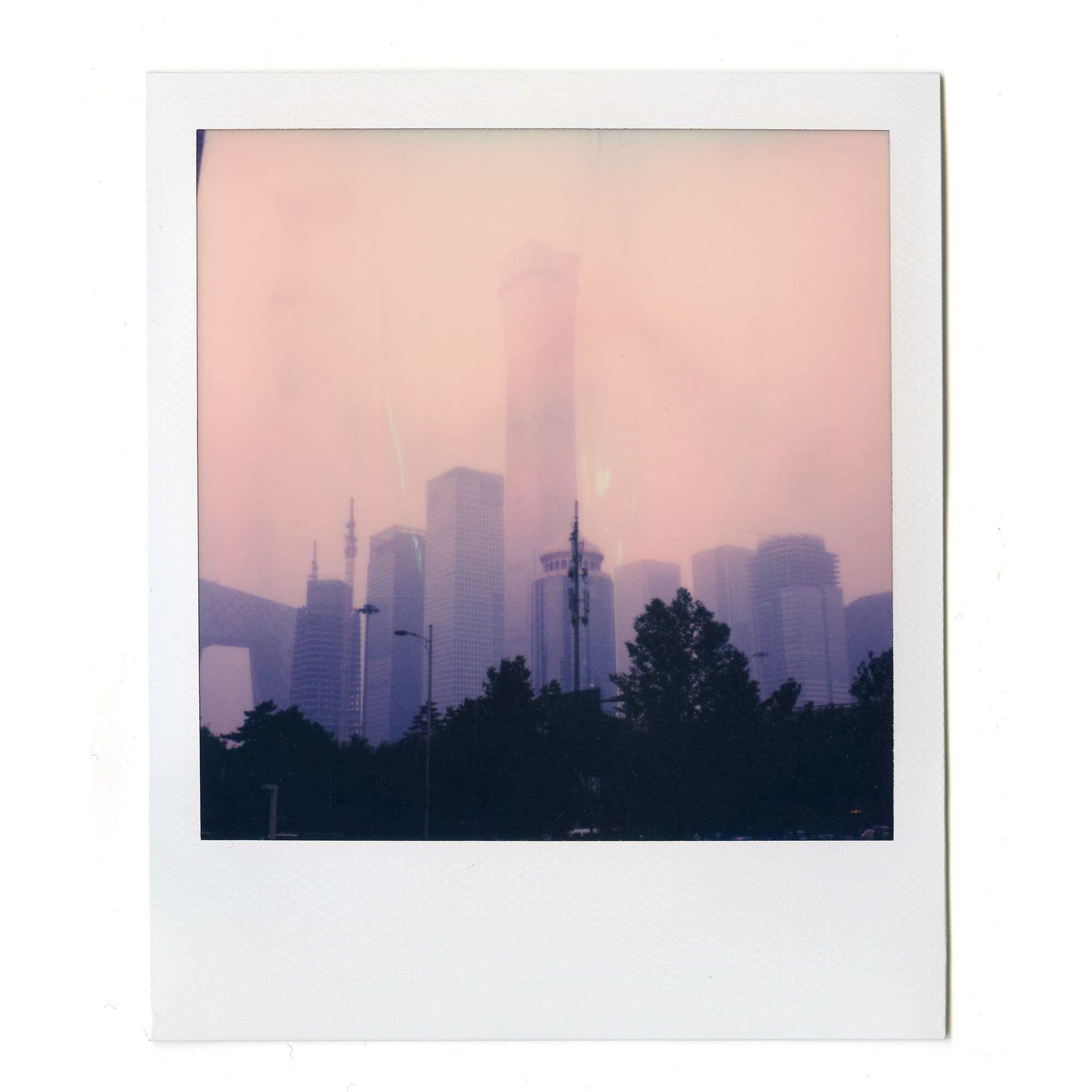
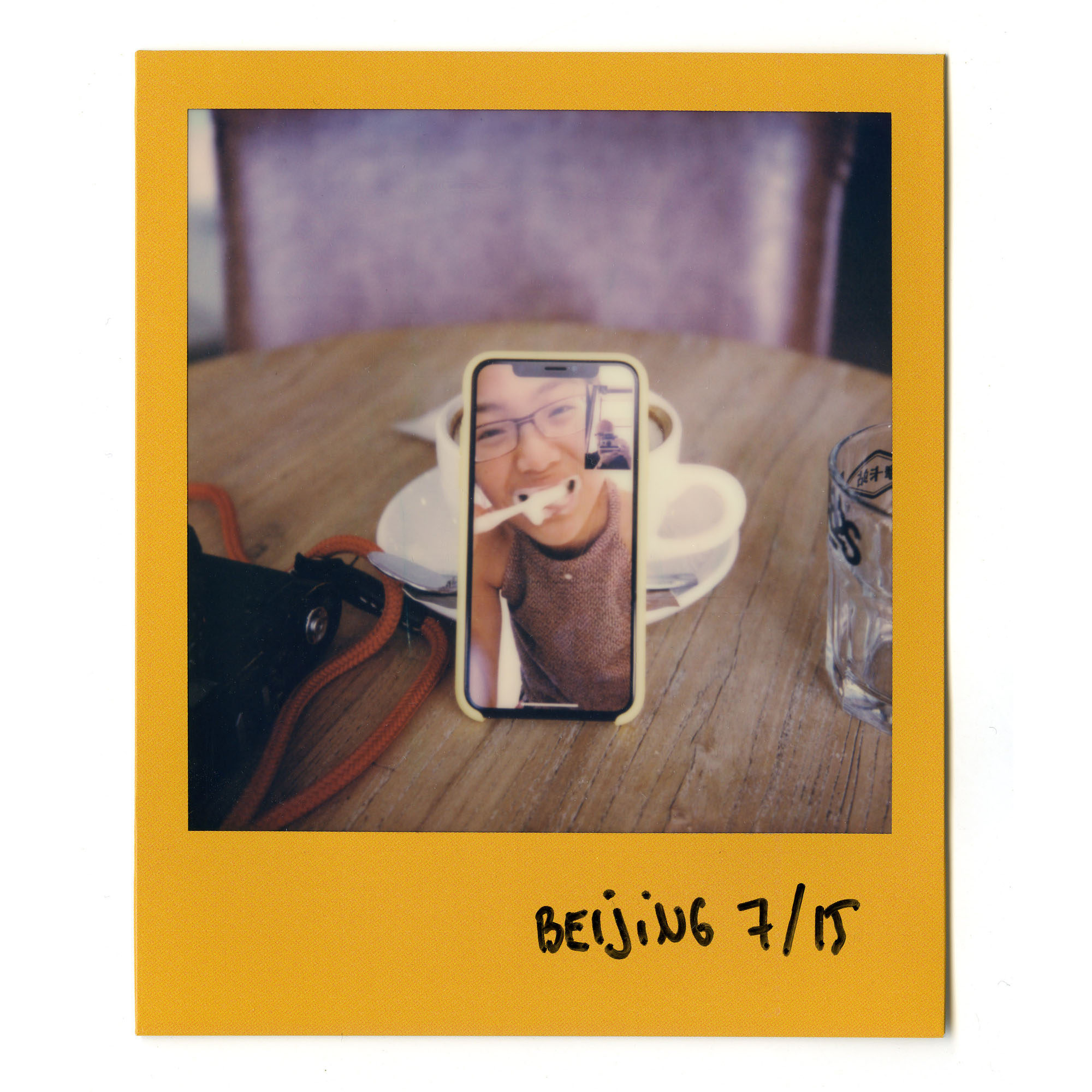
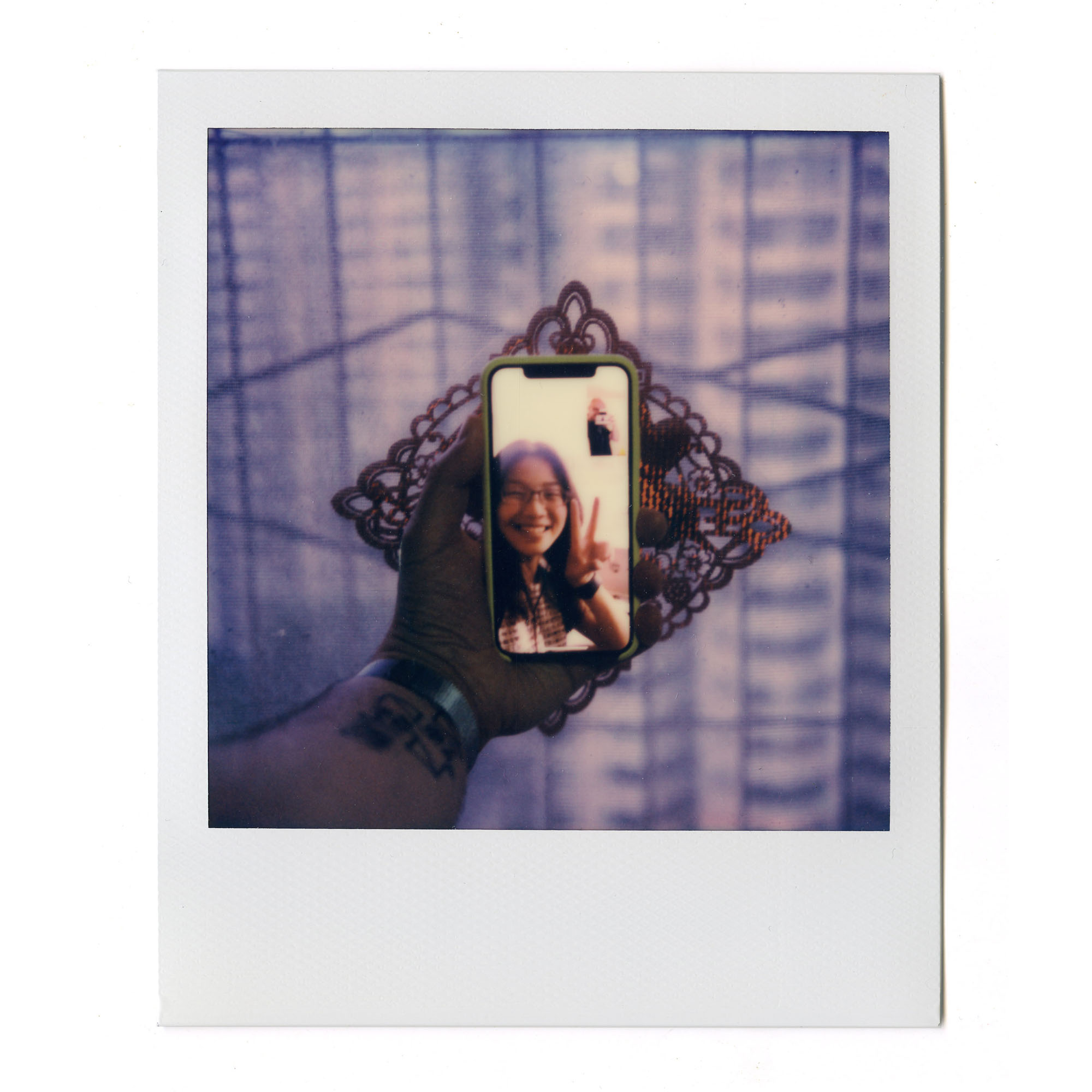
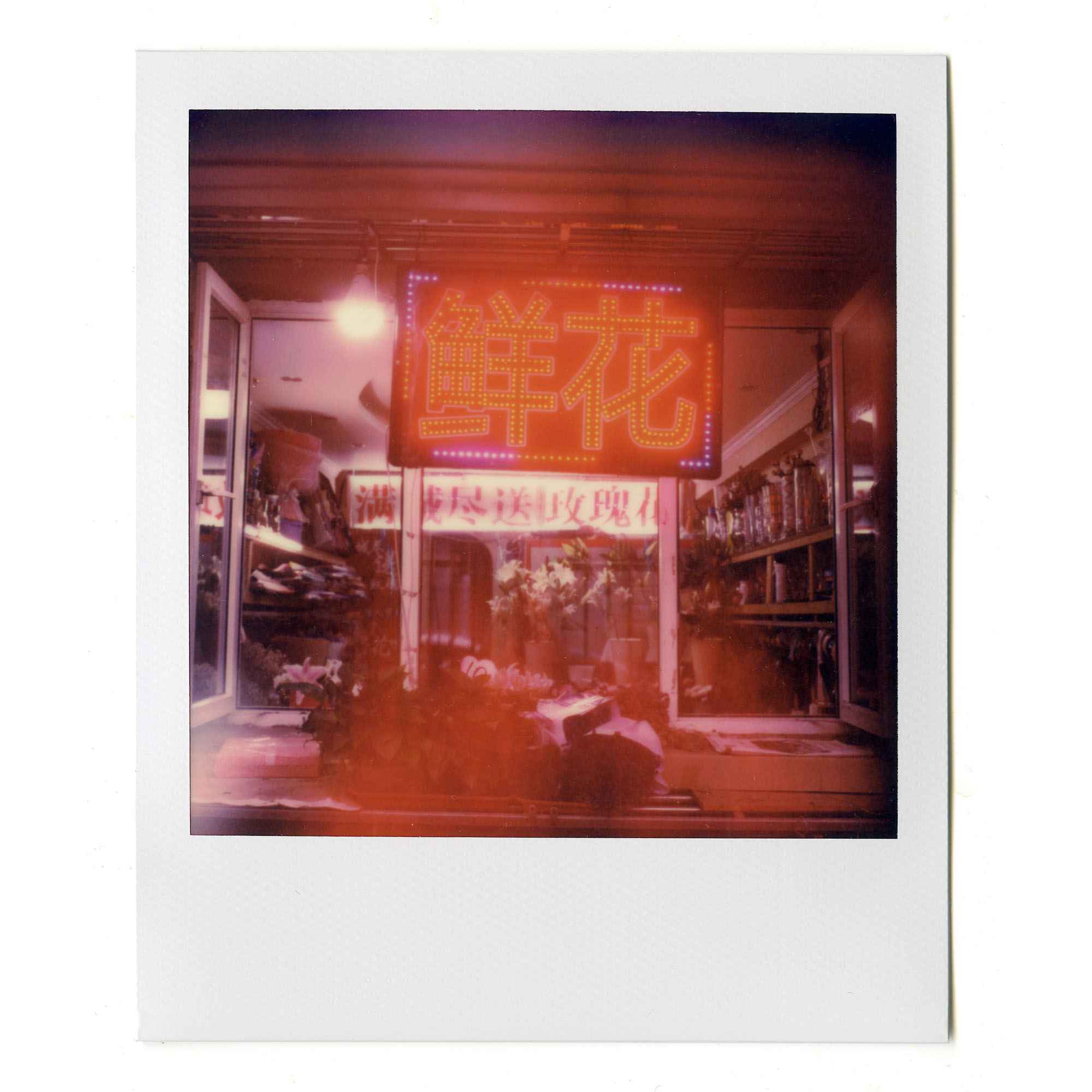
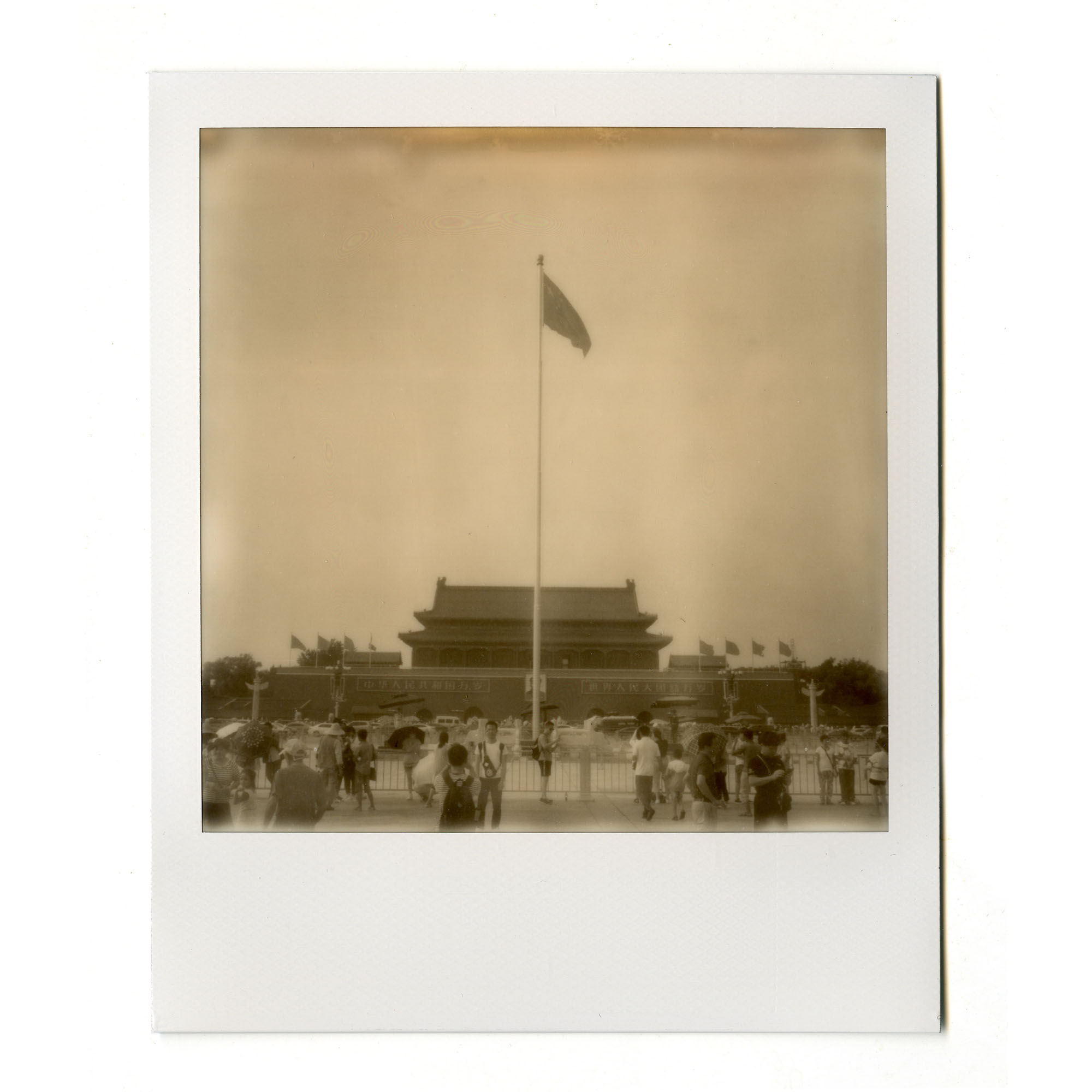
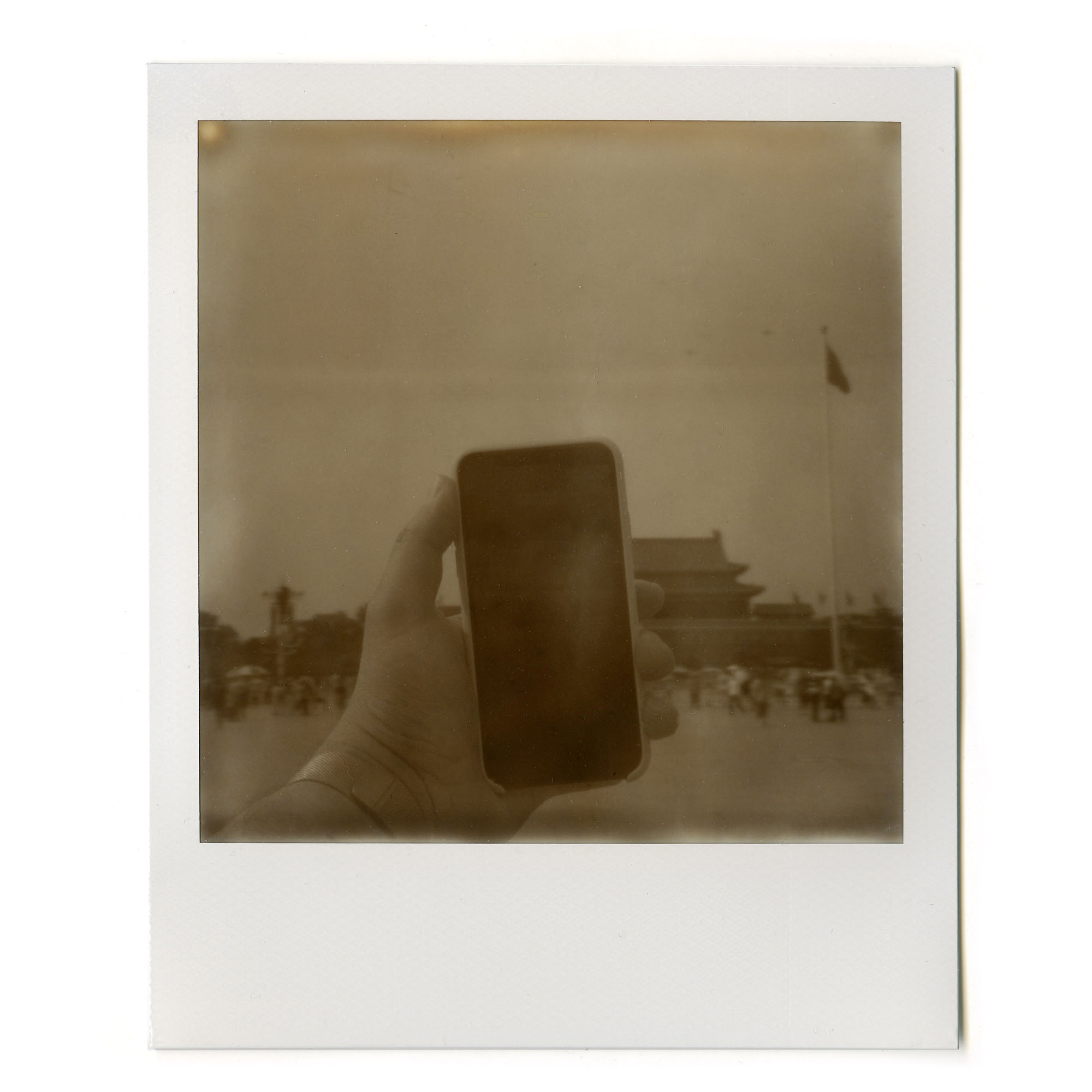
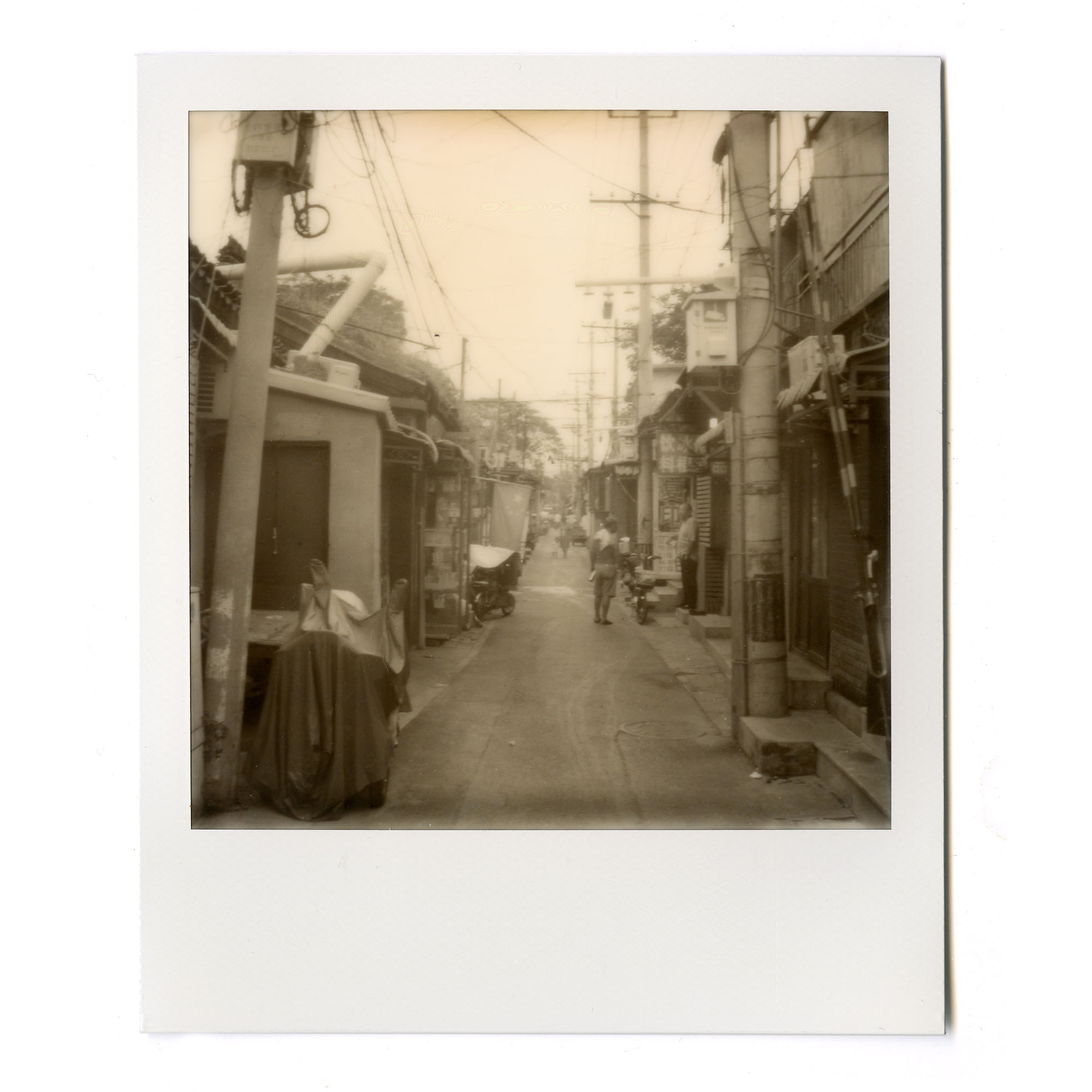
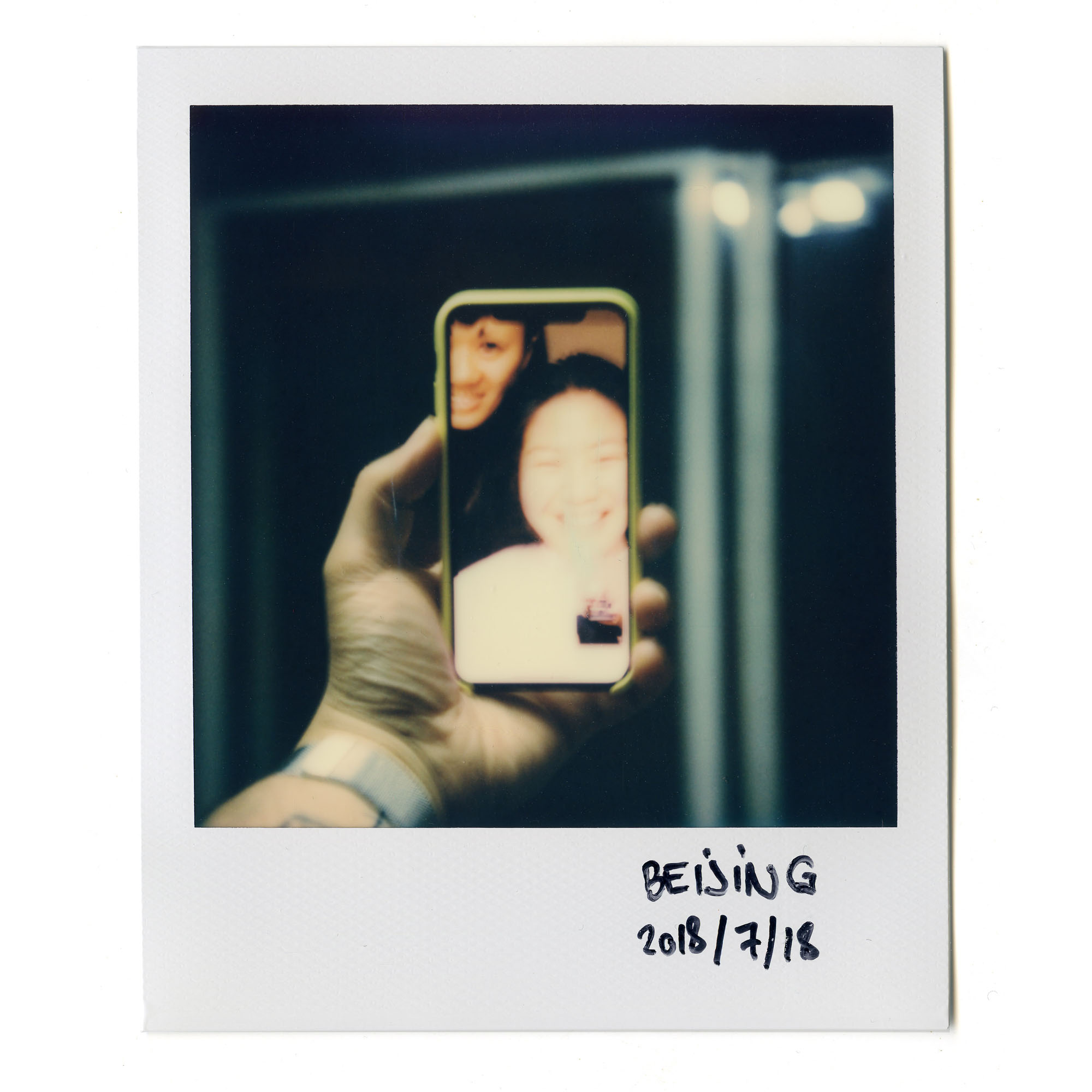
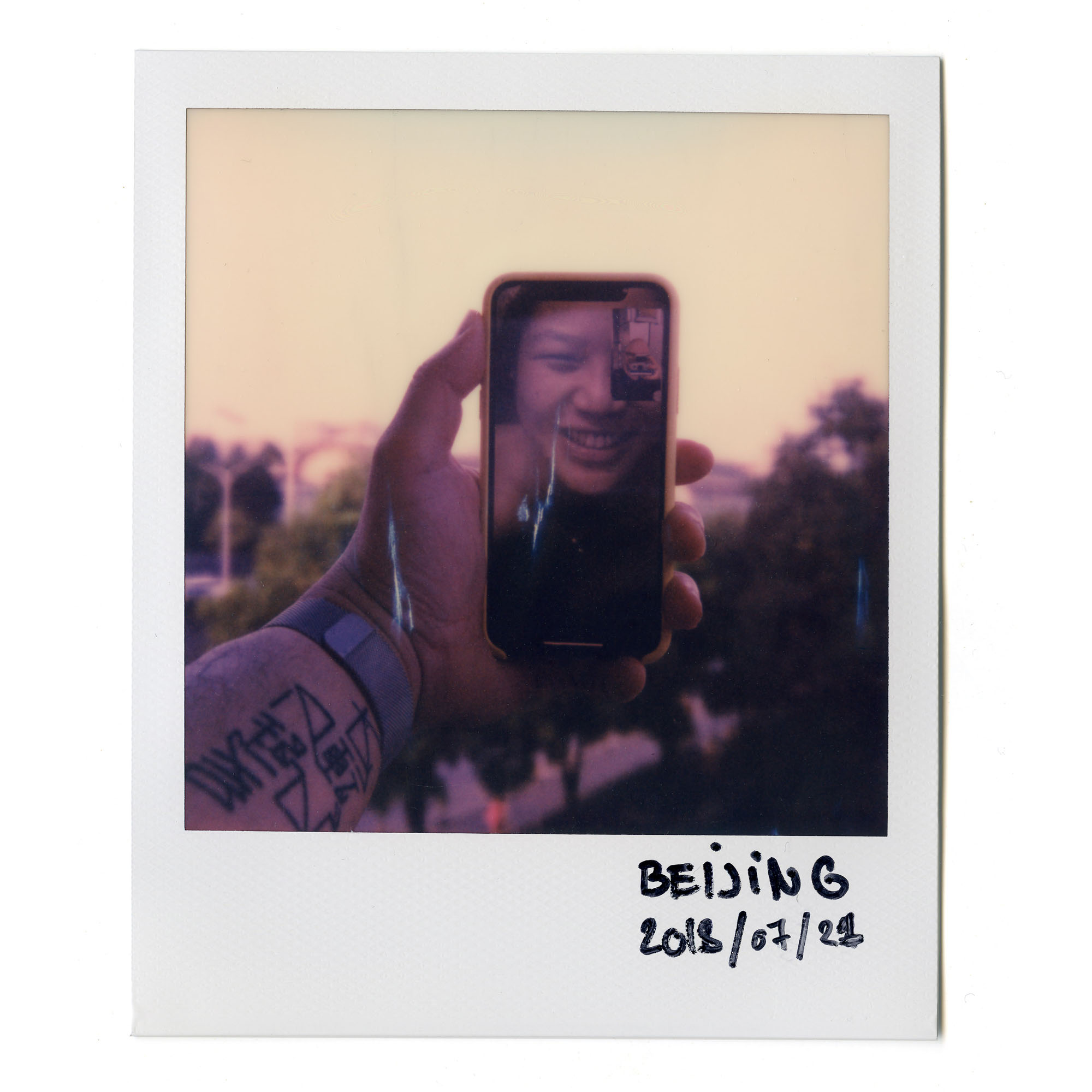
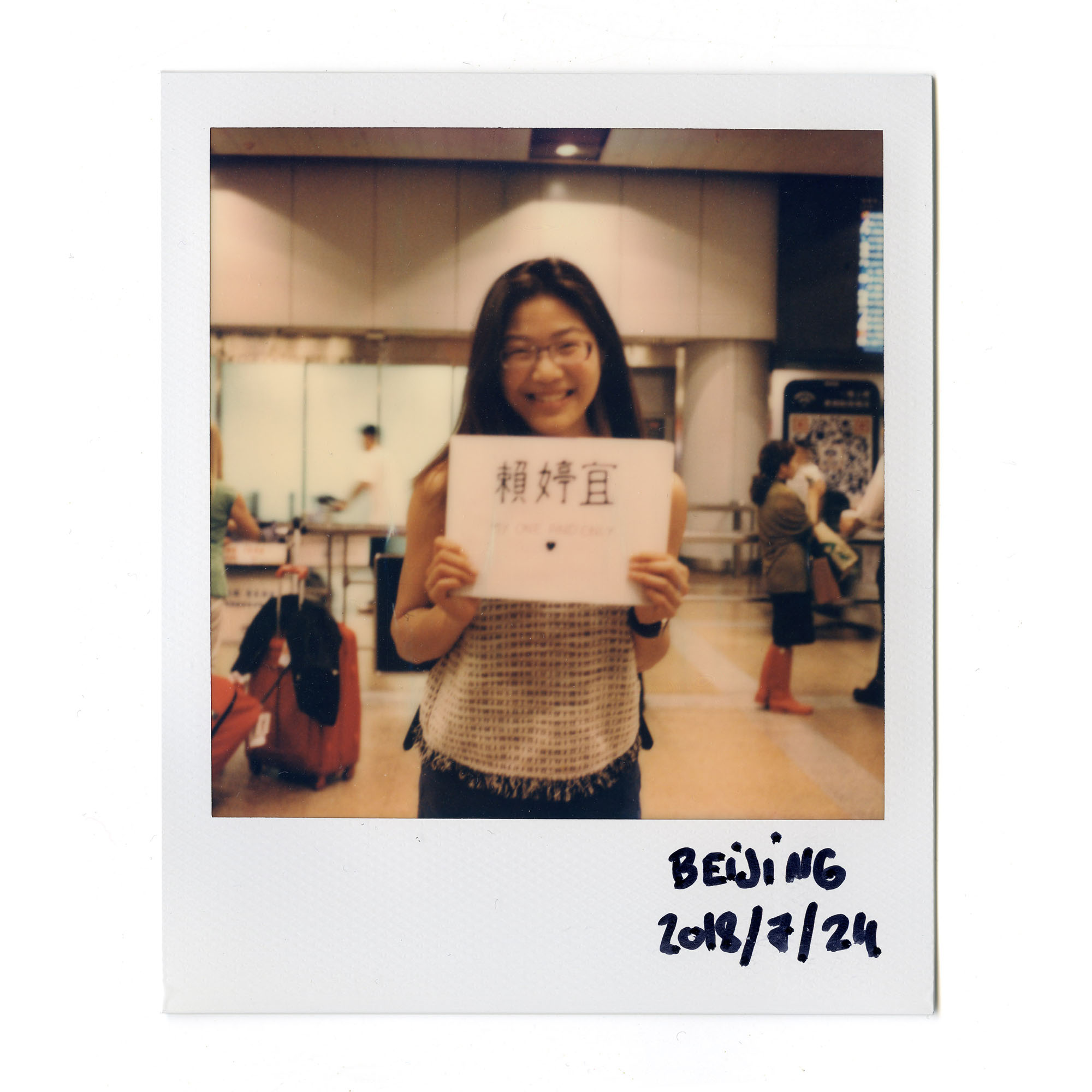
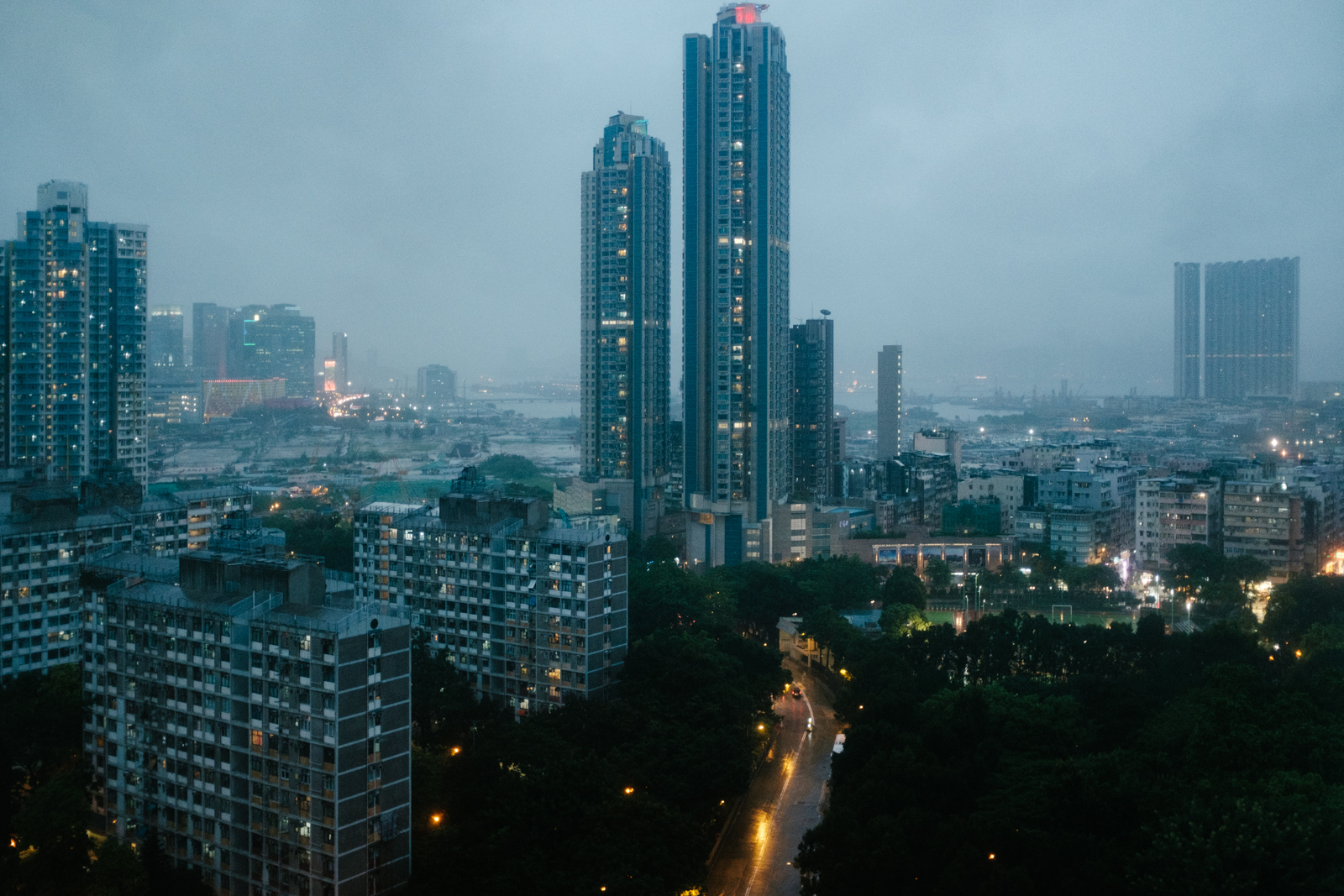
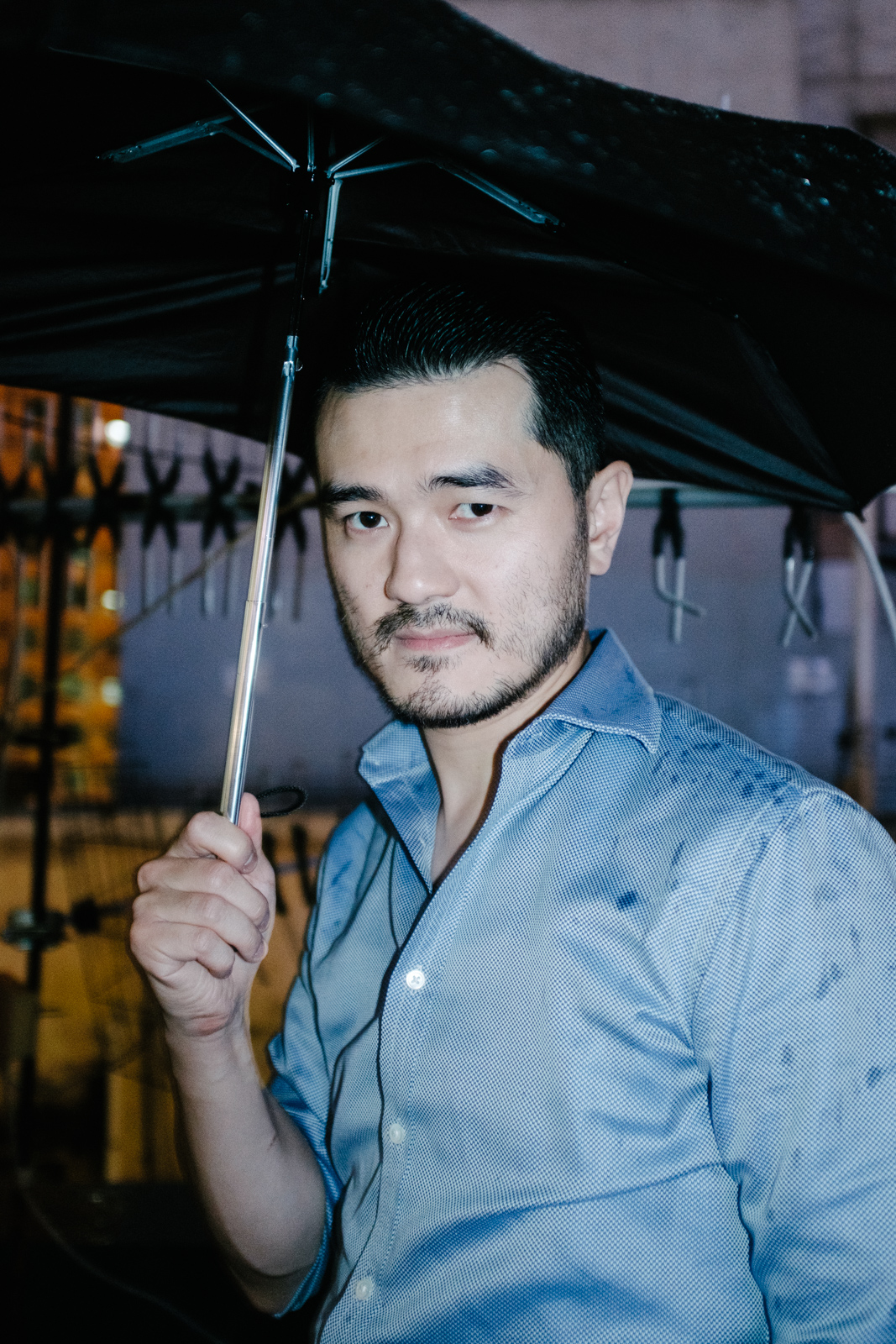
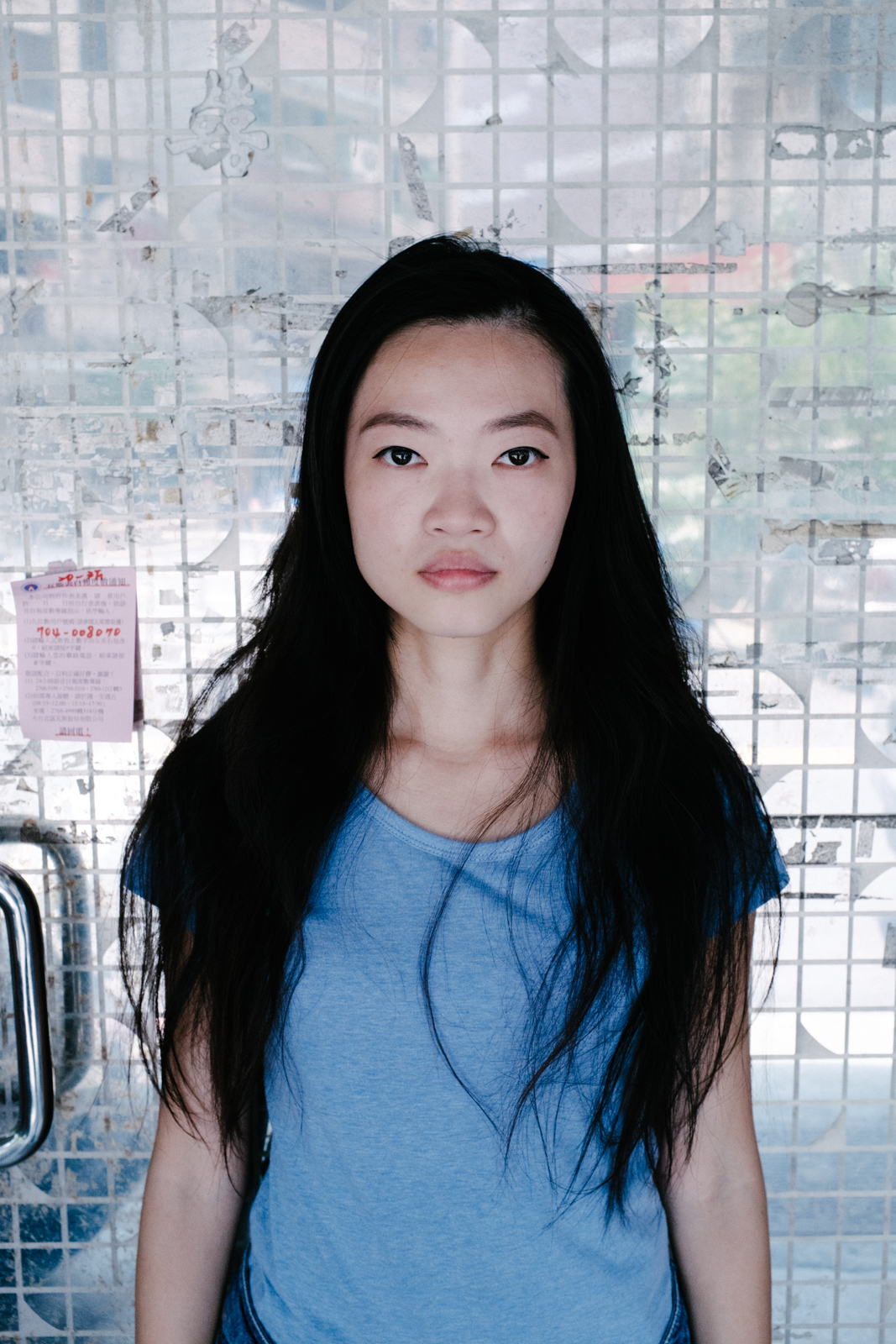
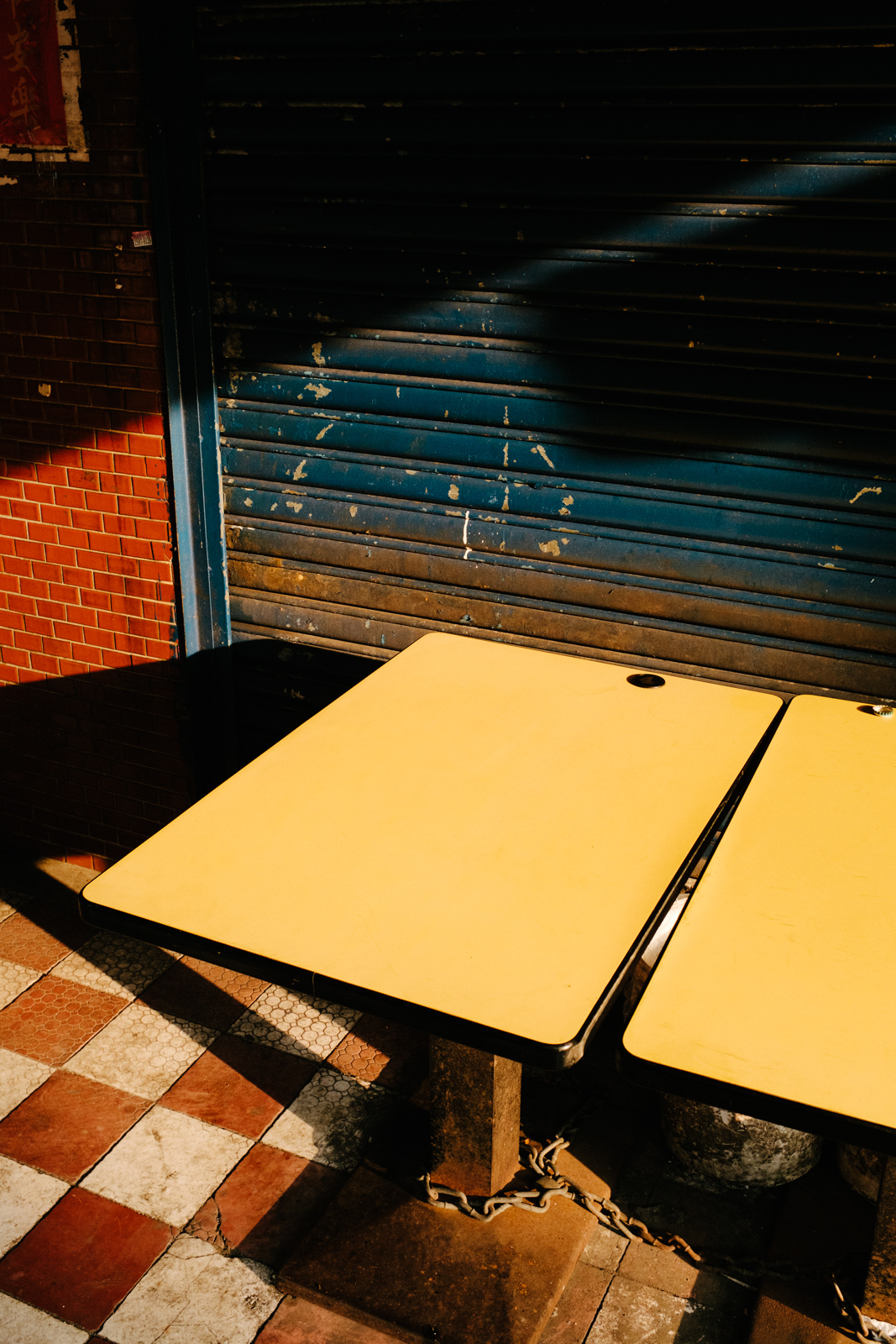
One summer, my partner and I had to spend a month apart, with me in China and her back in London. A Polaroid camera purchased in Hong Kong became a way for us to create physical mementos of this time spent separately, yet together.
]]>Gosha TcherednitchenkoLuo Yang × Nagashima Yurie: Contemporary East Asian photography and the portraiture of the common ground2018-06-20T00:00:00+01:002018-06-20T00:00:00+01:00https://gosha.net/projects/portraiture-common-ground
This dissertation was written as part of my MA Photography programme at the
Royal College of Art in 2018. It was awarded a distinction, and a printed copy
is kept at the RCA Library.
A note on names: This text deals with Chinese and Japanese photography,
and thus mentions many Chinese and Japanese names. It is customary to write
names in those cultures with the surname followed by the given name. Thus, in
Luo Yang’s case, Luo is her surname, and Yang is her given name. The same goes
for Nagashima Yurie: Nagashima is the surname and Yurie is the given name.
However, the reverse order, more common in the West, has been preserved in
quotes, citations, and titles of referenced publications.
Acknowledgements: The author would like to extend special thanks to Dr. Eva
Morawietz, art historian and director of the popup gallery MO-Industries, for
her help and patience during the research and writing of this dissertation.
Introduction
In this dissertation, I will examine a certain type of portraiture and the
associated aesthetic, through the lens of two female East Asian photographers.
One, Nagashima Yurie, came to prominence in Japan in the early 1990s, and the
other, Luo Yang, has been building a reputation outside of her native China with
several exhibition in the West since being selected as one of the “rising stars
of Chinese photography” by renowned artist Ai Weiwei in 20121.
I will tentatively call the style these two artists work in the portraiture of
the common ground, and, by the conclusion of this text, we will hopefully have
arrived at a definition of this style, within the historical, cultural, and
social context in which it has evolved.
The portraiture style in question has blurred boundaries and is maybe easiest to
talk about in terms of what it is not. It is not formal: the people are often
portrayed in everyday situations and in mundane settings, and the stories told
in the photographs are those of real people inhabiting the real world. It is not
technically elaborate: photographers eschew complex studio lighting setups and
rely on available light or simple on-camera flash to illuminate their pictures.
It is not aggressive: even when the photographs are not candid, the subjects are
rarely felt projecting any kind of hostility, and any strength displayed is
often of the soft and quietly confident kind. However, the portraiture of the
common ground goes beyond the visual style and is related both to the subject
matter itself and the ways to approach it.
The research contained in this dissertation is coloured by my own background and
interests, as well as by my professional practice. I am an immigrant, born in
Russian and having grown up in France, with the notion of common ground
omnipresent in my life and in my work. I am primarily a portrait photographer,
working, and, having spent six years living and practising photography in Japan,
this country and its portrait photographers were the start of the series of
inquiries that led to me exploring this topic. I became familiar Chinese
photography much later, and became so impressed with the work of Chinese
photographers, and with that of Luo Yang specifically, that I have since
travelled to China and have initiated several related photographic projects, the
first of which will be produced in the summer of 2018.
In addition to exploring Luo’s and Nagashima’s work and the parallels between
them, I will attempt to offer a brief overview of the emergence of these
artists, and the social and historic context in which their work has developed
in their native China and Japan.
Origins of Japan’s photographic renewal
In the context of Japanese photography, the aesthetics shared by Nagashima and
her peers are very much a product of their time and of social, economic, and
political upheaval of the 1990s and 2000s.
Japanese photography after the end of the Second World War has a rich history,
marked by three milestones: the renewal of the military alliance with the United
States of America (安保, Anpo) in 1960, the Tokyo Olympic Games of 1964, and the
bursting of the Bubble Economy in 1991.
The intense political confrontation around Anpo, which marked the end of
American post-war occupation and set the framework for (among others) the
presence of American military bases in Japan that continues to this day, infused
a new and electrifyingly heightened political consciousness into Japanese
photographers, artists and intellectuals. So strong was this influence that its
echoes continue to be felt this day, not unlike those of the 1968 student
protests in France.
The 1964 Olympic games were followed by a period of high economic growth, in
which photography, as an art, developed significantly. Economic growth meant a
rise in volume for advertising and commercial photography, leading to tackling
of experimental techniques and experimentation on a much wider scale. At the
same time, documentary work blossomed through photographers focusing on the the
newly emerging mass society and its contradiction, as well as through Japanese
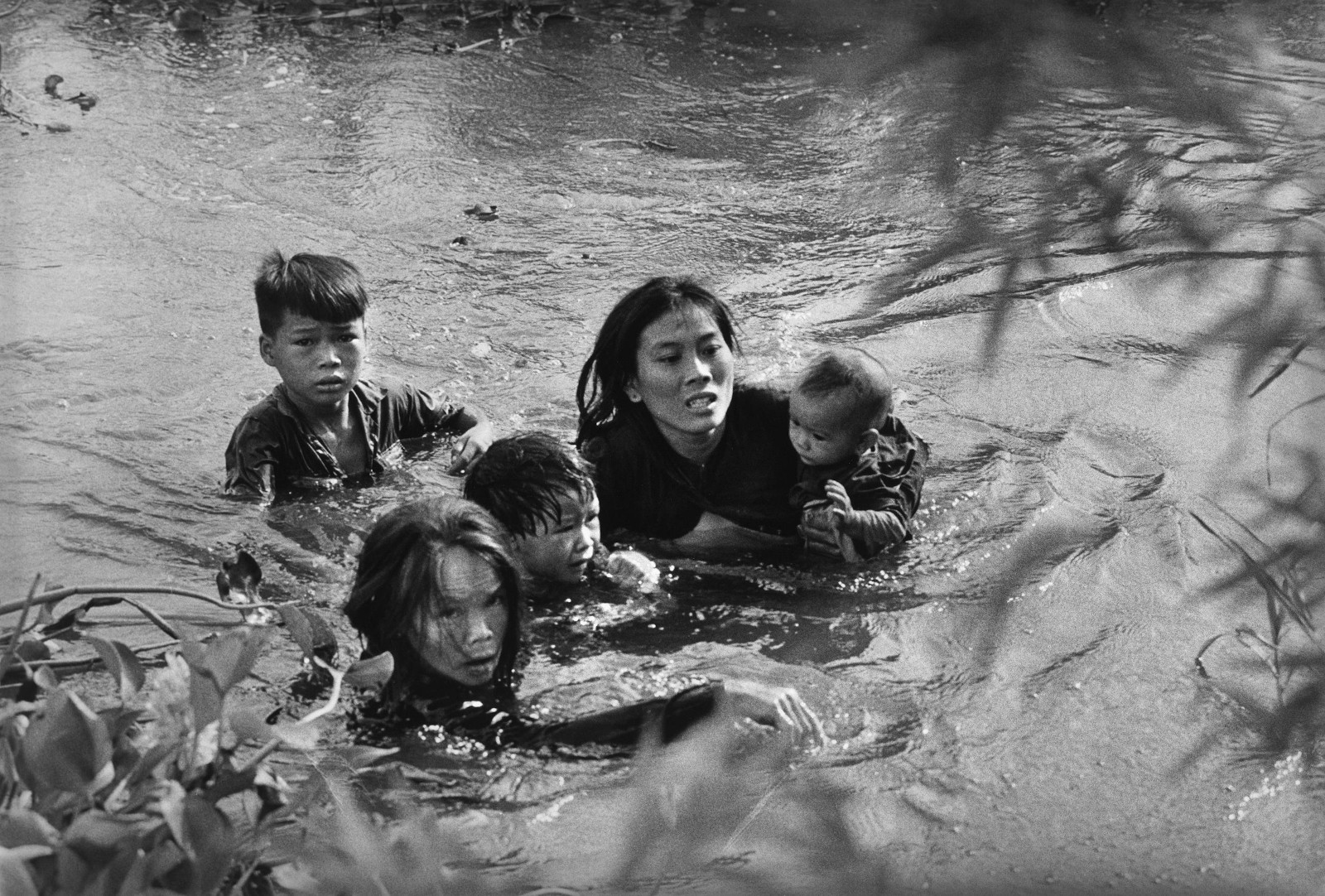
photojournalists sent to cover the war in Vietnam, most notably Sawada Kyōichi,
who won the 1965 World Press Photo of the Year award and the Pulitzer Prize for
his picture of a mother escaping a US bombing with her children (Fig. 1). The
photojournalists having paved the way, more and more “Japanese photographers
spent extended periods of time overseas and became active on the international
stage”.2
The emergence of mass society meant that photography became omnipresent:
photographing and being photographed became a part of everyday life, and at the
same time led photographers to join a growing, radical questioning of the
post-war established political, cultural, and economic order. In the late 1960s,
Japan was rocked by waves of student protests, which led to what is could be
considered the peak of Japanese post-war photography, and the decade that
followed is probably what Japanese photography is best known for in the West.
In late 1968, Taki Koji, Nakahira Takuma, Takanashi Yutaka, and Okada Takahiro
established a magazine named Provoke, and were joined a year later by Moriyama
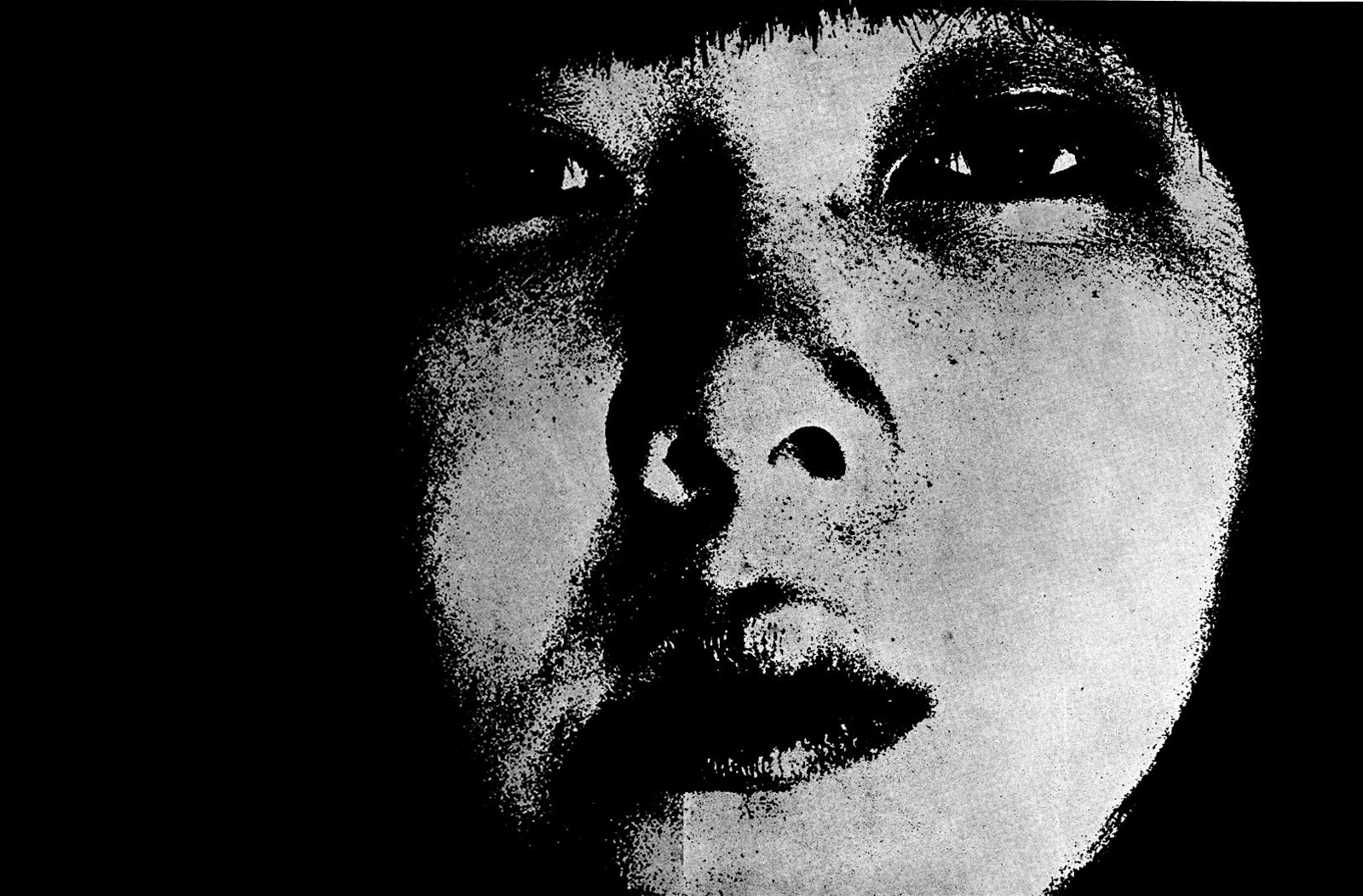
Daido.3 The aesthetic developed by the Provoke photographers, also known as
are, bure, boke (rough, blurry, out of focus) (see Fig. 2), has endured and
became recognisable world wide, along with the names of the magazine’s founders
— Moriyama, in particular, is arguably the Japanese photographer currently best
known to the Western mainstream.
The Provoke aesthetic was born out of the furious anti-American,
anti-establishment protest culture of the Japanese 1960s, and it served the
purpose of the photographers who established the magazine: to bring down
established conventions and to create a new visual language, “to rethink the
rigidified relation between word and image”.4
In the afterword to the first issue, Provoke’s Nakahira Takuma writes:
“How to fill the gap between politics and art? This is both an old and a new
problem. . . . . My belief is to accept the contradiction between political
matters and the act of creating something, and try to live with the tension
between them. This is my personal position, and I would like to operate whilst
considering the two things separately – to participate actively in the
political struggle, and to take photographs, in a dualistic way”.5
To understand the context in which the work of Nagashima Yurie and her aesthetic
has emerged, one must look at the political and economical history of post-war
Japan, and what changed from the Provoke era. After the anti-American,
anti-capitalist protests of the 60s and 70s, Japan’s center-right-wing
government has found an innovative way to de-claw the Left, and especially its
more radical wing: by satisfying their demands. The emergence of the practice of
lifetime employment meant that workers were assured of financial stability for
themselves and their families, in exchange for loyalty to the companies
employing them, which in turn became a secondary (and sometimes primary) family
for them. This system helped bring about the Economic Miracle, which saw Japan’s
economy rise to be second only to that of the US. This, however, came to an end
in late 1991 when the asset price bubble burst, triggering an economic decline
that would last over a decade. The public protest culture having been largely
lost thanks to the comforts of a growing economy and lifetime employment,
photographers who came of age during this “Lost Decades” naturally focused more
inward, exploring and finding beauty in a slower, more contemplative life, which
in turn reflects the aesthetic they have developed.
The aesthetic of Nagashima and her peers started to work in in the 1990s stands
in stark contrast to that of the Provoke photographers. It is, in fact, very
much on the opposite side of the spectrum: muted colours as opposed to the
intense, often violent, high contrast black and white, and a focus turned to
private spaces instead of a revolutionary desire to bring down established
conventions and to create a new visual language.
Another defining characteristic of the style that Nagashima works in is the
large part that female photographers played in its development. While in the
Provoke era and subsequent decades Japanese photography was overwhelmingly
male-dominated, many of the defining photographers working in this new aesthetic
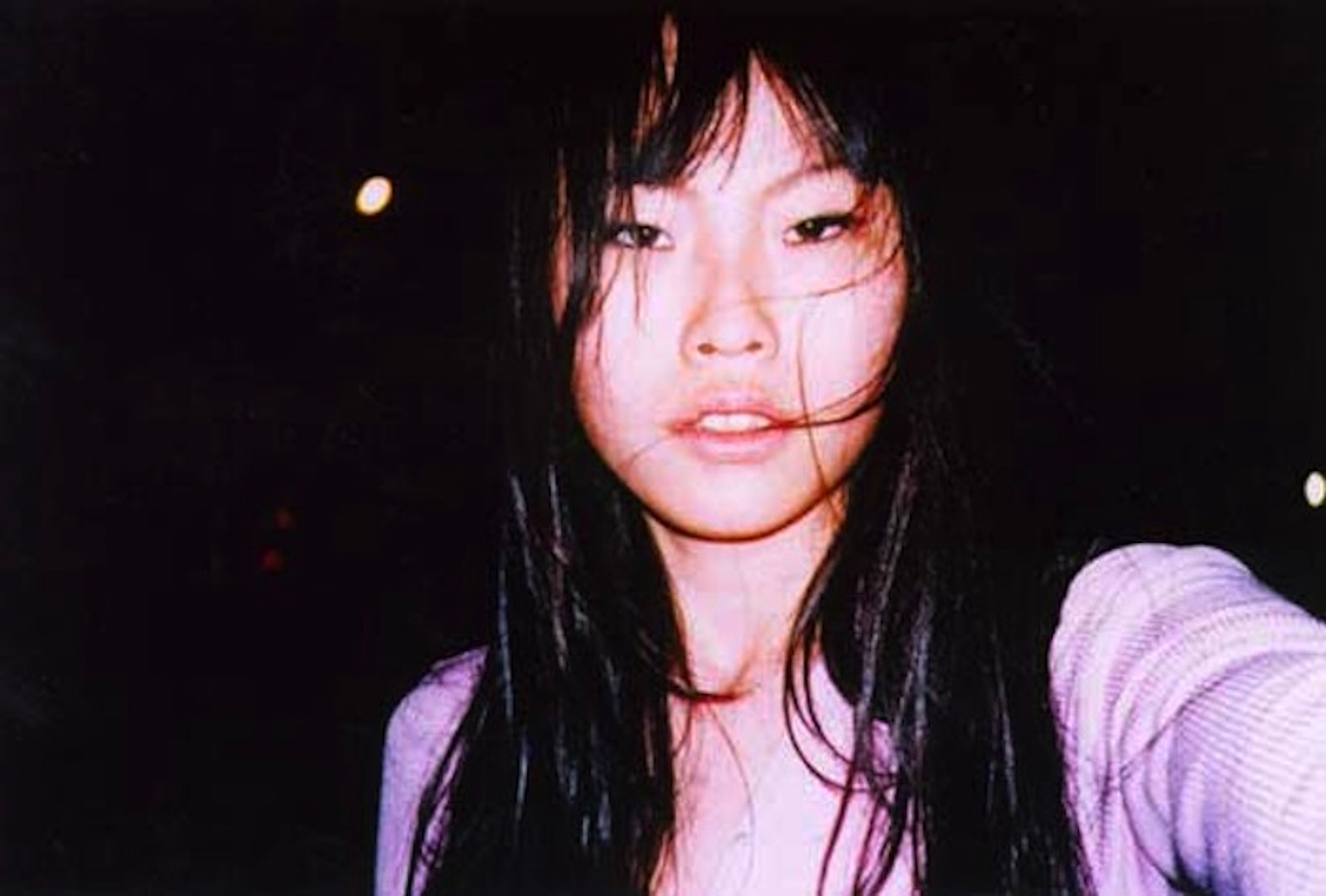
are female. Along with Nagashima, Hiromix (see Fig. 3), Ninagawa Mika, Kawauchi
Rinko, Ume Kayo, and many others contributed to the development of this style,
and paved the way to countless more photographers.
It is also not my intention to imply that the work of Japanese female
photographers of the mid-90s is any less radical than that of the men of the
are, bure, boke era: the battleground has moved from the streets to their own
private spaces, and their own bodies within those spaces. The confrontation was
no longer “an ideological clash with the state, but it was a political clash
with the various media that construct female identity”6.
For Nagashima and her cohorts, the act of photography “fostered the affirmation
of social and self identities that they were comfortable with, a shield against
the pressures to conform to social and familial expectations.”7 “To push
their way through these barriers and face their inner selves for
self-identification, they happened to have the tool of photography”.8
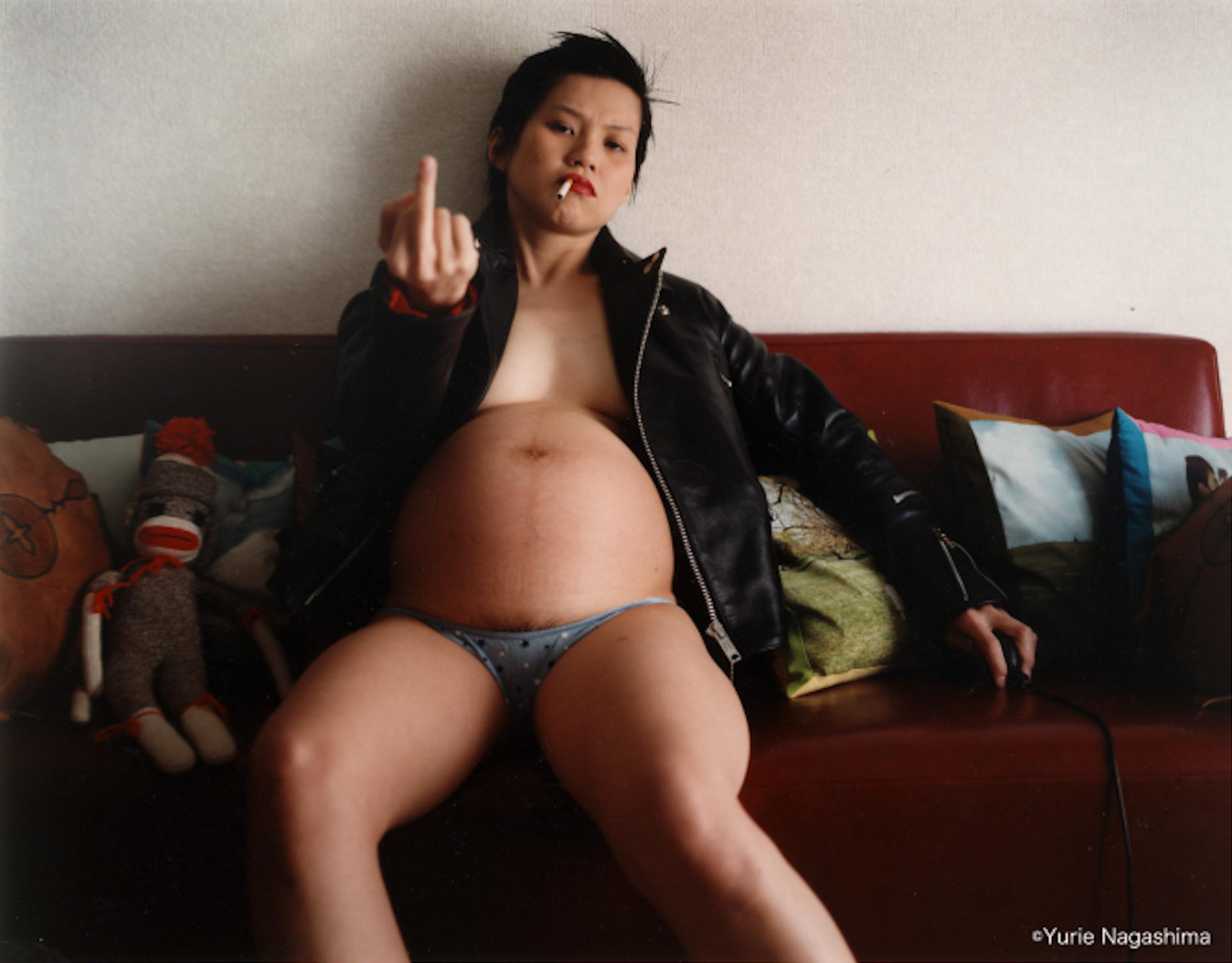
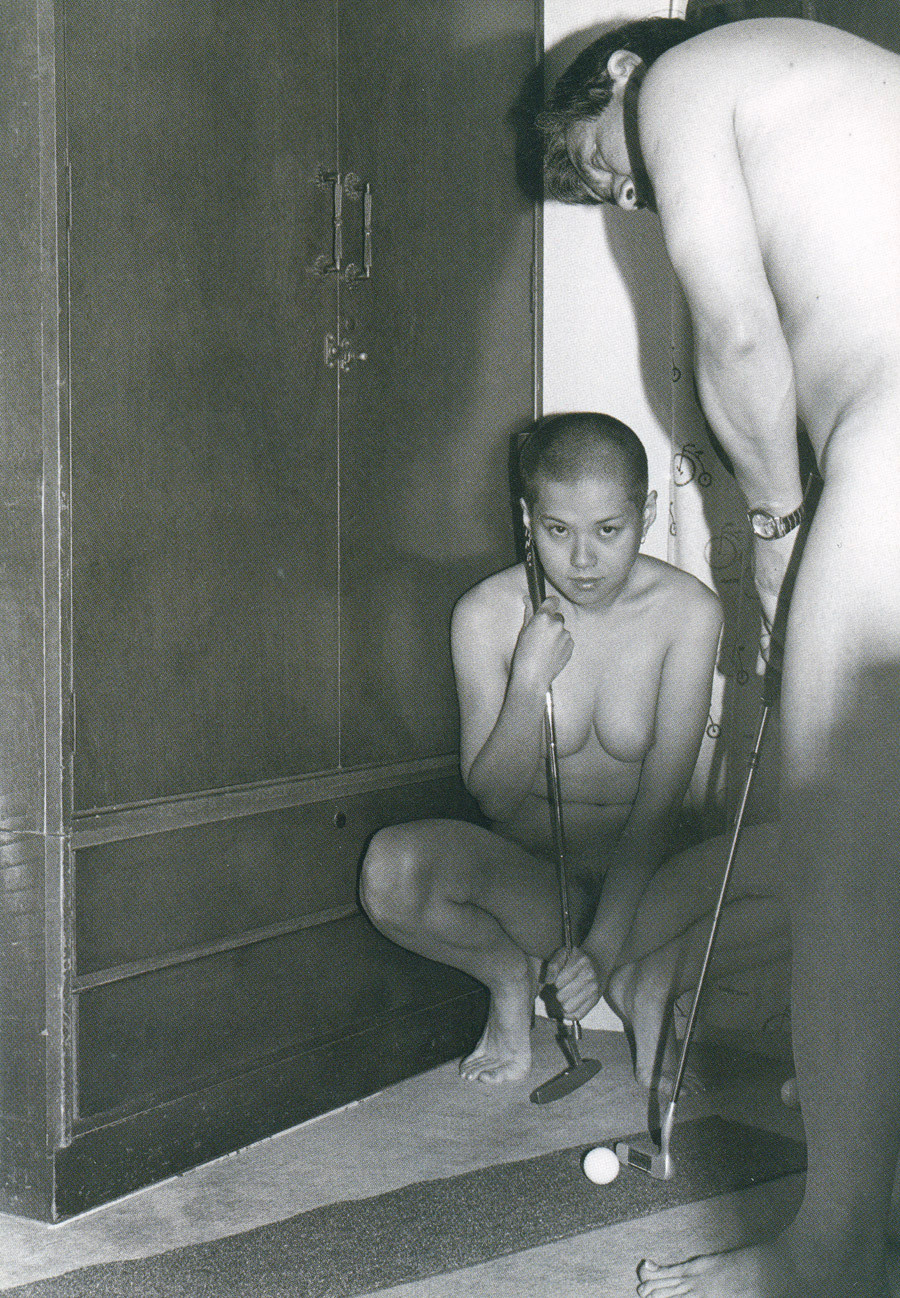
Nagashima was born in 1973 and rose to prominence through a series representing
herself and her family in the nude, winning the prestigious PARCO prize in 1993
while a student at the Musashino Art University9.
Just as with Toshikawa Hiromi (also known as Hiromix, another female
photographer figurehead of the 90s), Nagashima’s visual style has initially been
derided as simplistic and amateurish, “in sharp contrast with a type of
photography, popular in the 1980s, in which image-making was considered a
technical craft”10. Dismissively labeled by critic Iizawa Kōtarō as “girly
photography” (女の子写真, onnanoko shashin), the movement spearheaded by
Nagashima is characterised, from a technical point of view, by its welcoming of
imperfection in photographs.
The photographers embraced film stock and cameras considered as amateur and
eschew complex technical processes. They favoured small, compact cameras: easy
to carry around, usually with a built-in flash, strong automation features, and
a moderately wide angle lens, often around 35mm. Asked about the way she
photographs, Kayo Ume (another prominent member of the movement) says: “I always
set my camera at P mode. They say P stands for ‘programme’11 but I call it
‘professional mode’.”12 The result is often featuring strong colours
(sometimes accentuated even further by direct flash), natural light, and
sometimes chaotic composition. Just like with the Provoke style, an immediacy
and a participation in the moment is privileged over high-level technique or
composition, what photographer John Sypal refers to as being about the “actual
living moment and using the camera to interact with it”.13
In another parallel to the photographers of the Provoke era, then, a rejection
of photography as a highly technical craft is a strong feature of the style
espoused by Nagashima. However, while the Provoke photographers focused on
conflict with the state, Nagashima and the members of her movement turn their
lenses closer to home: close friends, family, and loved ones are frequent
subjects of their photographs. Quoting the famous second-wave feminist rallying
slogan, Nagashima says: “I believe, ‘Personal is political’”14
Nagashima is widely considered to be the photographer whose work launched the
onnanoko shashin movement, and it is that specific style that brought her
stardom at home and, to some degree, recognition abroad. She, however, rejected
term and resented Iizawa for coining it, as it implied a lack of agency and
skills on the part of the photographers: “we didn’t choose snapshot photography
because of a lack of skills, or because we weren’t physically strong enough to
handle larger camera equipment. It was because the portability of those cameras
suited our work, and this explanation made perfect sense”15. When Nagashima
received the Kimura Ihei Award (one of Japan’s highest distinctions for
photographers) in 2000, the prize was given to three photographers together, the
others being Hiromix and Ninagawa Mika. Nagashima felt that the Japanese art
world felt “as if [they] all belonged in that [onnanoko shashin]
category”16, interpreting the work in a “light, pop-culture sense”17 and
ignoring its feminist message.
That feminist message is strongly present even in the the debut project that
brought Nagashima recognition in Japan, her nude self-portraits with her family.
Talking at a panel at Art Basel 2018 in Hong Kong, Nagashima explains:
I felt like I myself was a kind of object, therefore I thought that I had to
change, I had to express something that was different. My body is my own, it’s
not the object of the male, that’s what I wanted to express, and that’s why I
came up with the self-portrait series, which is the nude photos of my family.
In the 1990s, in the United States at that time there was the Third Wave of
feminism that started, for example the Riot Grrrl movement, in music, and in
fashion, through these cultures there was a new feminism, and we get a lot of
influence by these movements.18
In the same panel, Nagashima Yurie clearly declares: “I am a feminist”.19
The same assertions of agency and individuality permeate the projects Nagashima
has worked on since, in which she continues to explore family, loved ones, and
inner circles. In the monograph Not six (Tokyo: Switch Publishing, 2005), she
shows seven years worth of photographs of her husband, reversing the more
traditional photographer/model gender roles. (Fig. 6). In Pastime Paradise
(Tokyo: MADRA publishing, 2000), Nagashima’s record of her life between her rise
to fame and her return to Japan after a few years of studying in the US are
reminiscent of one of her major influences, Nan Goldin, another feminist
photographer. With 5 Comes After 6 (Tokyo: MATCH and Company, 2014), Nagashima
chronicles her son’s childhood and life as a single mother and a photographer,
following a split with her partner.
Moving forward, Nagashima is interested in exploring the stories of women who
gave up dreams in order to take care of families and children.20
The rise of unofficial photography in China
Luo Yang (b. 1984) is part of a new generation of photographers that is giving
Chinese photography a well-established identity on the global scale. In order to
understand the context in which she produces her work, a brief look in the
history of Chinese photography in the 20th century is necessary.
During Mao’s era, in the upheavals of the Great Leap Forward (1959-1962) and the
Cultural Revolution (1966-1976) photography was given a purely propagandist
role, serving the state’s goals of generating popular compliance with party
policies.
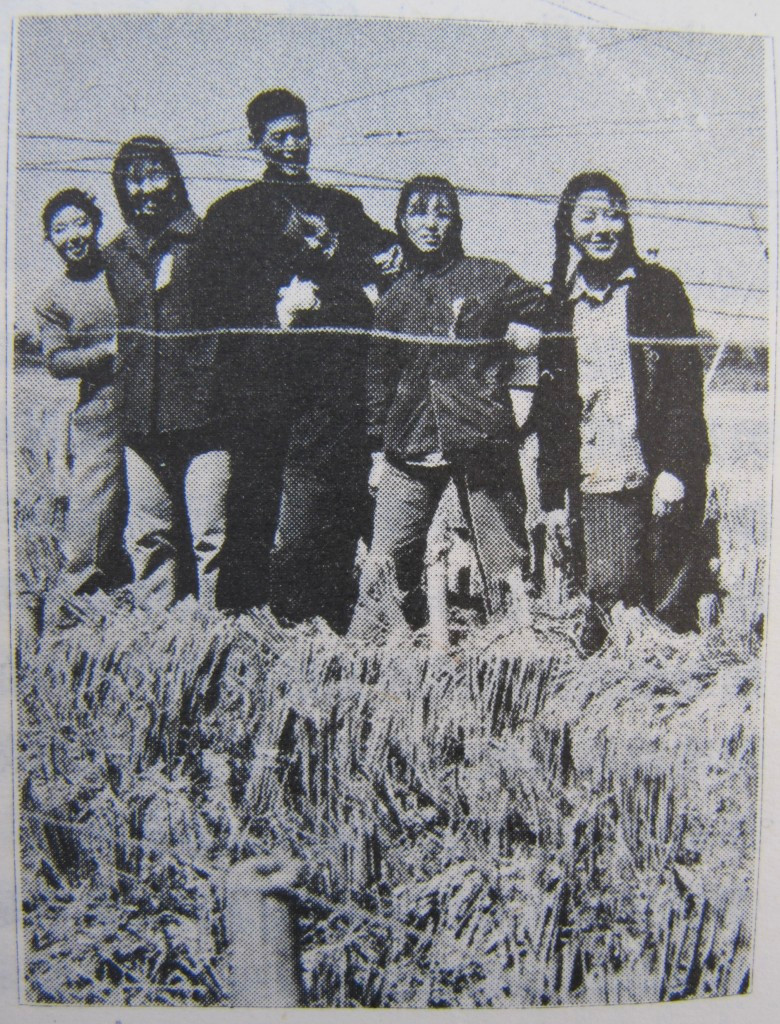
In one striking photograph taken during the Great Leap Forward famine — which
claimed upwards of thirty million lives — a group of children are depicted
apparently standing on top of a field of wheat, apparently so densely grown that
it could support their weight21. (Fig. 722) The children were in fact standing on
top of a bench concealed by the especially arranged stalks.
Fig. 7: People standing on top of unharvested grain in the “Sputnik” fields of autumn 1959.
Unofficial photography started to emerge into the public view in the the
aftermath of the death of Premier Zhou Enlai in 1976, with amateur photographers
spontaneously documenting the the public mourning for the popular politician on
Tiananmen Square in Beijing, a mourning officially forbidden by the authorities.
Wang Zhiping, Li Xiaobin, Wang Miao, and the other photographers of the April
5th Movement — as the event became known — later became the leaders of the
Photographic New Wave of the 1980s.23
Though the work of these photographers began outside of the system, they
unexpectedly found themselves thrust into the mainstream of Chinese photography:
a compilation of photographs of the April 5th Movement the photographers
published in 1979 under the name of “People’s Mourning” (人民的悼念, rénmín de
dàoniàn) received an unexpected endorsement from China’s top leadership
following the end of the Cultural Revolution and the fall of the Gang of
Four24, with the new Party Chairman, Hua Guofeng, authoring a dedication on
the book’s title page, and the editors being invited to join the mainstream
Association of Chinese Photographers.25
Disillusioned with the official hijacking of their project, the April 5th
photographers turned away from politics and towards more aesthetic pursuits,
organising several unofficial exhibitions on the theme of Nature, Society, and
Man26. While the first of those was held only in Beijing, its success
prompted the following two editions to appear around China, triggering a
nationwide movement known as the Photographic New Wave in 1981. This movement
saw the creation of a large number of photography clubs and publications, a
widespread interest in works of Western photographers and the documentary genre,
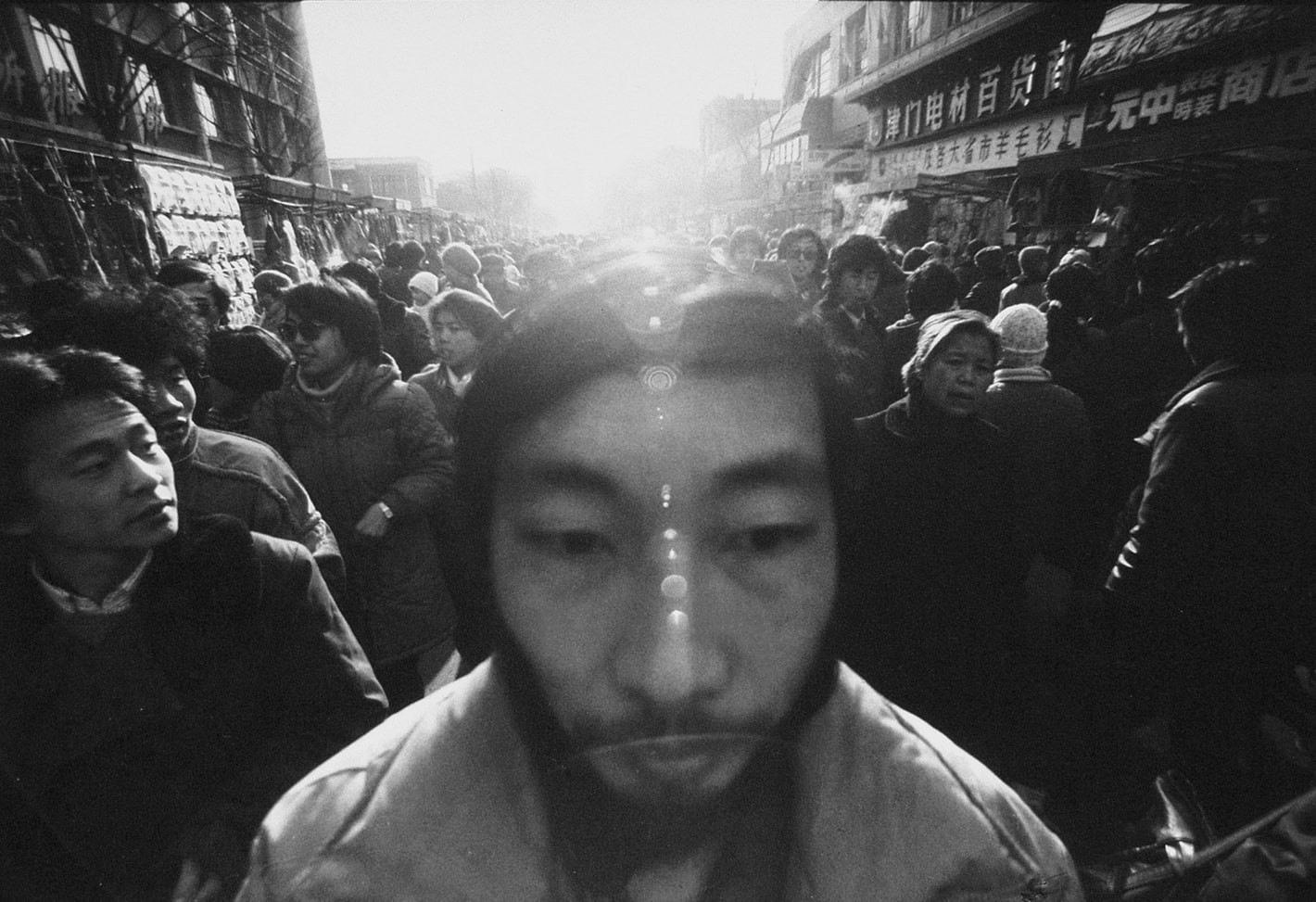
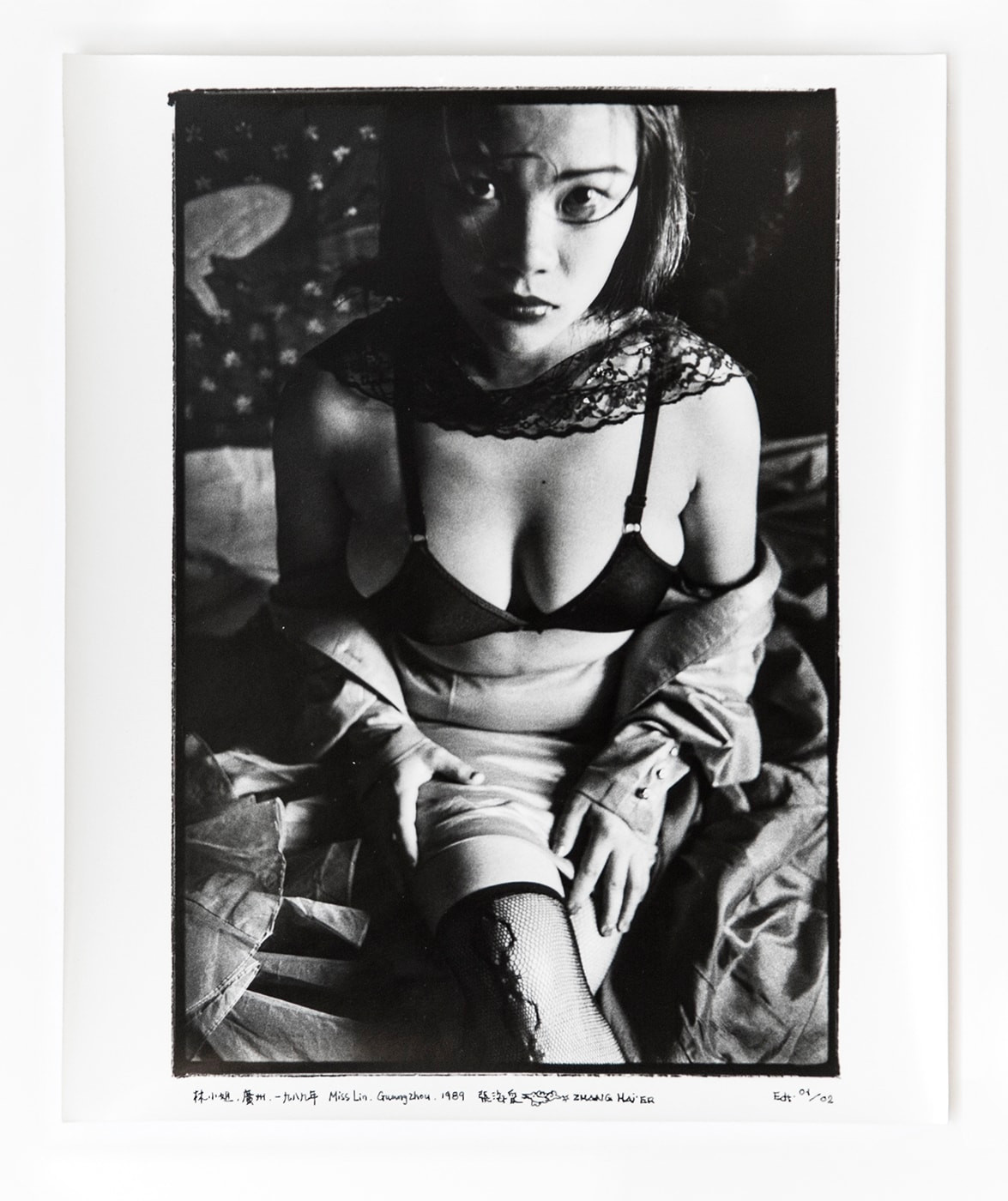
and the emergence of photographers such as Mo Yi (fig. 3) and Zhang Hai’er (fig.
4), who responded to the rapid transformation of Chinese cities by developing
“new concepts and languages that allowed them not only to represent an external
reality but also to respond to reality”.27
Towards the end of the 90’s, the New Wave movement has allowed a new kind of
photography to emerge, “that allied itself with the burgeoning avant-garde
art”28, which caught the attention of the international art world, with Zhang
Hai’er and others being invited to the Arles festival in France in 1988.
However, this period of growth was cut short by a political event: the violent
suppression by the government of pro-democracy student demonstration in
Tiananmen Square on June 4, 1989 (also known as the June 4th movement).
Following the crackdown, avant-garde art was banned and for a few years no
controversial work could be shown.
The new generation of photographers, defining what would come to be known as
Experimental Photography (实验摄影, shìyàn shèyǐng), emerged in the
early-to-mid 90s. They had developed completely outside of the mainstream
institutions — schools, research institutes, galleries — of Chinese photography.
These young photographers were outsiders from the mainstream of Chinese
photography and “constituted a sub-group within the camp of experimental artists
(…) they lived and worked with experimental artists, and showed their work
almost exclusively in unofficial experimental art exhibitions.”29
One of the defining events of this experimental age was the appearance of new
types of experimental art publications, one of the most important ones being
The Book With a Black Cover (黑皮书, hēipí shū) published in 1994 by
experimental artists including Ai Weiwei. The book introduced the new generation
of Chinese experimental artists to the world, with photography being featured as
the most important medium of experimental art.
Conceptual photography developed, relying on theories of postmodernism, which
led Wu Hung comparing the emphasis on concept and display with American
conceptual photography of the 1970s, described by the poet and art historian
Corinne Robins in these words:30
Photographers concentrated on making up or creating scenes for the camera in
terms of their own inner vision. To them . . . realism belonged to the earlier
history of photography and, as seventies artists, they embarked on a different
kind of aesthetic quest. It was not, however, the romantic symbolism of
photography of the 1920s and 1930s, with its emphasis on the abstract beauty
of the object, that had caught their attention, but rather a new kind of
concentration on narrative drama, on the depiction of time changes in the
camera’s fictional movement. The photograph, instead of being presented as a
depiction of reality, was now something created to show us things that were
felt rather than necessarily seen.31
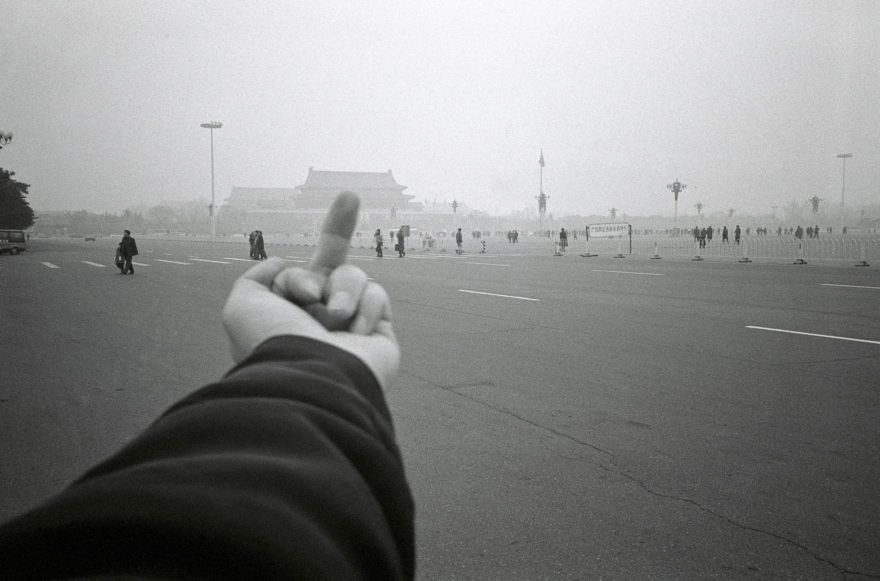
With Ai Weiwei’s rise to prominence, conceptual and experimental art continued
to develop, leading to the seminal 2000 exhibition Fuck Off (不合作方式, bù
hézuò fāngshì [“Uncooperative Attitude”]) curated by, among others, Ai. In a
conversation with Chin-Chin Yap, Ai Weiwei links the exhibition with the Book
With a Black Cover:
Chin-Chin Yap: When you curated Fuck Off in 2000, was there a similar
concept behind it as with the books?32
Ai Weiwei: Yes, after these three books we stopped, and a few years later
there were quite a lot of art events happening and interesting works around,
so people suggested having a show with a similar sort of attitude as that of
the books. So we thought about putting on an exhibition. It wasn’t necessarily
the best show because we had to put it together in a very short time, and the
conditions were such that the police could shut it down at any moment and
everything taken away. But the artists were very cooperative and interested
and the attitude was there. The show’s still being talked about today, because
it’s an attitude that still matters. So maybe Fuck Off was most important
because of what it represented. The concept was clear; and we were very clear
about what we wanted to say towards Chinese institutions as well as Western
curators and institutions and dealers; their functions are all similar in one
way or the other. It’s all about the deal, about labour, how to trademark
different interests. We had to say some thing as individual artists to the
outside world, and what we said was “fuck off.”33
Fuck Off was shut down by the Shanghai police before the closing date, but the
exhibition went on to acquire a legendary status among China’s younger artists.
It was followed up on in 2013 by Fuck Off 2, which Ai co-curated in Groninger
Museum in the city of Groningen in the northern Netherlands. This exhibition was
introduced by the museum as a “show, which includes 37 contemporary Chinese
artists and artist groups, contemplates and questions the current sociological,
environmental, legal, and political climate in China today.”34. The museum’s
blurb goes on: “The exhibition is a sequel to Fuck Off, the ground-breaking
show staged in Shanghai in 2000 by Ai Weiwei and Feng Boyi, which was quickly
censored by the authorities as it was considered too sensitive with its radical
content. Thirteen years later, the lack of artistic freedom in China and the
repressive attitude toward individual actions by the government make Fuck Off
2 especially relevant today.”35
Luo Yang was born in 1984 in Shenyang, capital of the northern Chinese province
of Liaoning. She studied graphic design at the Lu Xun Academy of Fine Arts, from
which she graduated in 2009. Luo started photographing in 2007 while in
university, taking pictures of her friends — “the life of those girls who were
around me”.36 Out of this process came the project Girls, which Luo
developed over the next decade, and which was published as a book by Edition
Lammerhuber and MO-Industries in 2017.
Having been born a few years after the end of the Cultural Revolution, Luo grew
up at a time when China was just starting to open up to Western influences:
“Luo’s generation grew up in a realm of confused cultural constructs, with
strong traces of traditional culture intermingling with new and invasive Western
ideas — all at a pace that was far surpassed by the speed of economic change
swirling around it”.37 The effect of this uneasy time are well visible in the
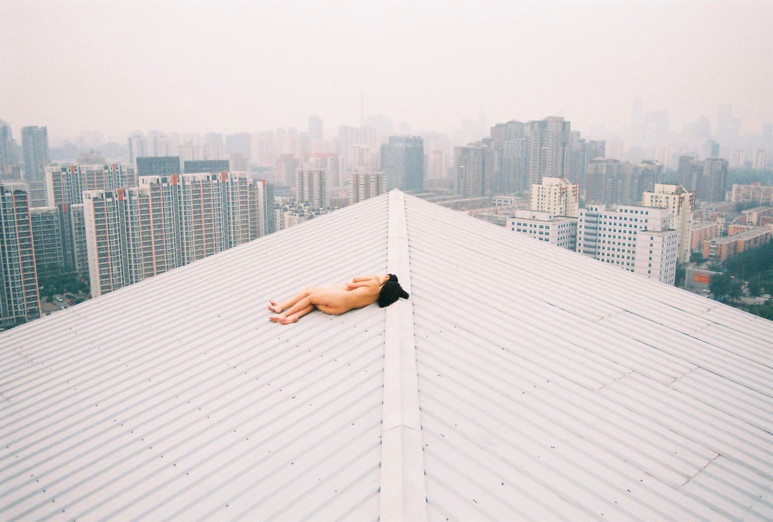
work of Luo’s peers: photographers Ren Hang, Lin Zhipeng, and Chen Zhe (all of
them fellow participants in Fuck Off 2) and novelist Chun Shu, whose novel,
Beijing Doll (Riverhead Books, 2004), chronicles growing up in Beijing of the
1990s.
In the introduction to the “Girls” book, art historian Eva Morawietz writes:
The term GIRLS in Luo’s work thus refers to young women who are in the process
of forming their identity. It denotes a state of mind, rather than a specific
point in life, although Luo prefers to shoot women who are close to her own
age. She started the project in 2007 when she was attending university and
considered herself a ‘young girl’. The series has evolved alongside Luo and
her life, spanning a timeframe of ten years until today. Her models have grown
from girls to women and even to young mothers, who joined the series most
recently. Just like herself, Luo’s GIRLS have often migrated from rural areas
to the large cities, from Norther China and Liaoning, Luo’s home province to
Beijing, Shanghai, Chengdu or Chongqing. Today, Luo travels all over China to
photograph women from various backgrounds and ages.38
The time scale and geographical reach of Luo’s work makes Girls a pioneering
project. According to Morawietz: “To date, Luo’s GIRLS series is a first
long-term venture into the portrayal of young Chinese women created by a Chinese
woman, showcasing the plurality of female identity in contemporary China.”39
That is not to say that Luo is the first female Chinese photographer working on
questions of femininity or representing a female point of view. Some notable
precursors are artists Xing Danwen (b. 1967, Born with the Cultural
Revolution) and Chen Lingyang (b. 1975, Twelve Flowers Series).
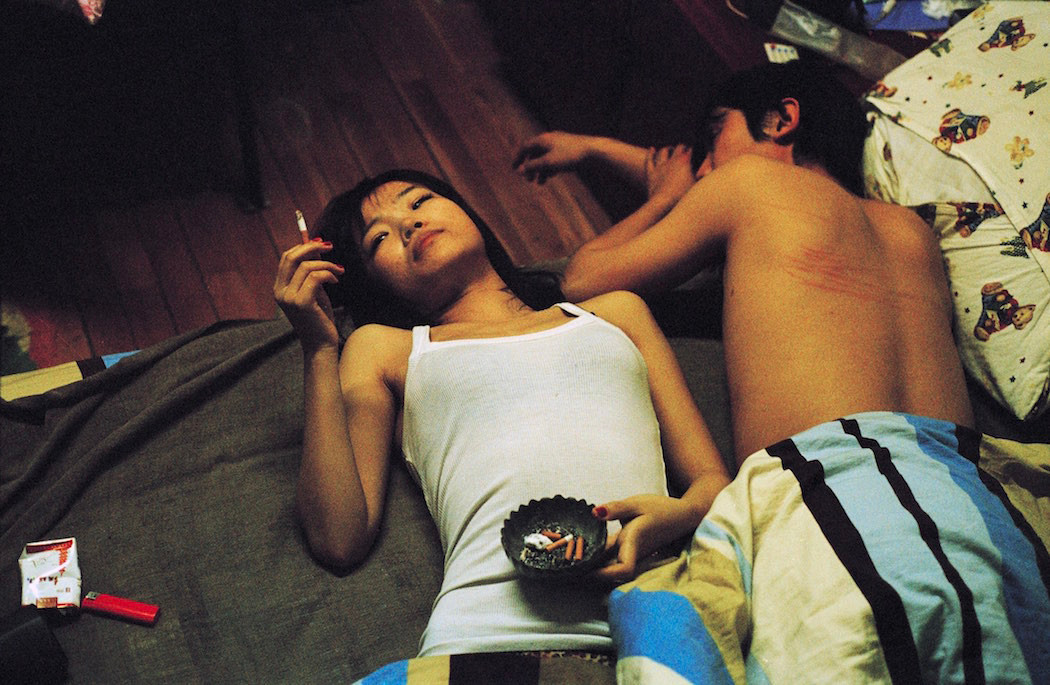
The aesthetics of Luo’s work, as well as those of her peers, can be reminiscent
of Western photographers Wolfgang Tilmans or Jürgen Teller. Luo also considers
Rineke Dijkstra, Ana Mendieta, and Nan Goldin as having had influence on her
work, as well as Japanese photographers Moriyama Daido and Nagashima Yurie.40
Like Nagashima’s work, Luo Yang’s photography is done with film, and eschews
technical perfection in favour of a sense of reality and of strong connection
with her models, the eponymous Girls. Even though Girls is a portraiture
project, focusing on both friends and strangers rather than herself, the
connection and the relationship the photographer has with her models brings out
the autobiographical qualities of the work.
The women in Girls belong to the same generation as Luo — with the same
post-Cultural revolution roots — and have grown up together with her over the
ten years the project has been unfolding. Eva Morawietz describes the project as
focused on “the tough process of inner growth in a reality ground in friction,
full of hope and latent crisis”41.
In an interview with Spiegel Online, Luo mentions that she “always has the
feeling that she’s showing something of herself when (she) portrays other
women”42. She goes on to mention the kind of personalities that attract her
for the project: “Women who are different, who rebel against the rules and who
don’t live a standard life, women who have ideals”,4344 qualities the
photographer — beyond associating them with herself — wants to showcase as the
main point of her project. Morawietz writes:
“GIRLS are about pure female ego, about showing oneself as a woman, expressing
individuality and pursuing an independent life based on one’s own choices,
regardless of traditional expectations, stereotypes or modern-day social
pressures.45[…] the disarming display of the GIRLS’ fragilities becomes a
powerful marker of unrelenting personal autonomy. Their evident candour
presents itself as a metaphor for freedom and independence.”46
When asked about the political aspect of her work, Luo and her peers are eager
to insist that their work has “nothing to do with politics directly”47, and
that they are focused on the individual. According to Morawietz, Luo’s work is
“very personal, it’s intimate, it’s about individuality, it’s about emotions,
it’s about expressing individuality and authenticity”,48 which, in a country
with a history of suppressing the free expression of personal opinions49, is
can be seen as an intensely political position in itself.50
In the future, Luo Yang plans to continue working on the project and to develop
it further, to include other media, notably video, and collaborations with other
artists. She is also interested in focusing on the subject of mothers: “When we
were little, in the1980’s, mothers in China went through incredibly hard times,
but nobody ever took note of that. The time of our mothers will pass in a near
future, it would be a pity to not document their lives.”51 A hint of this can
already be seen in the work that’s included as part of Girls, including in a
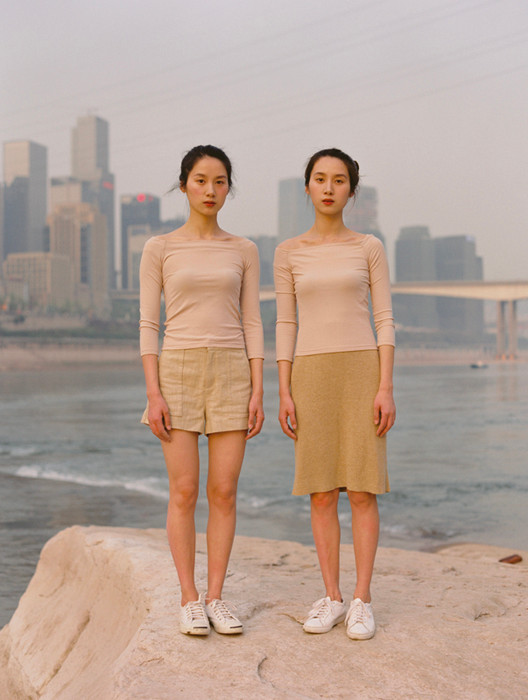
photograph of the twins Wan Ying and Snow Ying (Fig. 14):
This photo was shot in Chongqing. Chongqing is a very magical city, a city
with a river of such magnitude, it always fills people with the presence of
lots of stories. Of the twins, the younger is a mother whereas the elder
sister is still single. They share the same blood, but have significantly
different personalities and went in very different directions in life. The
relationship between these twins is fantastic, loving one another but also
seeing a different version of oneself in each other.52
The intention at the beginning of writing of this dissertation was to define a
certain visual style common to Luo Yang and Yurie Nagashima, as well as other
artists working with the same sensibilities and on similar subject matter.
However, what has emerged from researching these photographers and examining
their work was beyond mere visuals. The connections between the portraiture work
of Luo and Nagashima go beyond the aesthetic similarities and get interesting in
the approach to their subject matter exhibited by the two photographers.
That is not to say that the technical aspect is not important for this
portraiture of the common ground. Both Nagashima and Luo are primarily users
of film cameras. Luo says that “there is a humanising impression in film; it’s
rich in both texture and colour. Shooting in film encourages (her) to
contemplate more.”53 They both use an array of cameras, in both 35mm and
medium format, and they both produce pictures that are candid and others that
are carefully constructed. Another characteristic of this style is that neither
photographer attempts to construct images beyond what is possible with the model
and the environment at hand. Luo, the more directive of the two, might arrange
her models in ways that she considers more interesting, but says that “usually
the shooting takes place at an environment that they are familiar with, no
preparations or particular settings.”54 This lack of artifice (be it in
location, lighting, make-up…) gives the bodies of work produced by the two
photographers a sense of spontaneity, a sense of a realism of the everyday,
which is used in the service of emphasising an intimacy.
Intimacy is a key component of the portraiture of the common ground. Both Luo
and Nagashima photograph people close to them. Nagashima photographs her family,
her friends, her husband, her son; Luo her friends and girls with whom she feels
a sense of kinship, and although she has no blood ties to her subjects, one
could imagine them as a sort of extended family she has constructed for herself.
The closeness to the subjects that permeates both photographers’ work allows the
pictures to emphasise a common ground, a humanity shared on several levels.
That humanity is shared first, via mutual vulnerability, between the
photographers and the subjects. Looking at both photographers work, it’s hard
not to be struck by the basic human connection between two people that flows
through the camera. Thus, the act of photographing becomes an act of
acknowledgement and of acceptance from both participants, and, to resort to the
old cliché, each photograph becomes a self-portrait.
Beyond this amalgamation between the photographer and the subject, both
photographers compellingly highlight their subjects’ individuality, and, through
it, their own — quite literally in the case of Nagashima’s self-portraits, and
by implication in the case of Luo’s portrait work. This inexorable insistence on
personal identity has the effect of pulling the viewer, without necessarily
soliciting his or her consent, into the bond of vulnerability, acknowledgement,
and acceptance between the photographer and the subject.
Herein lies the might of the portraiture of common ground: the viewer is
forced to extricate the person in the photograph from any kind of grouping that
preconceived notions about gender, age, ethnicity, or appearance might have
placed her in, and to consider her as an individual, with her own hopes,
vulnerabilities, successes, failures, and dreams. In other words, to find a
common ground with her.
When it comes to the subject matter pursued by Nagashima Yurie and Luo Yang —
questions of femininity and the female point of view — this relentless
affirmation of individuality can only be political, clashing as it does with the
established order in countries that have long traditions of patriarchy and
collectivism. The measure to which this feminist attitude is claimed — vocally
by Nagashima and implicitly by Luo — could be seen as a barometer for political
freedoms in their respective countries, however, the fact that it permeates the
work is crucial. The work of Nagashima, Luo, and others working in the same
direction is thus, in an era of increased global trends towards xenophobia and
isolationism, playing a role not unlike that of golden age photojournalism of
the 1950s-70s: promoting a deeply humanist message of peace, acceptance, and a
shared humanity that goes far deeper than any differences possibly could.
Bibliography
Books
Ai, Weiwei, and Charles Merewether, Ai Weiwei: Works, Beijing 1993-2003,
2003
Bohr, Marco, ‘Deconstructing Gender Identity & Non-Perfection in the
Photographs of Yurie Nagashima’, in On Perfection: an Artists Symposium, ed.
by Jo Longhurst (Bristol, 2013)
Dāngdài Zhōngguó cóngshū biānjí bù, ‘Dāngdài Zhōngguó De Tiānjīn [Tianjin in
Contemporary China]’, ed. by Dāngdài Zhōngguó cóngshū biānjí bù (1989)
Friis-Hansen, Dana, ‘Internationalization, Individualism,
Institutionalization’, in The History of Japanese Photography(New Haven,
Conn.: Yale University Press)
Halliday, Jon, and Jung Chang, Mao: the Unknown Story (Random House, 2012)
Hung, Wu, Christopher Phillips, International Center of Photography, Between
Past and Future (University of Chicago David & Alfred, 2004)
Iizawa, Kōtarō, ‘The Evolution of Postwar Photography’, in The History of
Japanese Photography, ed. by Anne Wilkes Tucker (New Haven, Conn., 2003)
Iizawa, Kōtarō, ‘The Girls Are in the Room: Women Photographers in the ‘90s’,
in Private Room II: Shinsedai No Shashin Hyōgen (Mito, 1999)
Morawietz, Eva, ‘LUO YANG GIRLS Ambiguous Identities’, in Girls, 2017
(Baden: Edition Lammerhuber, 2017)
Nakahira, Takuma, ‘Afterword to Purovōku: Shisō No Tame No Chōhatsuteki
Shiryō’, in Provoke No. 1 (Tokyo, 1968)
Robins, Corinne, The Pluralist Era: American Art, 1968-1981 (New York: Harper
and Row, 1984)
Iizawa Kōtarō, ‘The Evolution of Postwar Photography’, in The history of
Japanese photography, ed. by Anne Wilkes Tucker (New Haven, Conn. :
London : Yale University Press, 2003), pp. 208-259 (p. 220) ↩
Nakahira Takuma, Afterword to Purovōku: shisō no tame no chōhatsuteki
shiryō (Provoke No. 1), (Tokyo: Purovōku-sha, 1968) ↩
Marco Bohr, ‘Deconstructing Gender Identity & Non-Perfection in the
Photographs of Yurie Nagashima’ in On Perfection: An Artists’ Symposium,
ed. by Jo Longhurst (Bristol: Intellect, 2013), p. 368 ↩
Dana Friis-Hansen, ‘Internationalization, Individualism,
Institutionalization’, in The history of Japanese photography, ed. by Anne
Wilkes Tucker (New Haven, Conn. : London : Yale University Press, 2003), pp.
260-303 (p. 274) ↩
Iizawa Kōtarō, “The Girls Are in the Room: Women Photographers in the
‘90s,” in Private Room II: Shinsedai no shashin hyōgen (Photographs by a
New Generation of Women in Japan), exh. cat. in Japanese and English (Mito:
Contemporary Art Center, 1999), p. 16 ↩
In programme mode, the camera automatically calculates appropriate
exposure; all that is required of the photographer is to frame the picture
and press the shutter release button. ↩
Jennifer Pastore, ed., ‘Yurie Nagashima: And a Pinch of Irony with a Hint
of Love’ ↩
Jennifer Pastore, ed., ‘Yurie Nagashima: And a Pinch of Irony with a Hint
of Love’ ↩
Conversations - Artworld Talk - Feminist Aesthetics? Movements and
Manifestations [YouTube video], Art Basel, 30 March 2018
<https://youtu.be/hYDAIK7mTaw> [Accessed
19 June 2018] ↩
Conversations - Artworld Talk - Feminist Aesthetics? Movements and
Manifestations↩
Conversations - Artworld Talk - Feminist Aesthetics? Movements and
Manifestations↩
A “Sputnik field” is a field usually created by transplanting ripe crops
from a number of fields into a single artificial plot. See Jon Halliday,
Jung Chang Mao: The Unknown Story, (New York City: Random House, 2012), p.
520 ↩
Dāngdài Zhōngguó cóngshū biānjí bù (ed.), Dāngdài Zhōngguó de Tiānjīn
[Tianjin in Contemporary China], vol 2. (Beijing: Zhōngguó shèhuìkēxué
chūbǎnshè, 1989), p. 113 ↩
Wu Hung, Christopher Phillips, Between Past and Future: New Photography
and Video from China (Chicago: The University Of Chicago Press), p. 15 ↩
The Gang of Four (四人帮, sìrén bāng) was a faction composed of four
senior Communist Party officials who came to prominence during the Cultural
Revolution. After the end of the Cultural Revolution, they were largely
blamed for its excesses and prosecuted. ↩
]]>Gosha TcherednitchenkoCrush2018-06-01T00:00:00+01:002018-06-01T00:00:00+01:00https://gosha.net/projects/crush
“Other men take weeks, months before they fall in love, and even then they love but tepidly, nor can they dispense with endless talk, shared tastes and crystallisations. All I needed was one flutter of her eyelashes. Say I am mad, but believe me. A flutter of lashes, and she looked at me but did not see me, and suddenly I beheld the glory of spring and the sun and the warm sea and the transparency of water near the shore and my youth restored and the world fresh-minted...”
—Albert Cohen, Belle du Seigneur
In 2017–2018, I’ve been photographing people living through one-sided love stories: crushes, unrequited passion, impossible love.
Finding people through personals and social media, I asked them to take me to a place related to their relationship, and I photographed them as they reflected on the person in question.
— "Crush" has received a honourable mention in the "People, Portrait" category in the 2018 International Photography Awards.
♫ LP — Lost On You♫ Brian Eno — Ambient 1: Music for Airports♫ Rodríguez — I Think Of You♫ Kazy Lambist — On You♫ Toy — Se Saram♫ Aqualung — Strange and Beautiful (I’ll Put a Spell On You)♫ Solander — Berlin♫ Girls' Generation — Goodbye♫ The New Basement Tapes — Kansas City♫ Eels — Beginner’s Luck♫ Konoba — On Our Knees (feat. R.O)♫ Hot Chip — Look At Where We Are♫ Giorgi Caava — Nami Vels♫ Grace Jones — Slave To The Rhythm♫ Calcutta — Pesto
A Spotify playlist of the songs provided by the project’s participants can be found here:
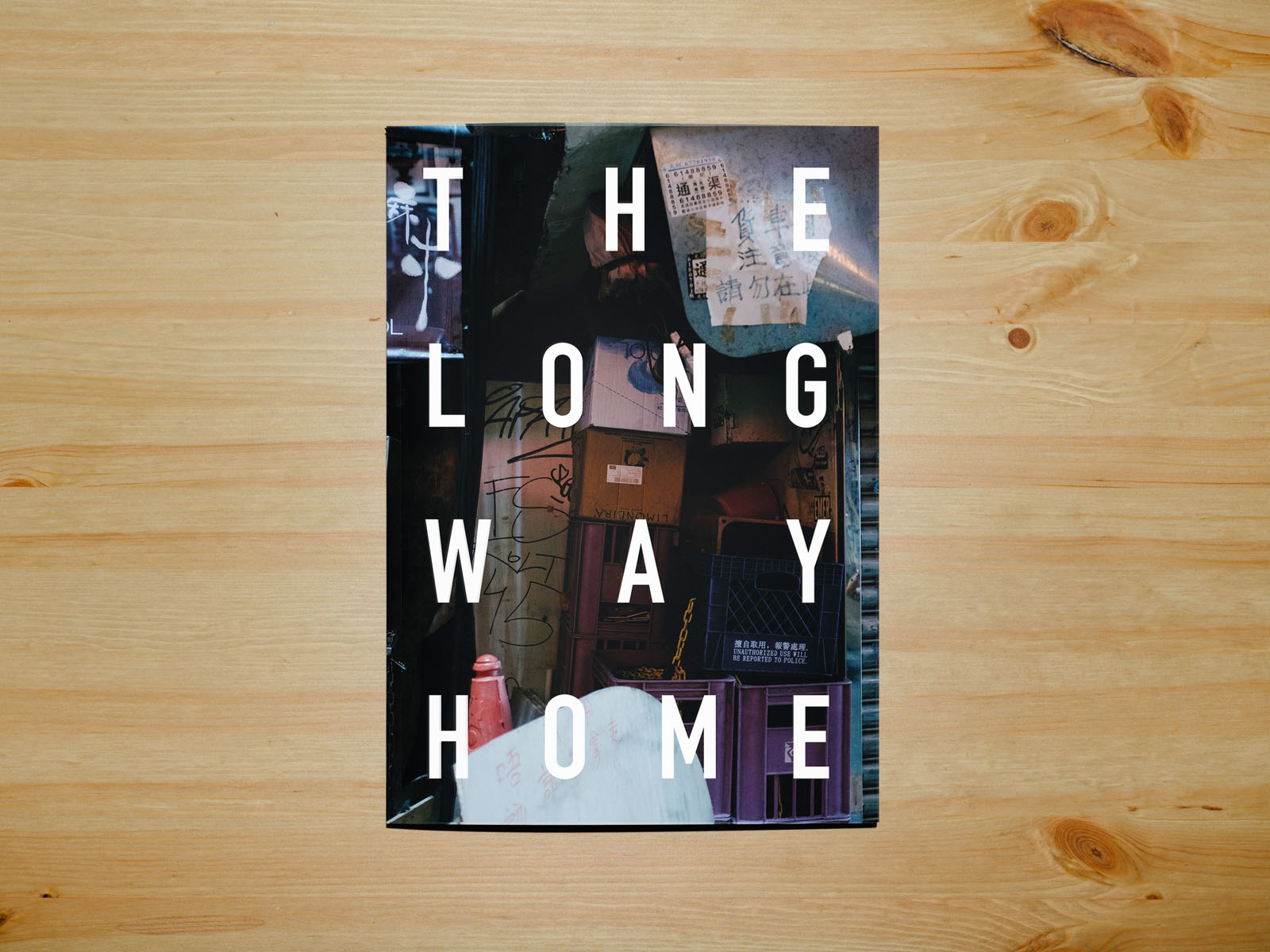
]]>Gosha TcherednitchenkoThe Long Way Home2018-01-20T00:00:00+00:002018-01-20T00:00:00+00:00https://gosha.net/projects/the-long-way-home
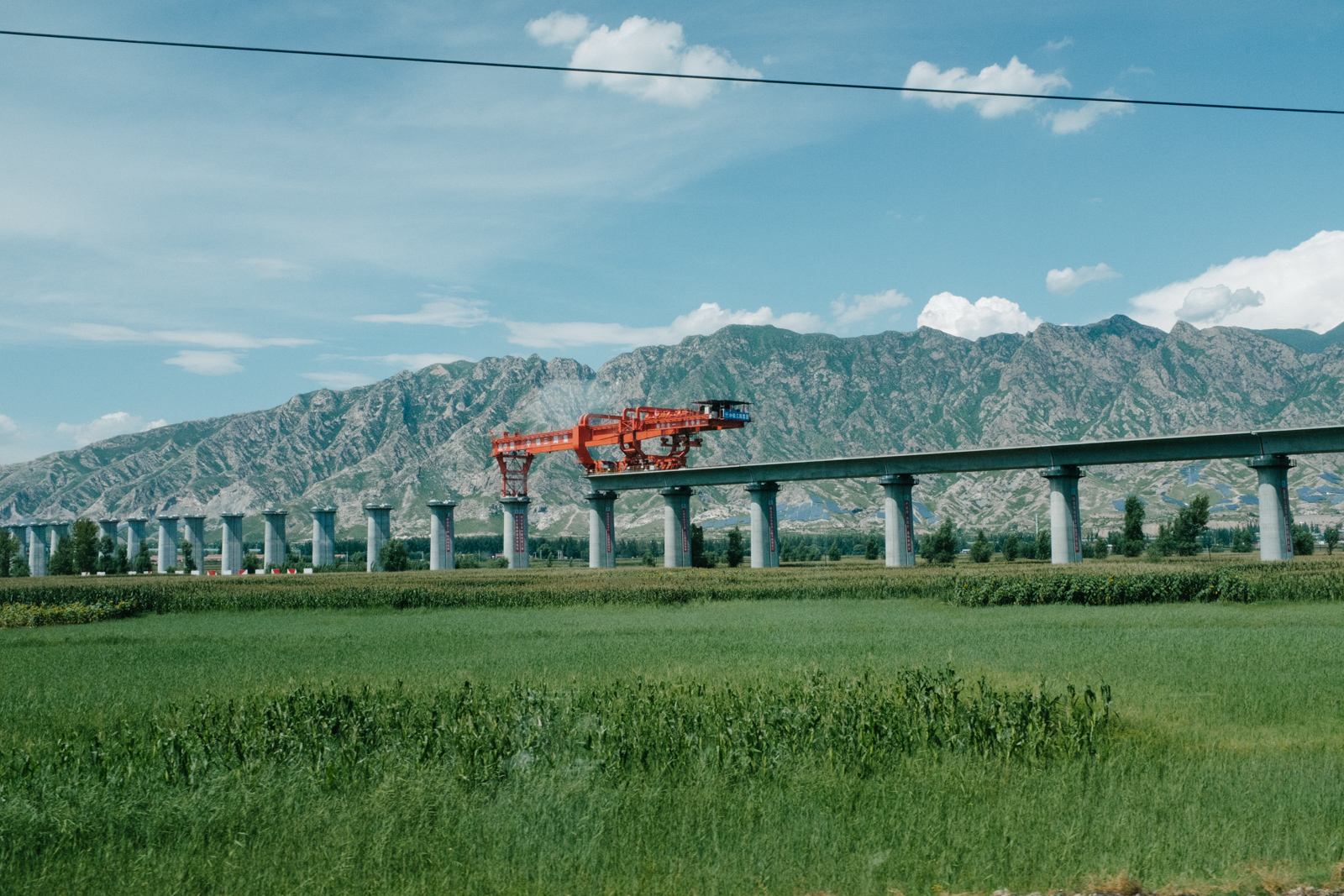
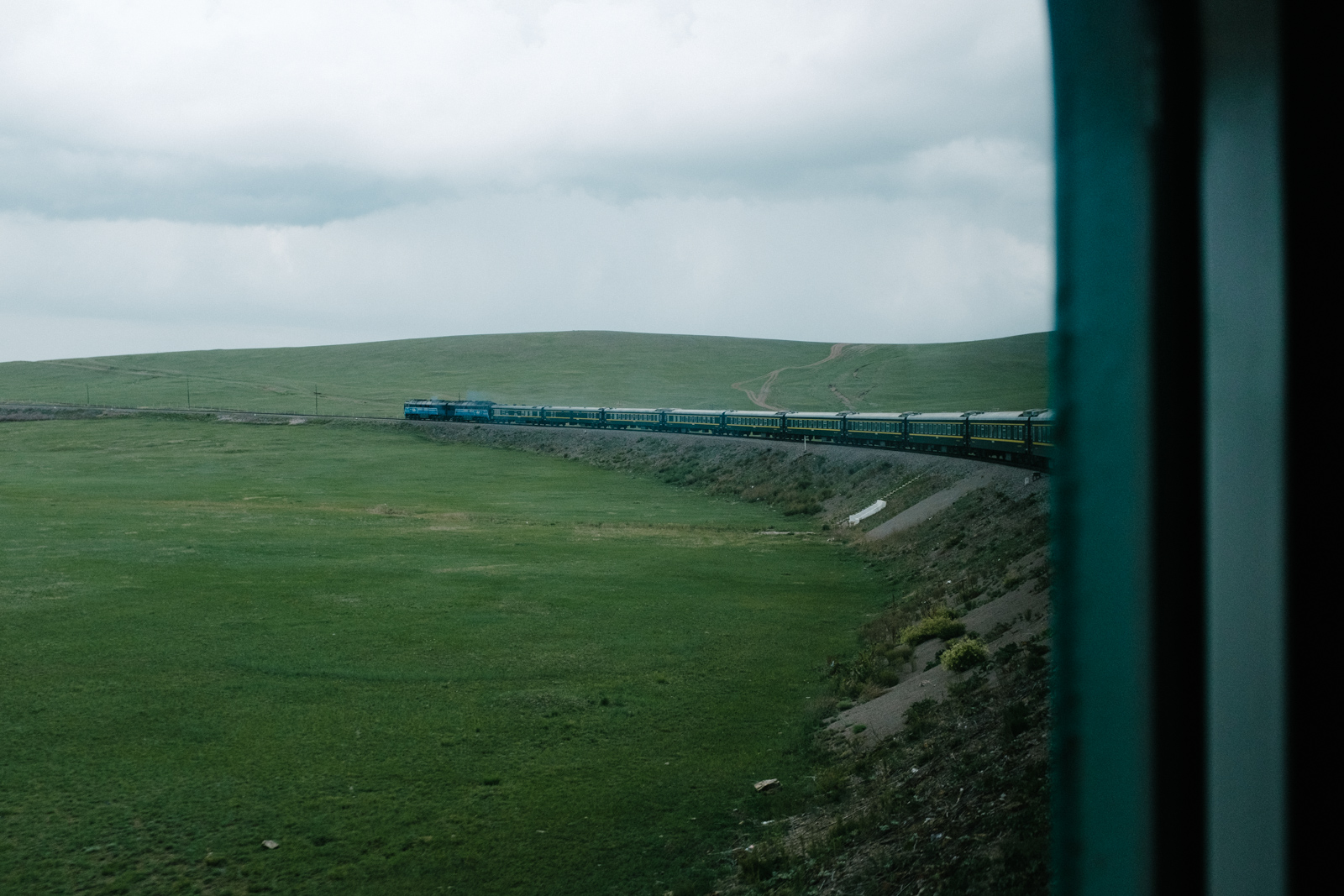
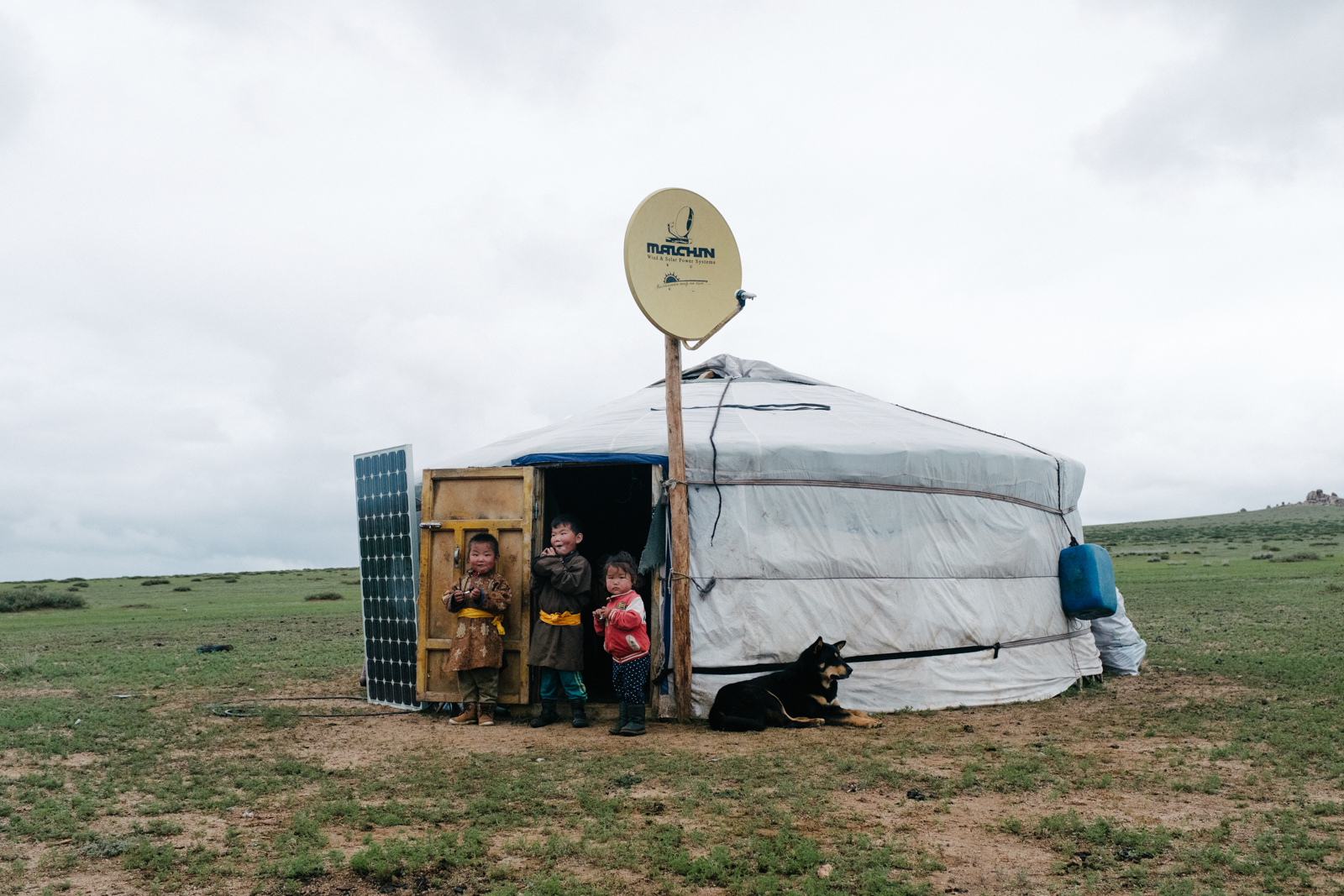
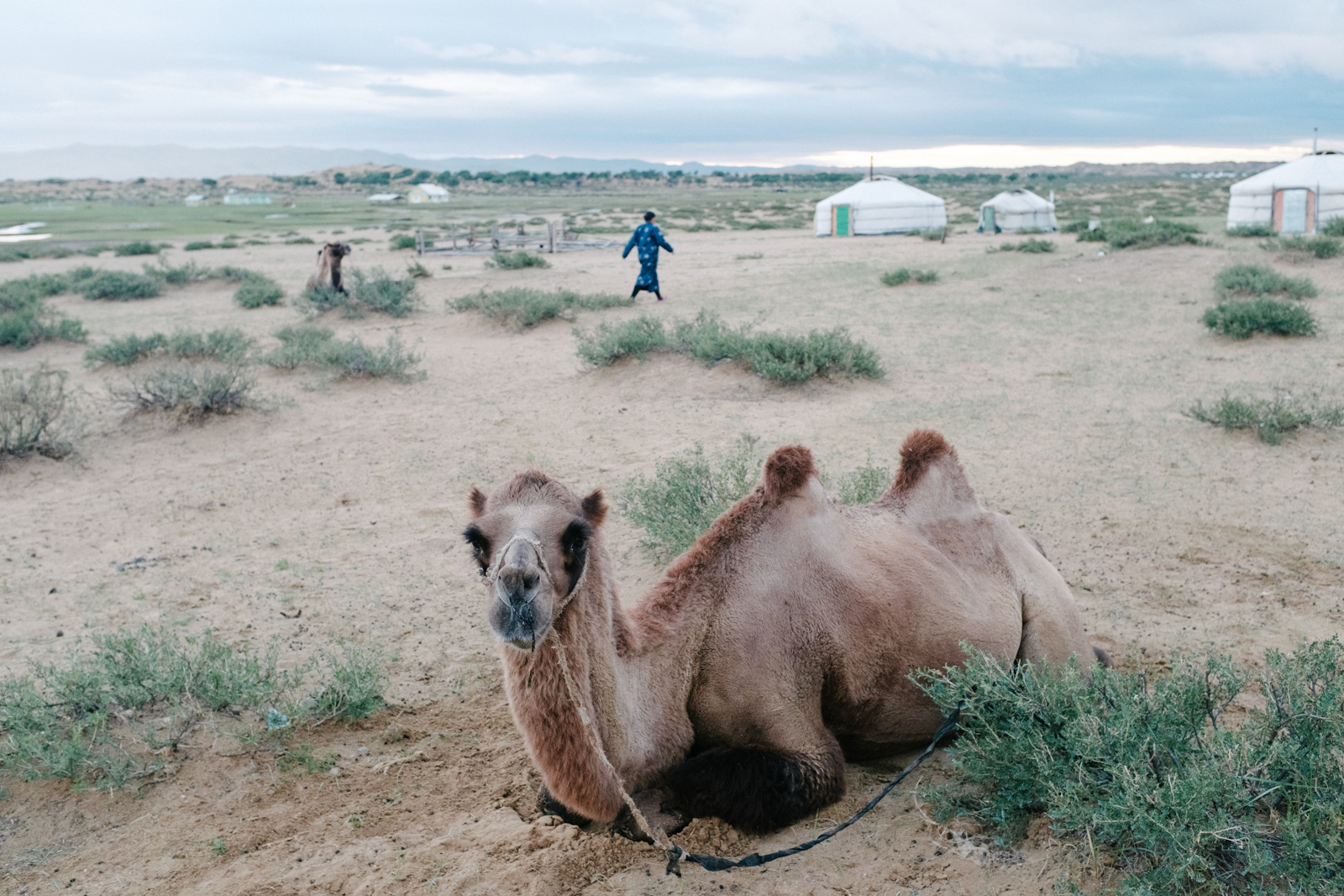
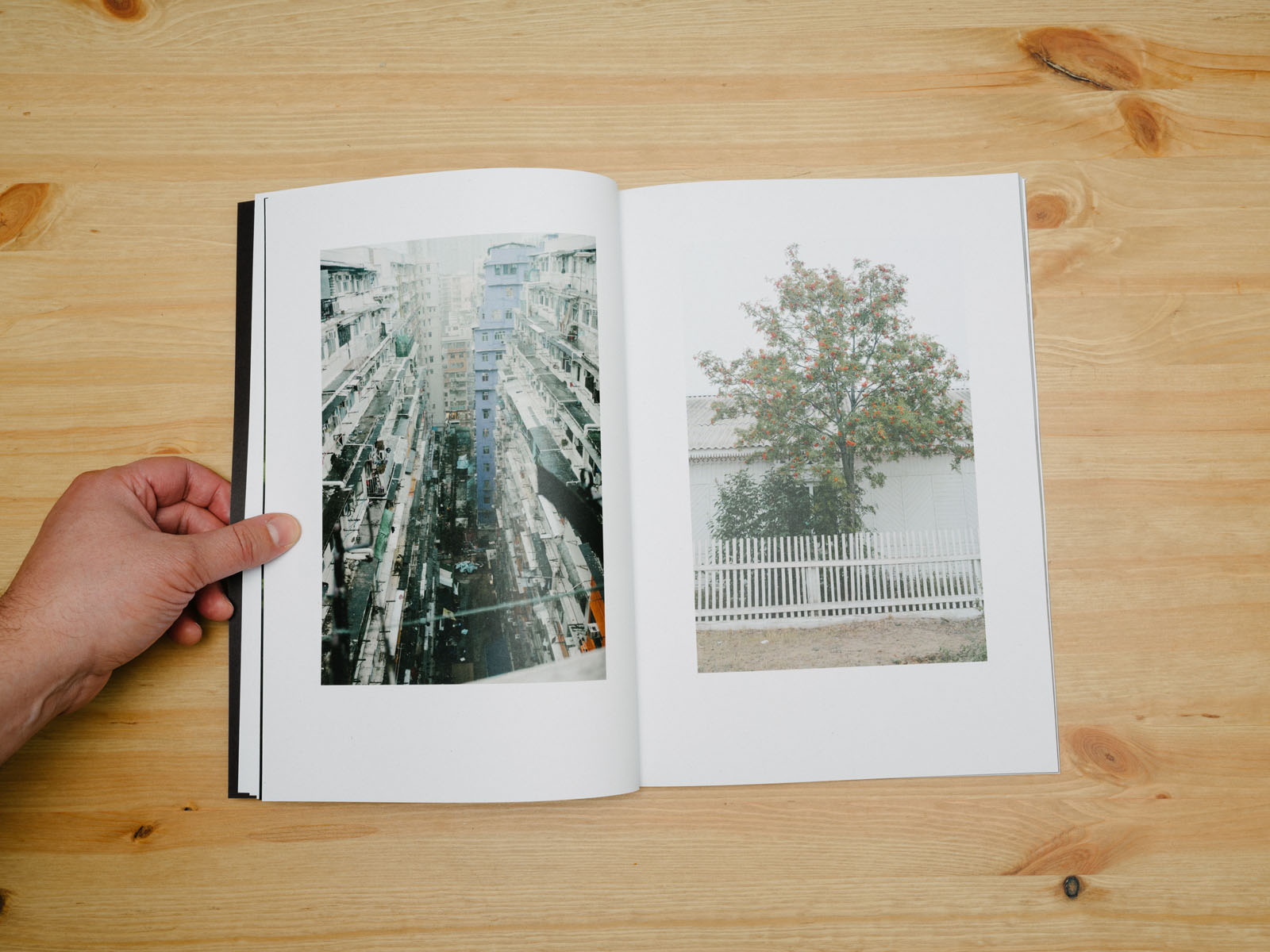
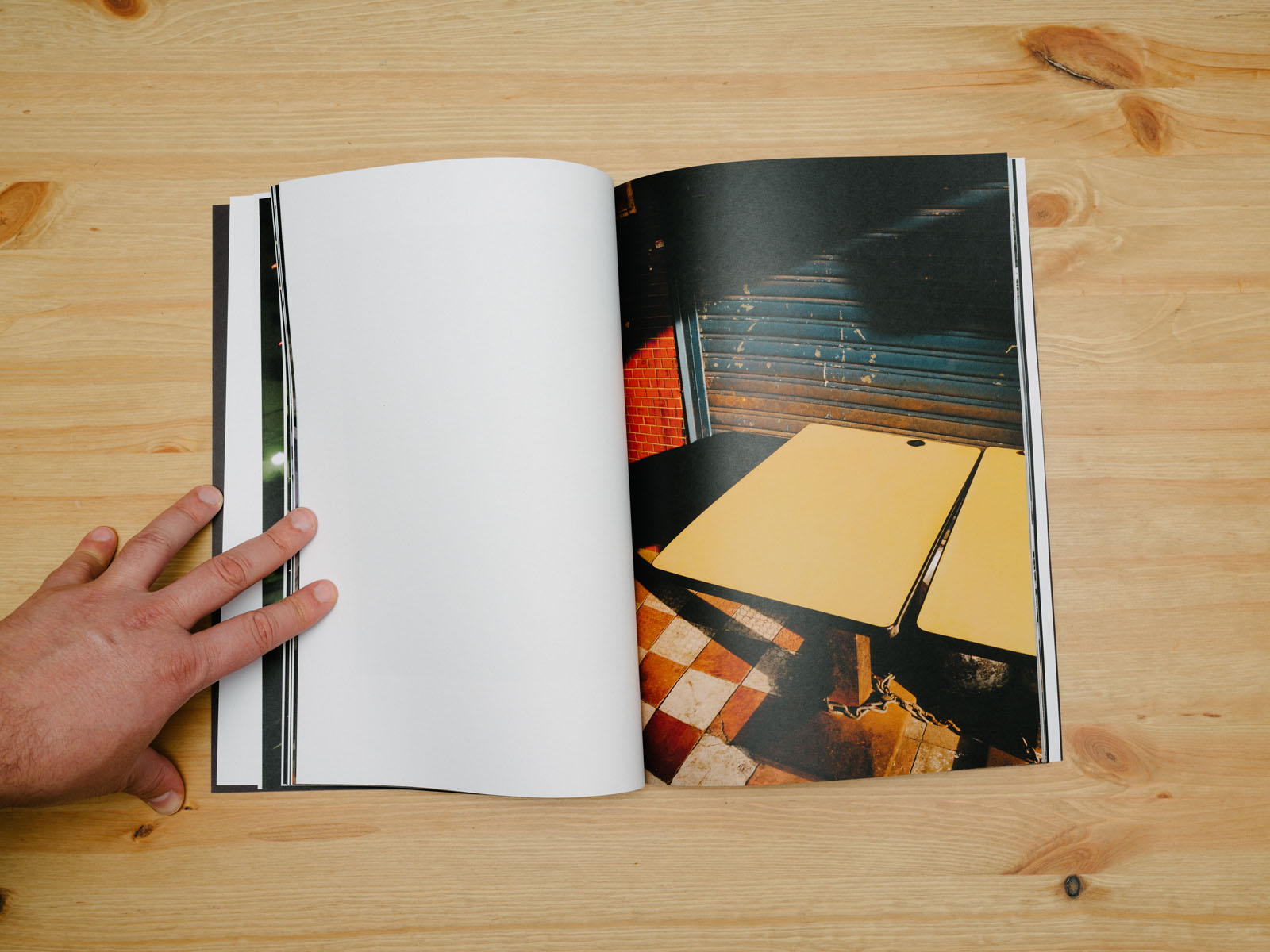
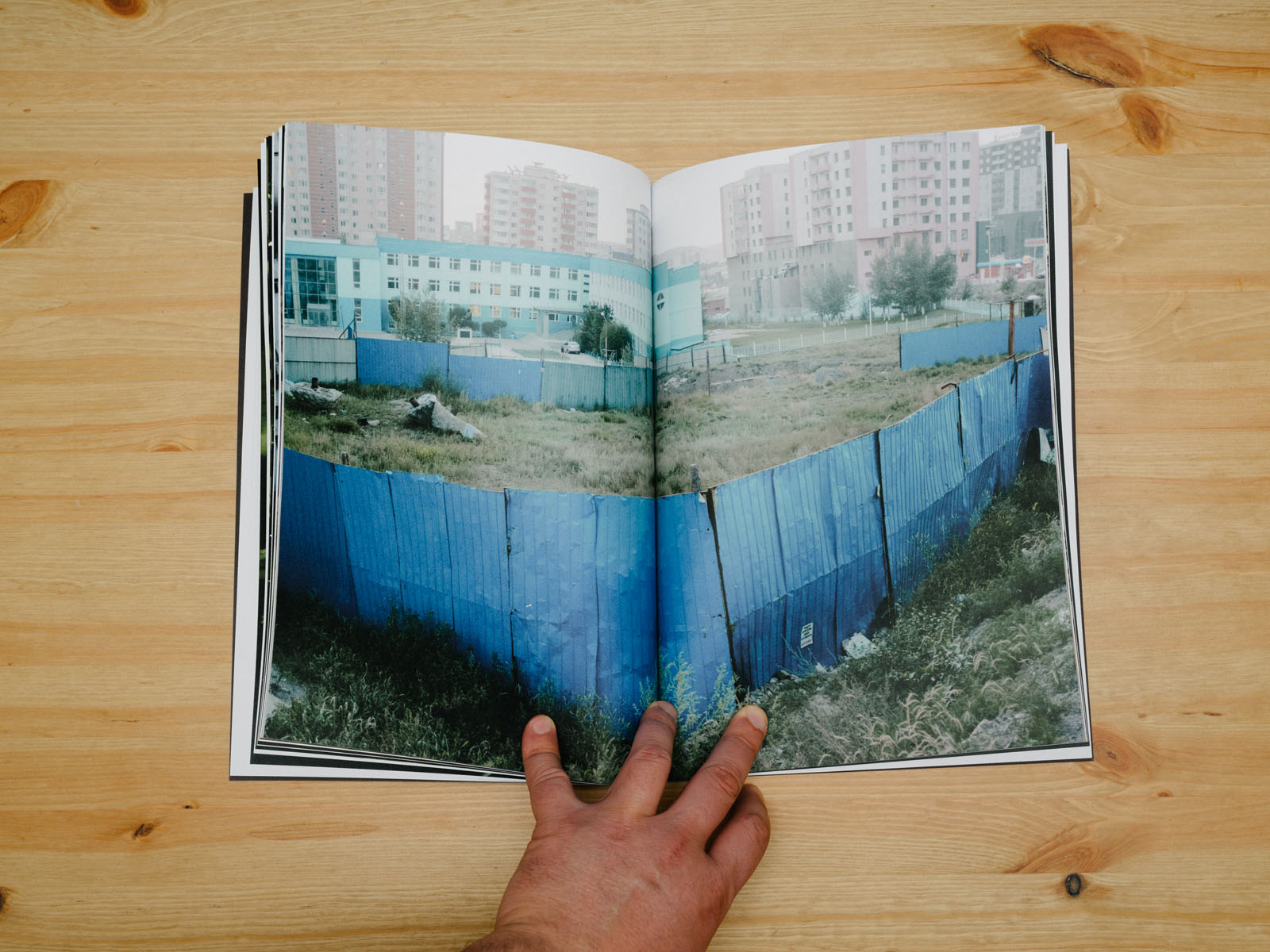
Living on the other side of the planet from one’s family means that life is punctuated by long distance air travel, creating two home areas separated by what is in essence a long time spent in a seat, high up in the sky. The vast spaces in between the home areas become a blur: clouds, fields, mountain ranges, and forests, lost in a haze far below.
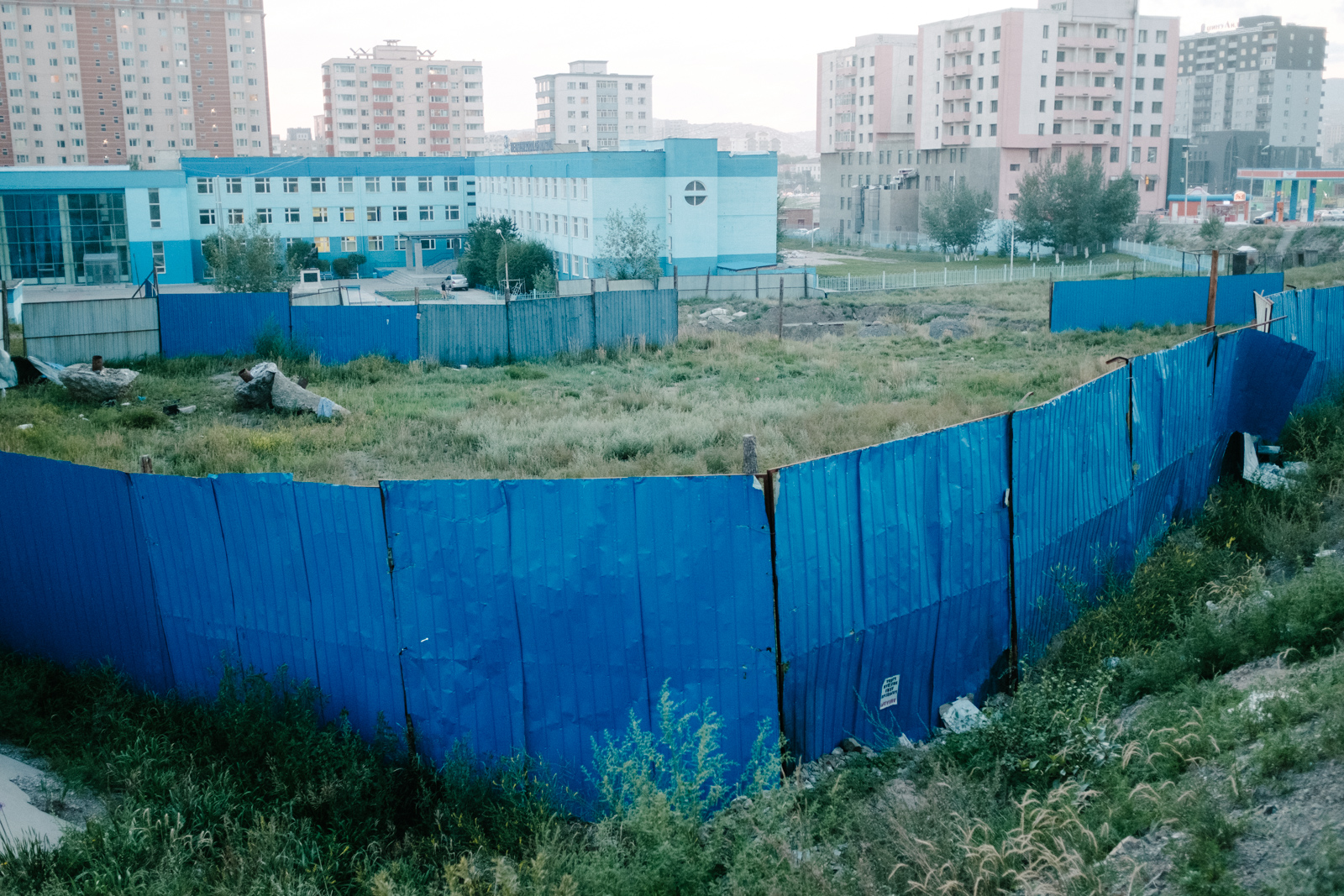
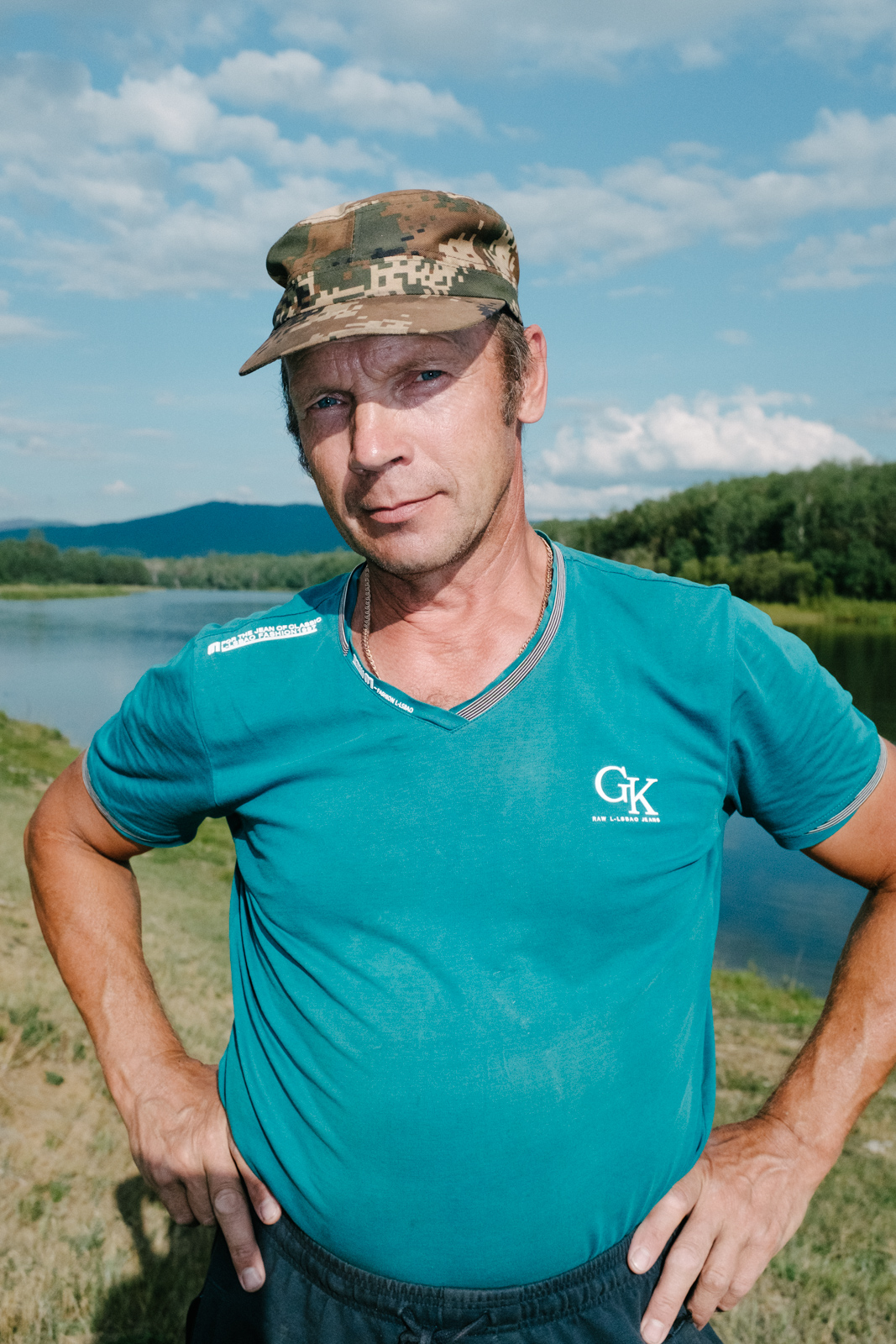
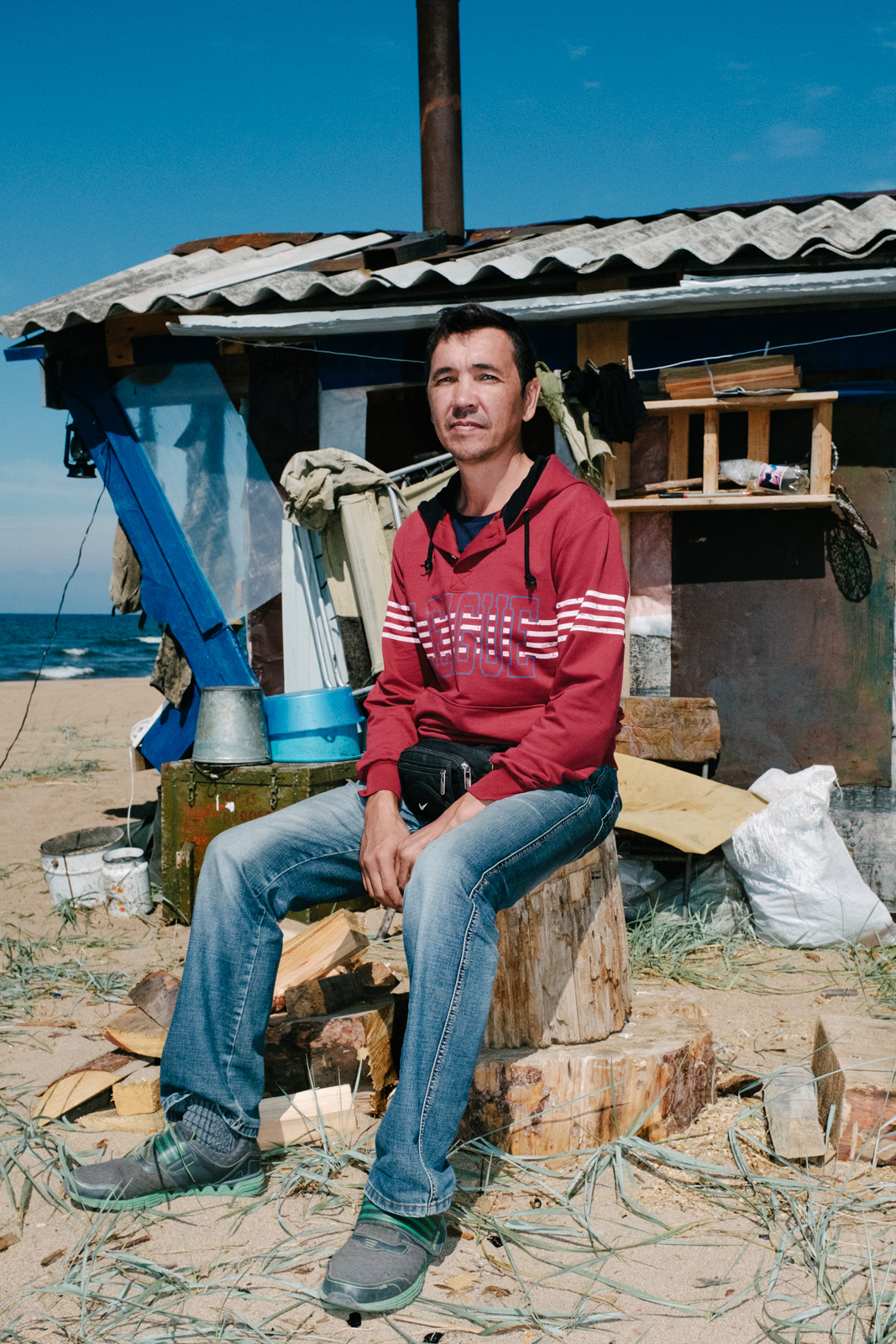
When the time came to return to Europe after six years spent in Japan, I wanted to stay as close to the planet’s surface as possible. Thus, a twelve-hour journey became one of almost two months.
Self-published zine
76 pages, 50 photographs
A4 format, perfect bound
Sold out.
Self-published zine
76 pages, 50 photographs
A4 format, perfect bound
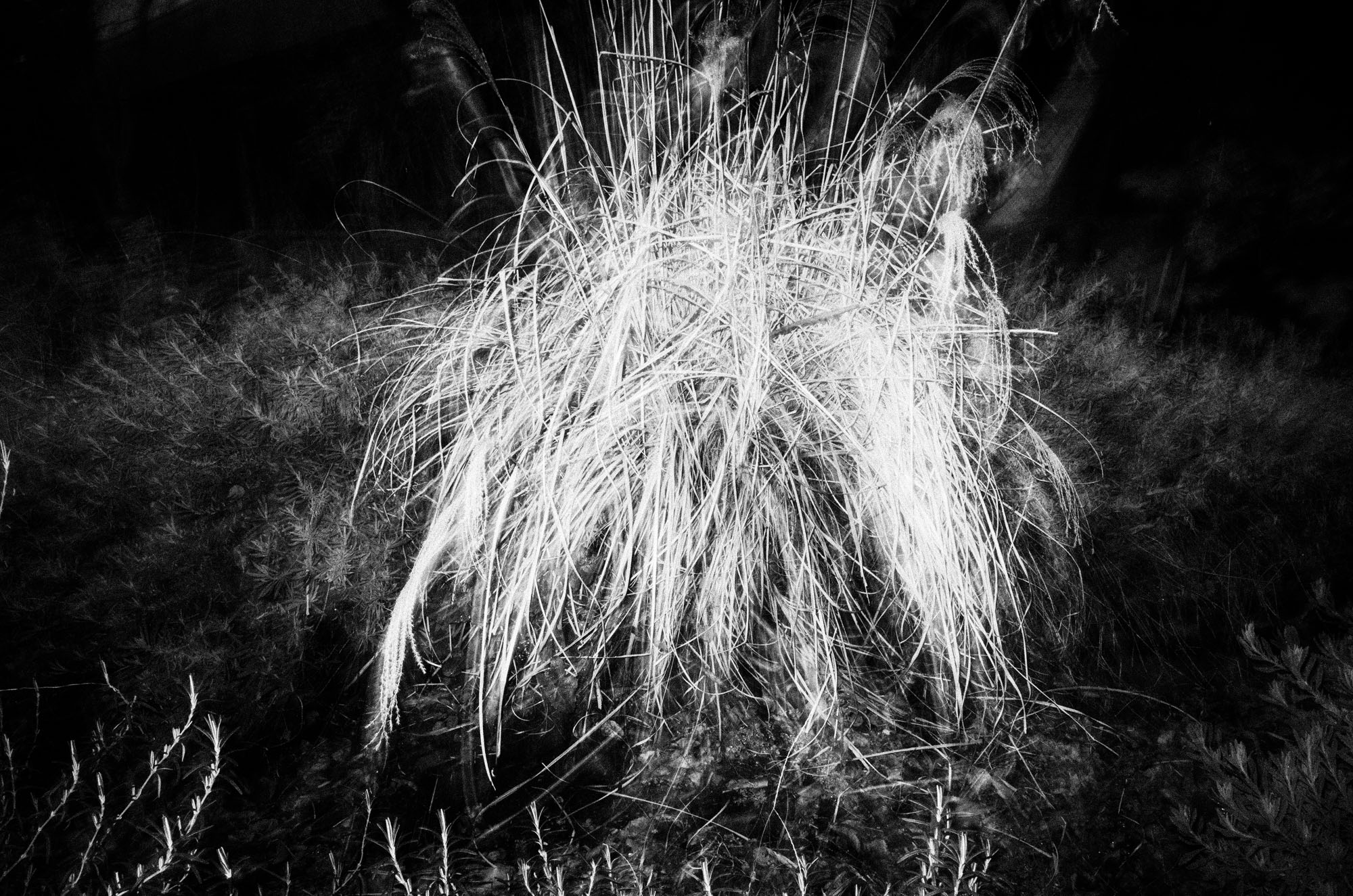
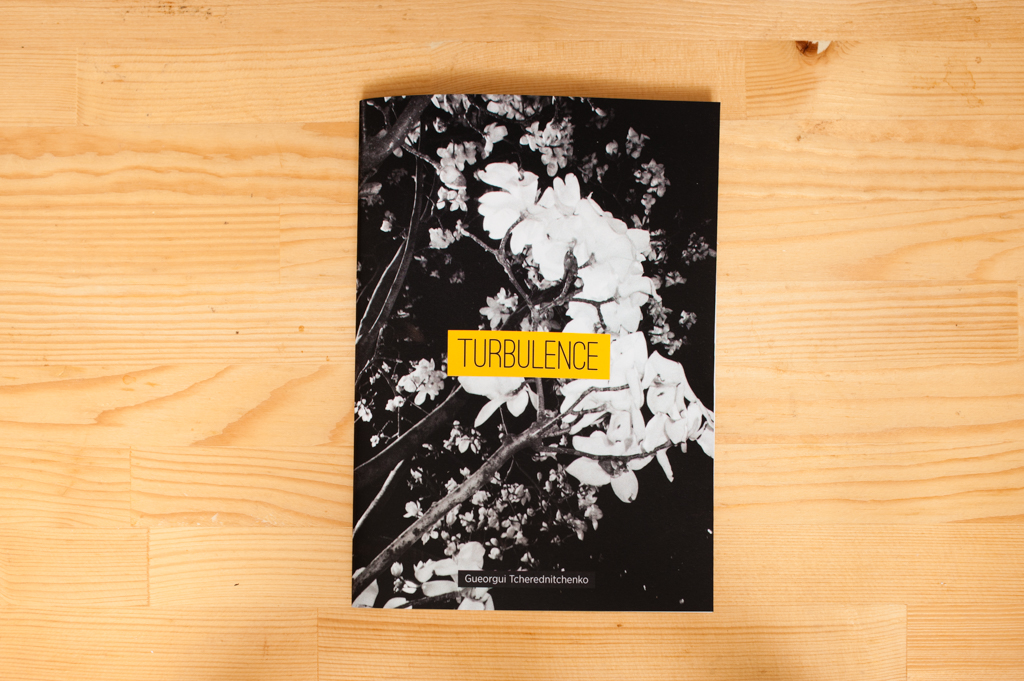
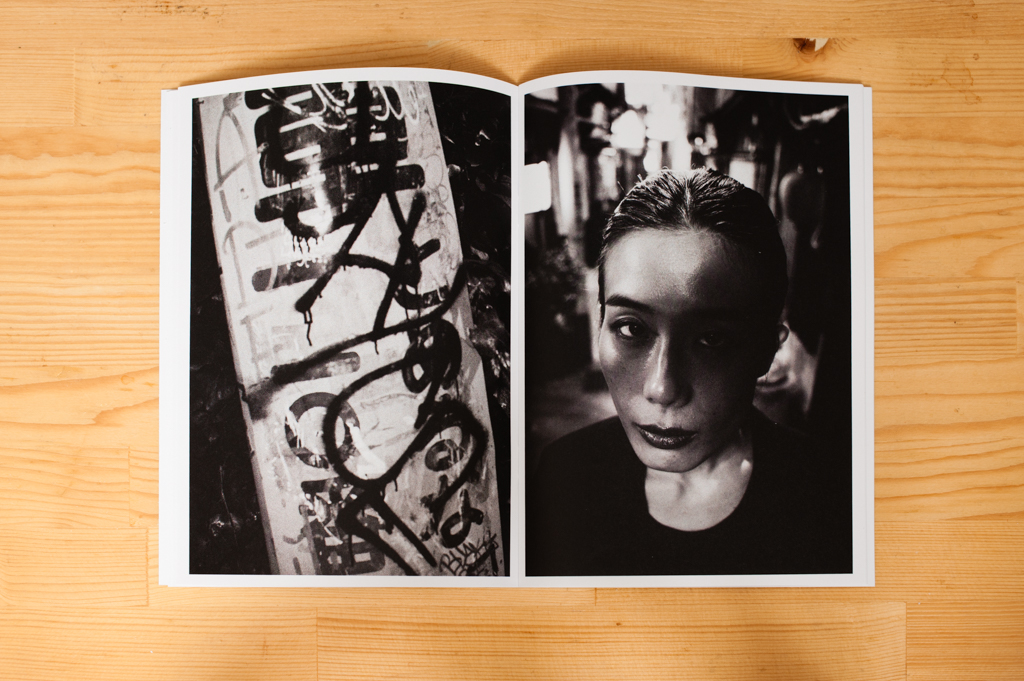
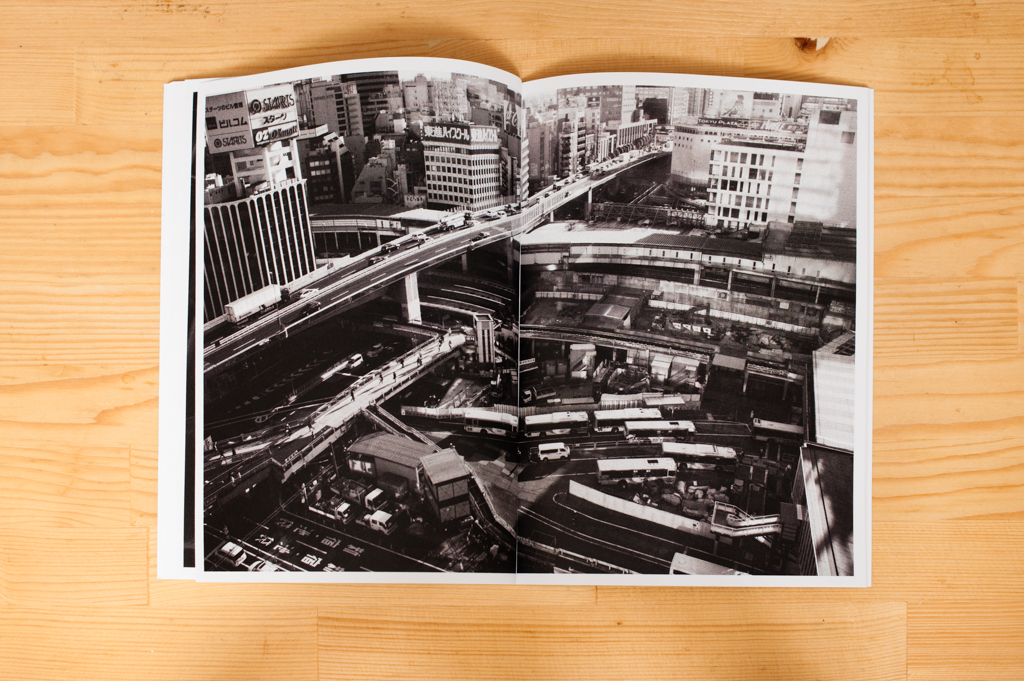
My first zine, containing work from 2015-2016. An intensely personal documentary of changes both private and public, set in Tokyo, Japan.
44 pages of black and white photographs, taken in 2015 and 2016.
Uncoated recycled paper, soft-cover, wire-stitched.
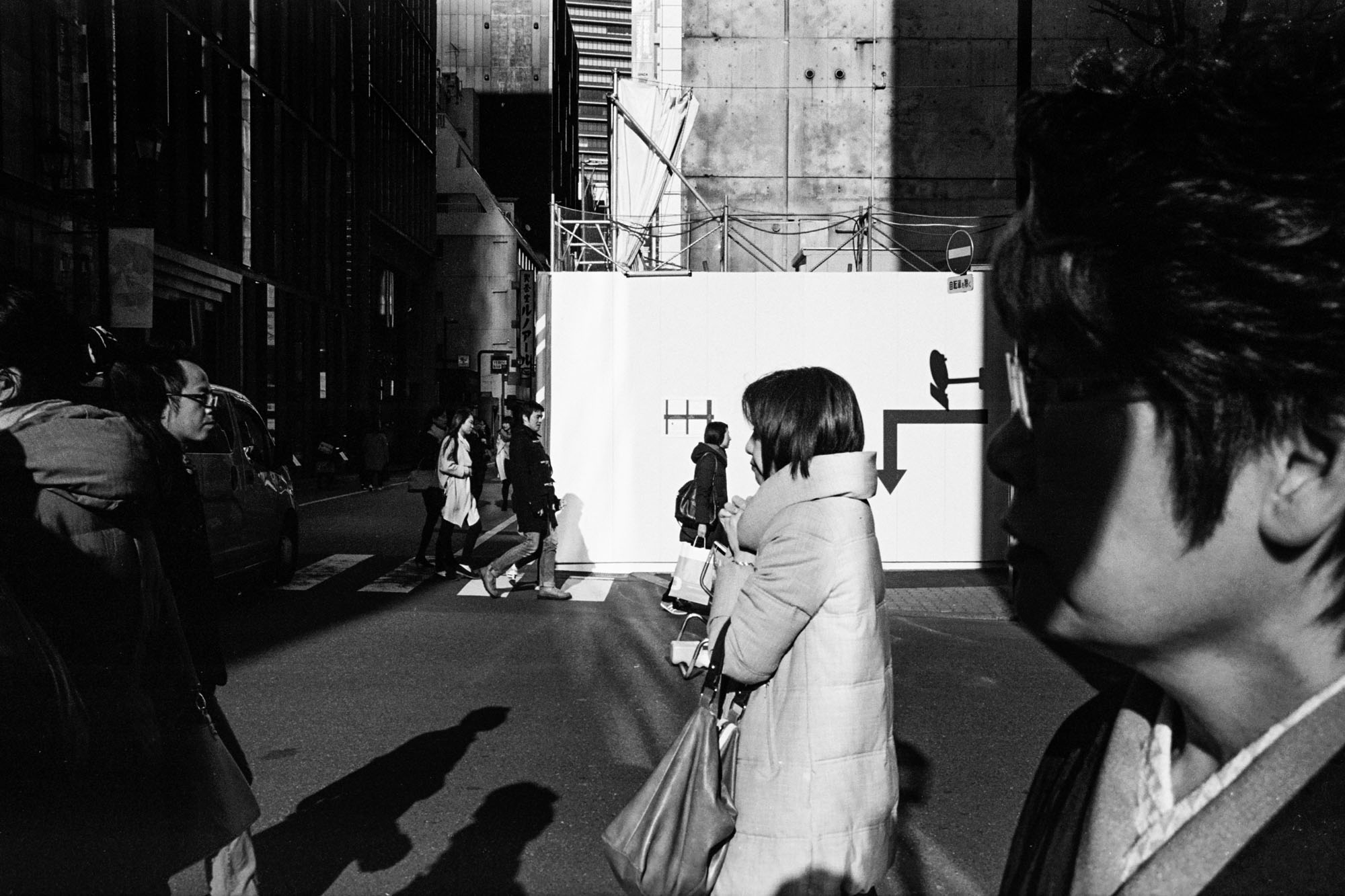
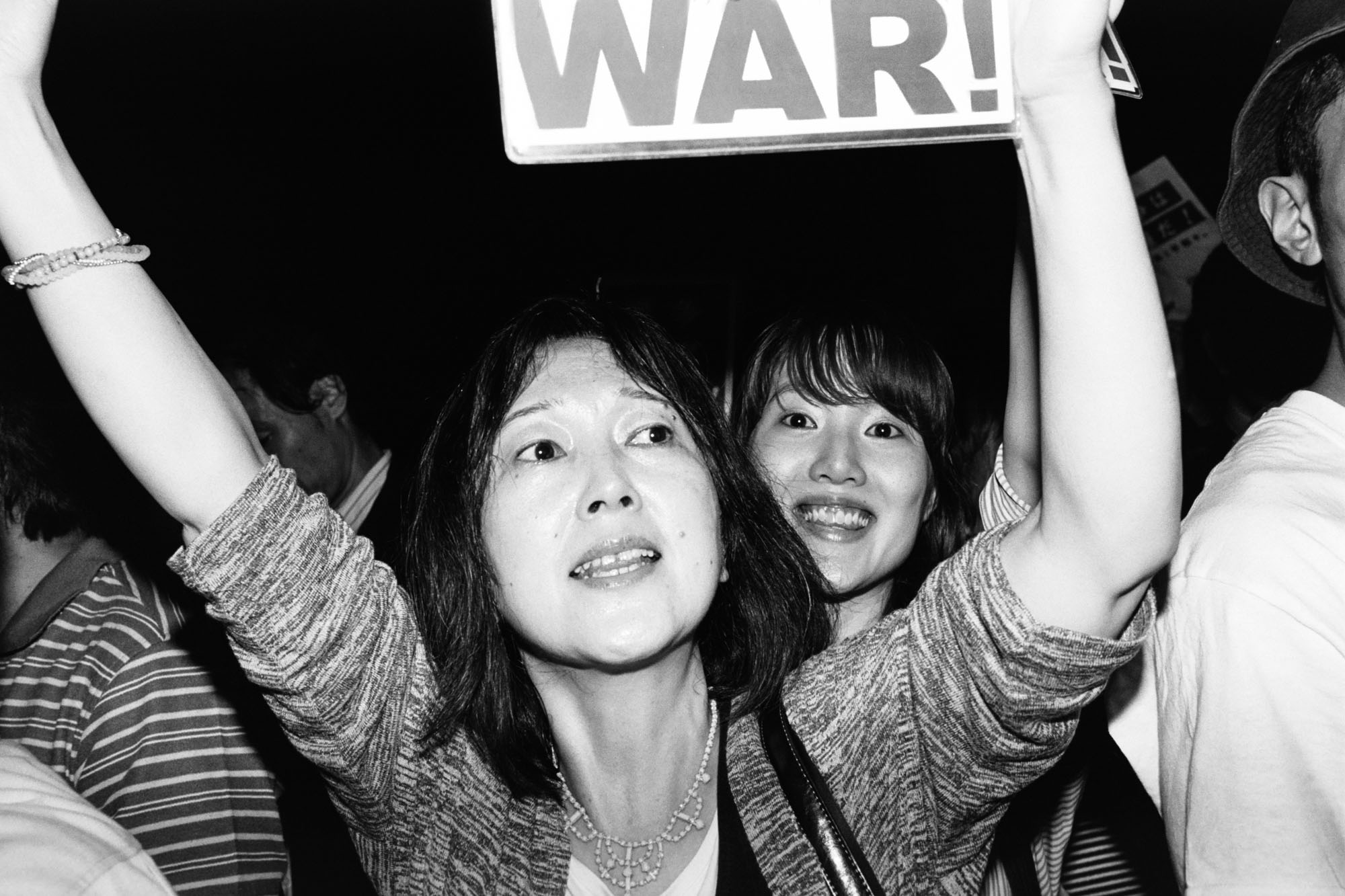
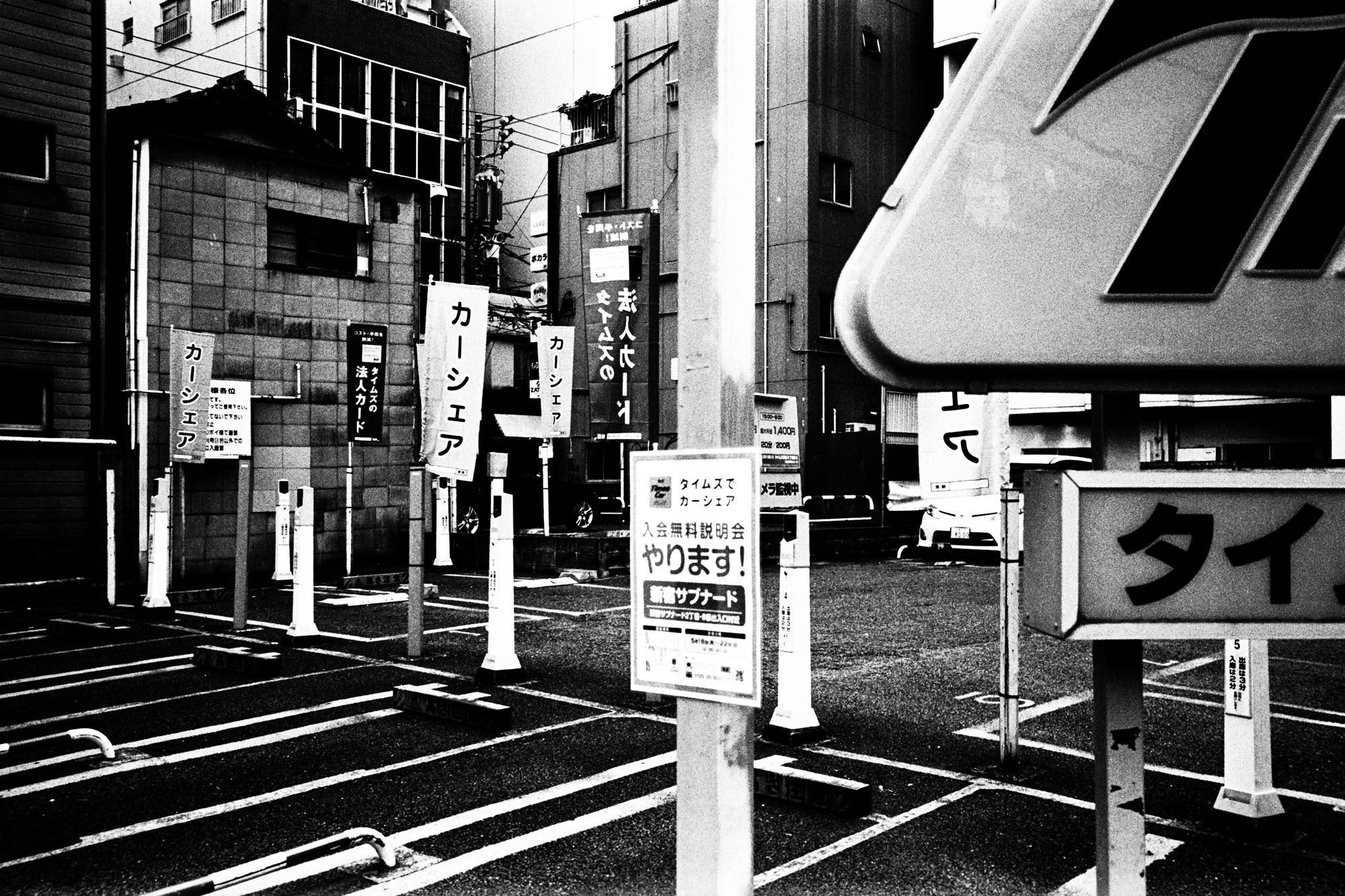
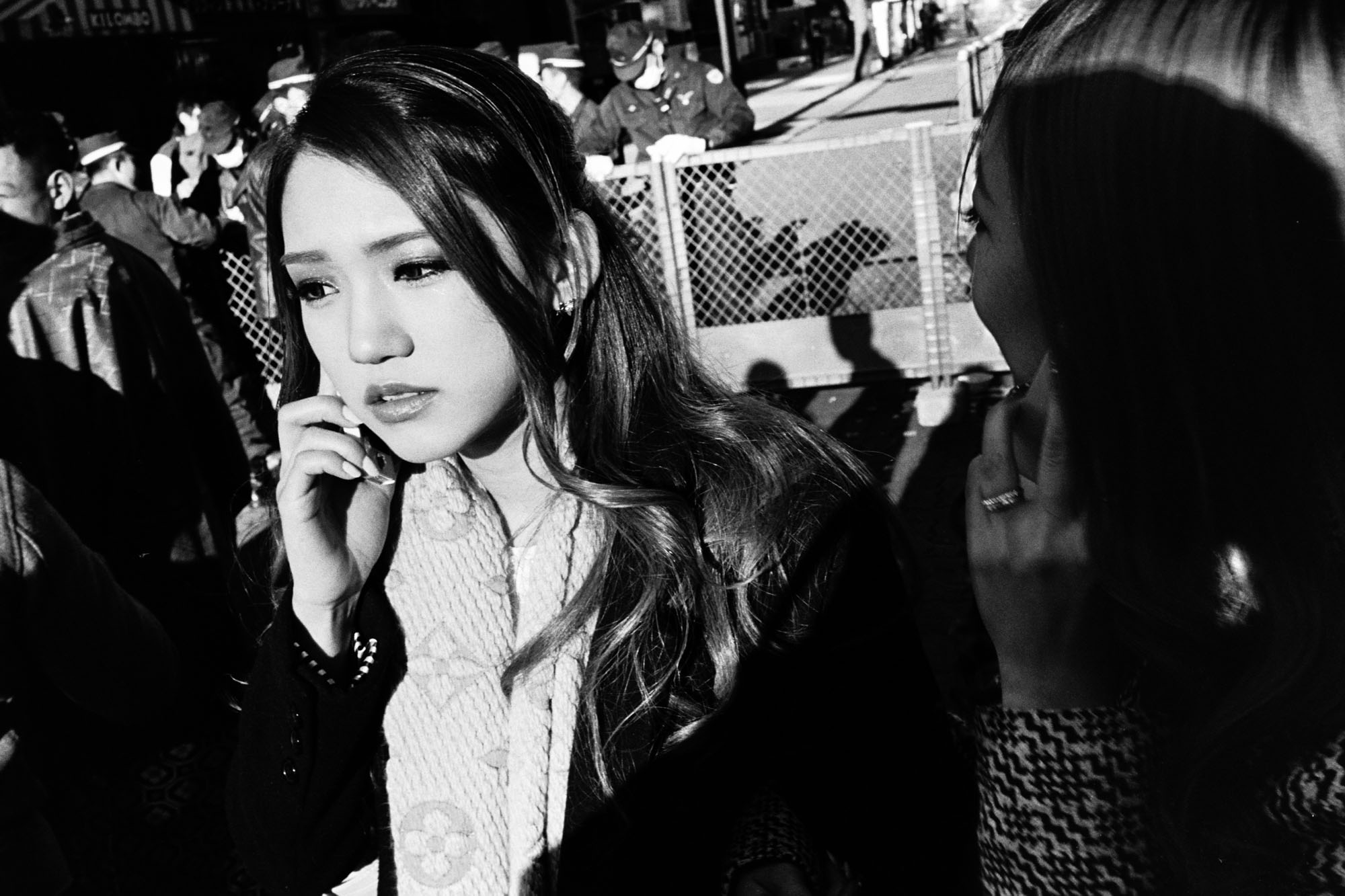
Edition of 100, self-published. Sold out.